Home Blog Page 8

LOT parent plans dedicated cargo airline under new growth strategy

0
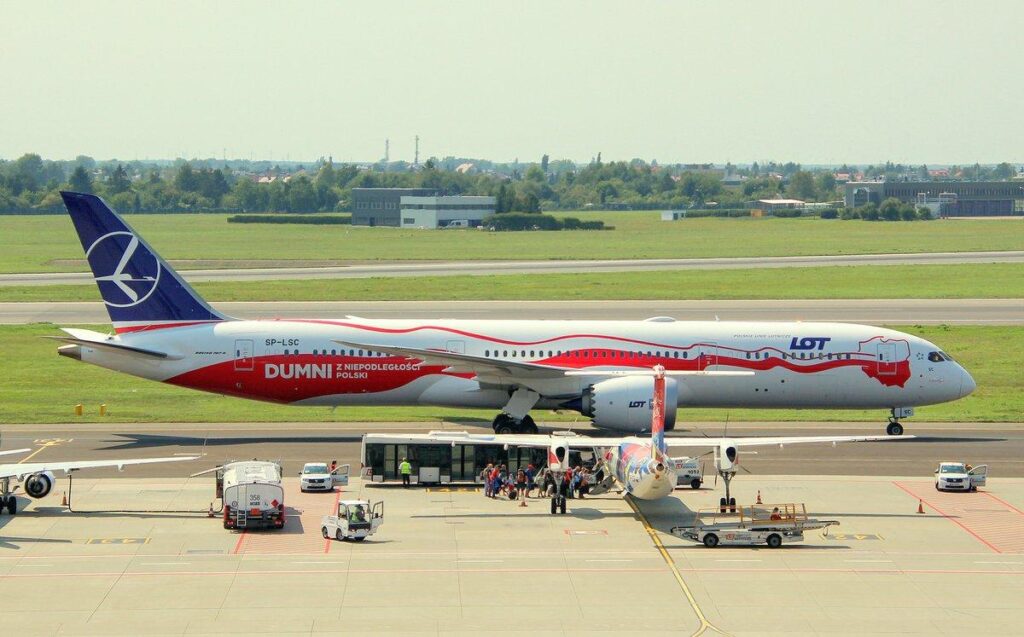
LOT Polish Airlines Boeing 787 at Warsaw Chopin Airport. The airline’s parent, PGL, plans to establish a dedicated cargo operation. File photograph.
Credit: Andrzej Otrebski / Wikimedia Commons / CC BY-SA 4.0.

Polska Grupa Lotnicza (PGL), the aviation group behind LOT Polish Airlines, plans to establish a dedicated cargo carrier as part of its 2026–2032 strategy. The group’s published roadmap identifies a “PGL Cargo” business segment and makes the development of profitable all-cargo services a strategic priority.

The project envisages a dedicated freighter fleet, supported by cargo-terminal development through ground-handling subsidiary LS Airport Services. PGL also links the initiative to LOTAMS’ development of a maintenance base for widebody passenger and cargo aircraft at Rzeszów-Jasionka. The group says these investments would strengthen Poland’s position in Central and Eastern European logistics and reduce dependence on foreign providers.

According to Polish reporting citing PGL chief executive Radoslaw Stepien, the proposed airline would combine commercial freight operations with a strategic transport role during emergencies. Its aircraft could support the movement of essential supplies, equipment or humanitarian aid during crises.

The plans mark a move into dedicated freighter operations alongside LOT’s existing passenger-aircraft cargo business. However, the sources reviewed do not specify aircraft types, fleet size, routes, an operating base or a firm launch date. Stepien has indicated that operations could begin sooner than the market expects, without announcing a timetable.

The cargo initiative forms part of a broader programme to integrate PGL’s maintenance, handling, training and financing activities, while preparing for the future Port Polska airport project. It remains a planned operation rather than an airline already in service.

Sources: pgl.pl, superbiz.se.pl, dlapilota.pl
airBaltic aircraft lands safely at Brussels Airport following technical emergency

0

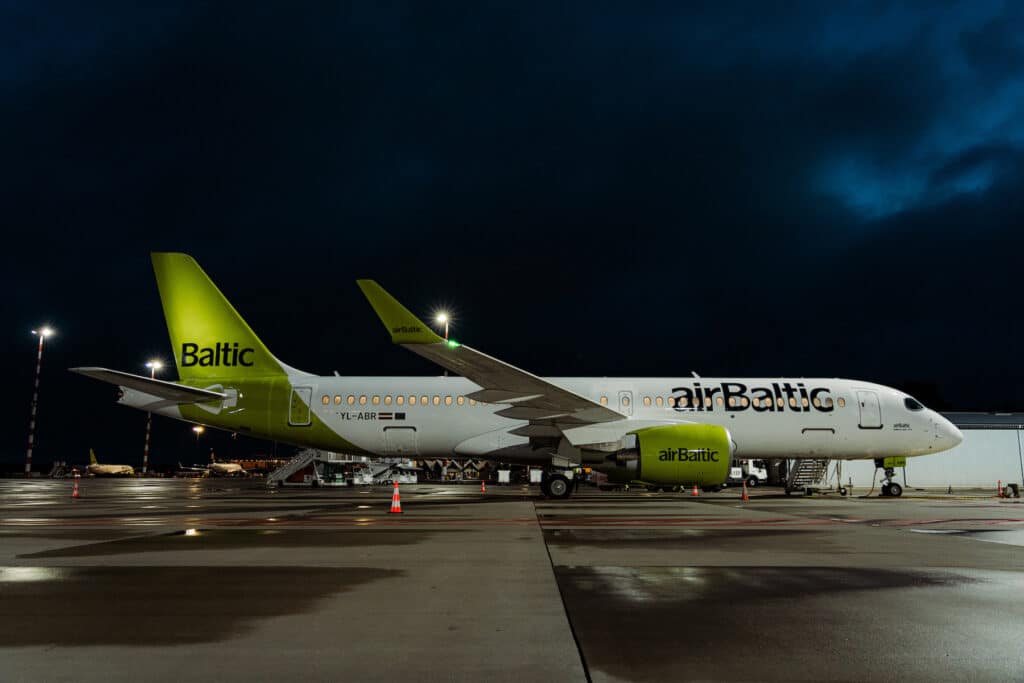
An airBaltic A220-300 aircraft registered YL-ABS arriving from Berlin as flight SN2590 on behalf of Brussels Airlines made an emergency landing at Brussels Airport on Wednesday evening, 14 October, following a technical problem. The aircraft landed safely, and no injuries were reported, an airport spokesperson confirmed to Belga. 

The incident was first reported at around 22:00 local time. Brussels was the aircraft’s intended destination, so the flight did not divert to another airport.

The nature of the technical problem remains unclear. The pilots never squawked an emergency code. The available report does not specify the number of people onboard.

Norwegian expands UK–Oslo flights to support Norway’s ski tourism push

0

Norwegian Air Shuttle is increasing winter capacity between the UK and Oslo as part of a joint campaign to attract more British skiers to Norway. Manchester services will rise from two to five weekly departures, including a Sunday flight aimed specifically at ski holidaymakers, while London and Edinburgh will also receive additional flights compared with last winter.

The airline has partnered with Norway Home of Skiing, resort operator Alpinco and airport operator Avinor, with support from UK specialists Ski Safari, Ski Solutions and Crystal Ski. The campaign will combine digital advertising, consumer events and tour operator promotions, positioning Norway as an alternative to the Alps.

Norway Home of Skiing aims to increase British guest-nights from 150,000 to 200,000 in winter 2026/27, a rise of around one-third. The partners are promoting snow reliability, quieter slopes and the Scandinavian winter experience.

Norwegian chief commercial officer Magnus Thome Maursund said the additional capacity would support inbound ski tourism while contributing to a longer-term effort to increase Norway’s share of the UK ski market. The partnership’s ambition extends over five to ten years.

Brussels Airport adds four destinations to winter network of 136 routes

0

Brussels Airport will offer 136 direct destinations during its winter season starting on 25 October, including four new additions: Santiago de Compostela, Nantes, Kemi-Tornio and Evenes. The airport also expects more than 1.7 million passengers during the autumn holiday period.

New airline Fly2Galicia will serve Santiago de Compostela twice weekly from 1 December, while easyJet launches twice-weekly Nantes flights on 26 October. Brussels Airlines will add Kemi-Tornio in Finland twice weekly from 25 December and Evenes in Norway weekly from 6 February 2027.

Several carriers are expanding existing connections. Transavia will introduce flights to Las Palmas three times weekly from 28 October, Reykjavik twice weekly from 30 October and Porto three times weekly from 14 December. Brussels Airlines and Finnair will also serve Kittilä this winter, while Etihad increases Abu Dhabi services from seven to 11 weekly flights from 15 December. The airport’s intercontinental network will comprise 40 non-stop destinations.

For the autumn holidays, Friday 16 October is expected to be the busiest day, with approximately 82,000 passengers. The different holiday schedules in French- and Dutch-speaking education complicate comparisons with 2025.
Passengers are advised to arrive two hours before Schengen departures and three hours before non-Schengen flights.

ITA Airways to launch Rome–Caracas flights in March 2027

0

ITA Airways will launch a direct service between Rome Fiumicino and Caracas on 30 March 2027, operating three times weekly on Tuesdays, Thursdays and Sundays with an Airbus A330-900.

The announcement follows cooperation with the relevant authorities and diplomatic representatives, including Venezuela’s embassy in Italy. ITA chief executive Joerg Eberhart and Venezuelan ambassador María Elena Uzzo Giannattasio signed a Memorandum of Understanding supporting the new connection.

The airline says the route will strengthen tourism, trade and business links while serving Venezuela’s large Italian and Italian-descendant community. Passengers will also be able to connect through Rome Fiumicino to destinations across ITA Airways’ domestic and international network.

JAL orders up to 26 Embraer E190-E2s to renew J-Air’s regional fleet

1

Japan Airlines has ordered up to 26 Embraer E190-E2 aircraft for its regional subsidiary J-Air, comprising 16 firm orders and ten options. Deliveries are scheduled to begin in fiscal year 2029, replacing first-generation E170 and E190 jets. 

Based at Osaka Itami Airport, J-Air operates domestic connections across Japan. JAL positions the investment as part of its Vision 2035 strategy to preserve regional connectivity while adapting to changing demand and rising operating costs.

The group says its domestic business faces several structural pressures, including reduced business-travel demand, Japan’s declining population and higher costs associated with inflation and the weaker yen. It considers the E190-E2 central to maintaining an economically sustainable regional network and supporting local communities.

The E190-E2 introduces newer engines and a redesigned wing compared with the first-generation aircraft. JAL expects improved fuel efficiency, lower CO? emissions and reduced noise, alongside lower maintenance costs. Chief executive Mitsuko Tottori said the aircraft would help sustain the domestic network as essential infrastructure for Japan’s economy and communities.

The selection further strengthens Embraer’s position in Japan following ANA Holdings’ expansion of its own E190-E2 commitment. In September, Embraer announced an agreement for eight additional aircraft, taking ANA’s firm orders to 23, with five further options retained. Together, the two Japanese groups now account for 39 firm E190-E2 orders.

Source: embraer.com, ????????????????,

Air Tahiti receives 26-seat all-business ATR 72-600 for premium island services

0

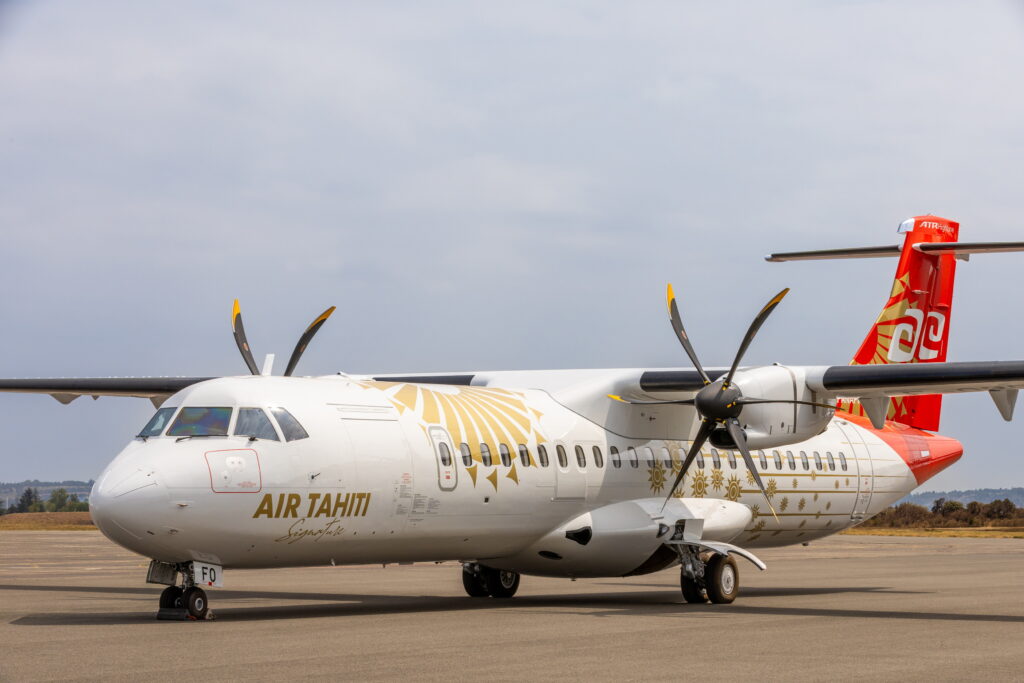
Air Tahiti has taken delivery of an ATR 72-600 fitted with a HighLine All-Business Class cabin, becoming the second airline to introduce the configuration after Berjaya Air. The aircraft is scheduled to enter commercial service in December 2026.

The turboprop will support the launch of Air Tahiti Signature, a premium service linking Tahiti with destinations including Bora Bora and Raiatea-Tahaa. It will operate both scheduled flights and charters.

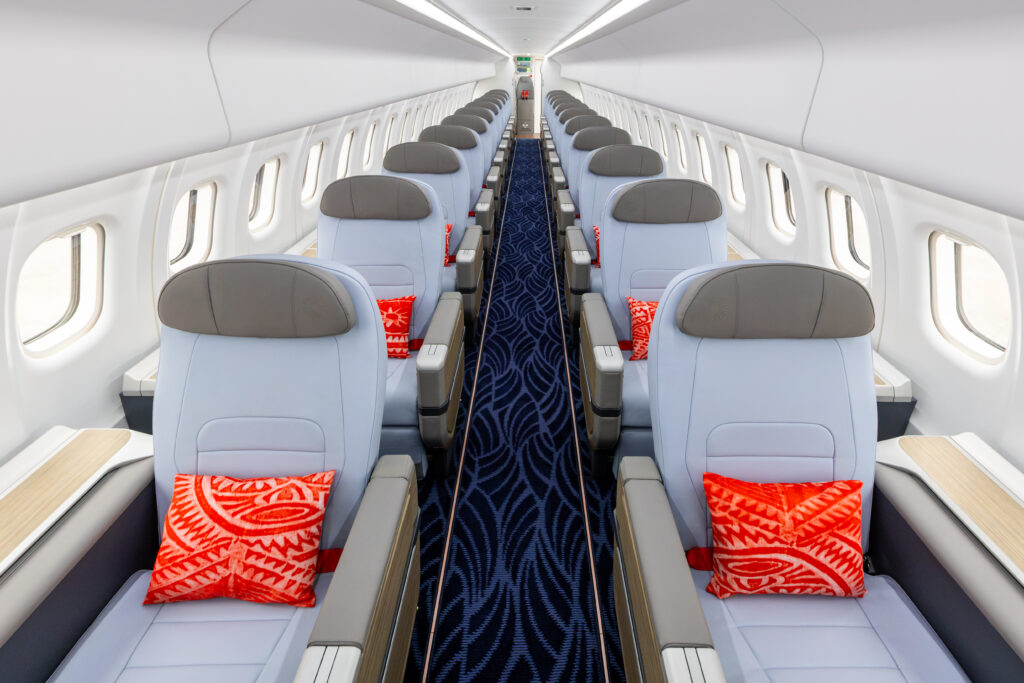
The cabin features 26 individual seats in a 1–1 layout, giving every passenger direct aisle access, alongside additional personal space, dedicated storage and USB-A and USB-C charging ports. Its interior incorporates Polynesian-inspired design elements, complemented by dedicated ground services and an upgraded onboard offering.

The delivery forms part of Air Tahiti’s fleet renewal programme and extends its partnership with ATR, which spans nearly four decades.

Liège Airport passes one million tonnes as exports offset parcel-tax impact

0

Liège Airport handled more than one million tonnes of cargo in the first nine months of 2026, with strong export growth helping offset a sharp decline in small-parcel volumes following the introduction of a €3 import tax.

January–September freight throughput reached 1,032,283 tonnes, up 7.3% year on year. Exports rose 18.5% to 453,265 tonnes, while aircraft movements remained broadly stable at 21,180, compared with 21,153 a year earlier.

Third-quarter cargo volumes were virtually unchanged at 334,467 tonnes, against 334,950 tonnes in 2025. Aircraft movements, however, fell 6% to 6,826.

The airport attributed the reduction in flights mainly to the tax introduced on 1 July for imported parcels valued below €150. It said small-parcel volumes had fallen 42% since its introduction, reducing flights dedicated to that e-commerce segment.

Chief executive Laurent Jossart said the nine-month results demonstrated the resilience and diversification of the cargo hub, despite the immediate impact of the new tax regime.

Air Canada to launch Montréal–Seville flights with A321XLR in September 2027

1

Air Canada will launch seasonal non-stop flights between Montréal and Seville on 8 September 2027, adding its fifth Spanish destination. According to the airline, the route will be Seville’s only non-stop connection with North America.

Services will initially operate three times weekly, increasing to four weekly flights from 1 October. Air Canada will deploy Airbus A321XLR aircraft configured with 14 Signature Class lie-flat seats and 168 Economy seats.

Flights are scheduled to operate until early January 2028, then resume from mid-February until early June. Departures from Montréal will be at 20:30, arriving in Seville at 09:30 the following morning. Return flights will leave Seville at 12:45 and reach Montréal at 14:40, with all times local.

The schedule will support connections through Montréal to destinations across North America, the Caribbean and Latin America. Passengers continuing to the United States can use US customs preclearance at Montréal.

The addition follows Air Canada’s expansion to Palma de Mallorca and Tenerife and forms part of its wider network growth from Montréal, including announced summer 2027 services to Basel-Mulhouse and Dubrovnik. Bookings for Seville are now open.

LOT and Thai Airways plan codeshare partnership for summer 2027

0

LOT Polish Airlines and Thai Airways have signed a Memorandum of Understanding to establish codeshare cooperation covering selected destinations in Europe, Asia and Oceania. The partnership is expected to launch at the start of the 2027 summer season, subject to regulatory approval.

The signing coincided with the inauguration of LOT’s Warsaw–Bangkok route. The airlines intend to combine their networks to expand onward travel options through Bangkok and Warsaw, supporting tourism and business travel between Europe and the Asia-Pacific region.

The planned codeshare will build on an existing interline agreement, which already allows passengers to combine flights operated by both carriers within a single journey. Selected services would also be marketed under the partner airline’s flight code, making connections easier to find and book.

Both airlines are Star Alliance members, with eligible passengers already benefiting from mileage earning and applicable status privileges. The next steps include signing a definitive codeshare agreement and completing technical and operational preparations.

Portugal selects Lufthansa for TAP stake sale, with further privatisation possible by 2028

0

Portugal’s government has selected Lufthansa Group as the preferred buyer in TAP Air Portugal’s partial privatisation, ahead of Air France-KLM. The transaction remains subject to final negotiations and regulatory approvals.

The initial sale covers up to 49.9% of TAP’s capital, with 44.9% allocated to Lufthansa and up to 5% reserved for employees, leaving the Portuguese state with a majority stake. Prime Minister Luís Montenegro said Lufthansa’s financial proposal was 16% higher than the competing bid and involved less uncertainty.

The government put the first-phase proceeds at €1.201 billion. It is also considering transferring its remaining stake by 2028 in exchange for cash and shares in Lufthansa’s holding company. According to Montenegro, Lufthansa’s second-phase proposal includes an additional €488 million in cash and a share exchange that could make Portugal the group’s second-largest shareholder.

Lufthansa’s proposal preserves TAP’s brand, Portuguese headquarters and Lisbon hub, alongside island connectivity and commitments to employment stability. TAP would remain in Star Alliance and serve as the group’s platform for Brazil and other Portuguese-speaking markets. Porto would become a second base with eight long-haul aircraft.

The fleet plan envisages 117 aircraft by 2035 and 130 thereafter, including the transfer of eight Airbus A350-900s after 2030 and renewal of Portugália’s regional fleet. TAP’s Maintenance & Engineering business would join the Lufthansa Technik network, with the proposal also including €300 million of investment and 700 jobs in Santa Maria da Feira.

Other commitments include a pilot-training school at Tancos and an innovation centre in Aveiro. The government said adapting Tancos military airfield for civil use would require approximately €50 million of state funding, with Lufthansa indicating a 2029–2030 timeframe.

TAP welcomed the selection and highlighted potential future participation in the A++ North Atlantic joint venture. Air France-KLM said it was disappointed but would continue assessing opportunities to expand its presence in Portugal and South America.

Brussels Airport handles 2.36 million passengers in September as cargo volumes continue to grow

0

Brussels Airport welcomed 2,361,512 passengers in September 2026, an increase of 3.9% compared with the same month last year. Cargo traffic also continued to grow, with total volumes rising by 6.8% to 70,257 tonnes, according to the airport’s latest traffic figures. Over the first nine months of 2026, Brussels Airport handled more than 19 million passengers, up 3.2% compared with the same period in 2025. Cargo volumes increased by 8.1% year-on-year, reaching more than 627,000 tonnes between January and September.

Passenger traffic continues to grow

September remained a popular month for holidaymakers travelling outside the peak summer season. The airport’s passenger total rose by 3.9% year-on-year, continuing the positive trend recorded throughout the first three quarters of 2026.

The growth came despite operational disruptions earlier in the year, including national trade union action days in March and May and a spontaneous strike at Belgian air navigation service provider skeyes in June. On those days, only part of the scheduled flights could operate.

Transfer passengers accounted for 14% of departing passengers in September.

Spain was the most popular destination country, followed by Italy, Türkiye, Greece and Germany. Morocco, Portugal, France, the United States and Switzerland completed the top ten.

Cargo volumes rise by 6.8%

Brussels Airport handled 70,257 tonnes of cargo in September, representing a 6.8% increase compared with September 2025.

The increase was primarily driven by trucked cargo, which rose by 37.2%. Flown cargo volumes also recorded growth, increasing by 2.5%, supported by an 11.4% rise in cargo carried on passenger aircraft.

Meanwhile, the full-freighter segment declined by 1.1%, while integrator traffic recorded a marginal decrease of 0.2%.

The positive trend was also reflected in the year-to-date figures. Between 1 January and 30 September, total cargo volumes reached more than 627,000 tonnes, an increase of 8.1% compared with the first nine months of 2025.

Flight movements also increase

Commercial flight movements at Brussels Airport increased by 2.3% in September compared with the same month last year. Passenger flight movements rose by 2.5%, while cargo flight movements increased by 3.2%.

The average number of passengers per flight also continued to rise. Each flight carried an average of 150 passengers in September, two more than in the same month of 2025.

The latest figures point to continued growth in both passenger and cargo traffic at Brussels Airport during the first nine months of 2026, despite operational disruptions earlier in the year.

BA Euroflyer Faro flight returns to Gatwick after reported window crack

0

A BA Euroflyer flight from London Gatwick to Faro returned to its departure airport on Tuesday, 13 October, following a technical issue reportedly involving a cracked passenger window.

Flight BA2660, operated by an Airbus A321-231 registered G-EUXD, turned back after passing Brittany, around an hour into its journey. Flight-tracking service AirNav Radar reported that the crew declared an emergency while assessing the window issue and considering where to divert.

British Airways confirmed that the aircraft landed safely at Gatwick following a “minor technical issue”, but did not confirm the reported window damage.

The airline apologised to passengers for the delay and said its teams were working to restore their travel plans.

Qantas cancels Rome–Perth flight after reports of bedbugs onboard

0

Qantas cancelled its Rome–Perth service on Saturday after passengers on the preceding flight from Perth reported being bitten by bugs. The Boeing 787 Dreamliner was grounded for a deep clean.

According to the Sydney Morning Herald, some passengers on Friday’s nearly 17-hour Perth–Rome flight complained of bites and were given antihistamines, although supplies reportedly ran out.

Qantas confirmed to the BBC that an issue affecting a small number of economy seats prompted the cleaning operation. The airline apologised for the cancellation and said affected passengers received accommodation and were rebooked on alternative flights within 48 hours of their original departure.

Boeing delivers 161 commercial aircraft in third quarter

0

Boeing delivered 161 commercial aircraft in the third quarter of 2026, bringing its January–September total to 475. The 737 accounted for most deliveries, with 124 aircraft handed over during the quarter and 367 so far this year.

Third-quarter widebody deliveries comprised 22 Boeing 787s, ten 767s and five 777s. Their respective nine-month totals reached 62, 26 and 20 aircraft.

Boeing’s Defense, Space & Security division reported 33 deliveries during the quarter, taking its year-to-date total to 98. These included 15 new or remanufactured Apache helicopters, three new or renewed Chinooks, seven KC-46 tankers, two F-15s, two F/A-18s, one MH-139 helicopter and three commercial or civil satellites. No P-8 aircraft were delivered during the quarter.

Boeing noted that the delivery figures remain provisional until its quarterly financial results are published.

Frankfurt passenger traffic rises in September as cargo grows

0
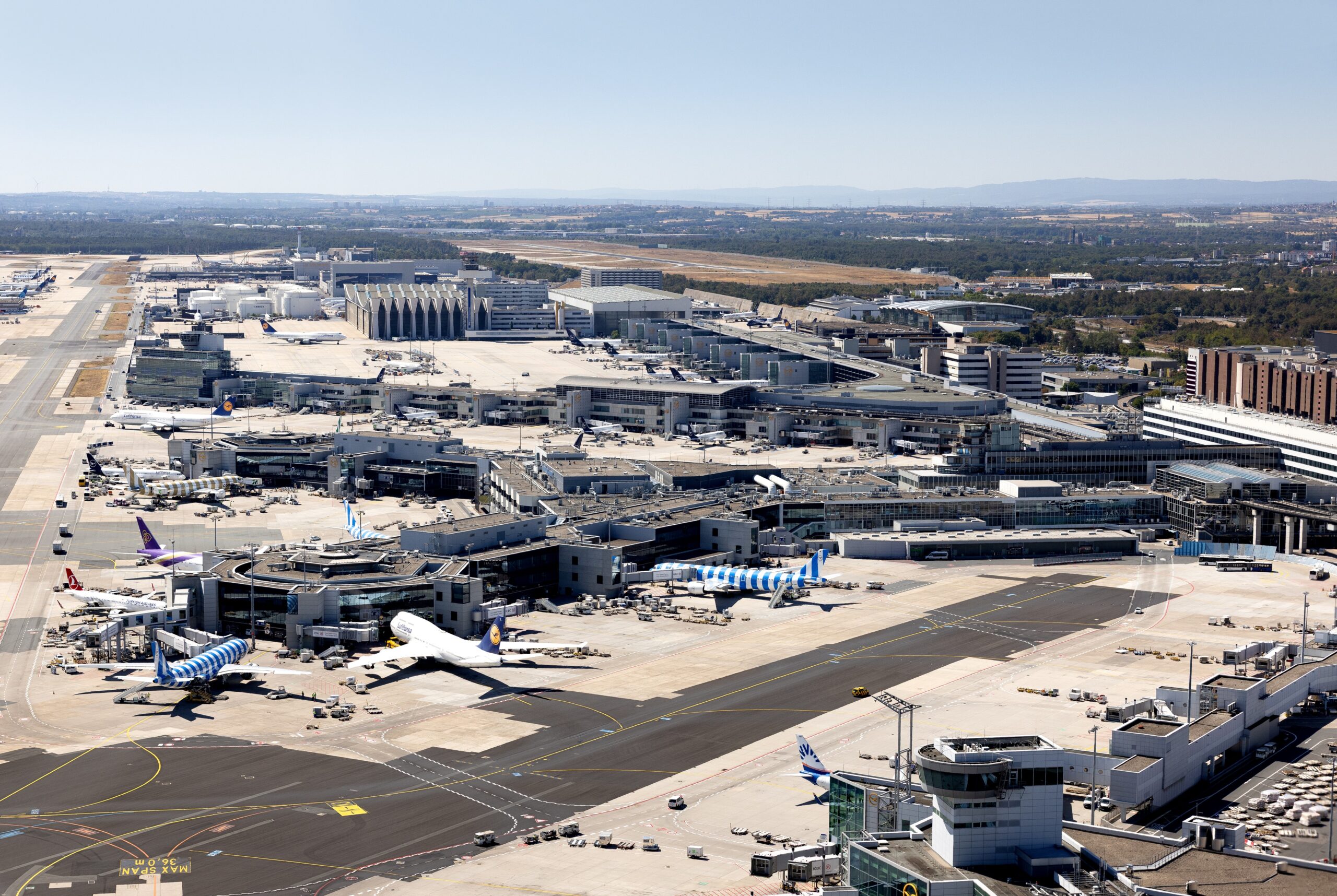
Frankfurt aerial view Terminal 3

Frankfurt Airport handled 6.1 million passengers in September 2026, up 1.6% year on year, supported by strong leisure demand as school holidays continued in Bavaria and Baden-Württemberg. Across Fraport’s actively managed airports, passenger traffic rose 2.7% to approximately 21.1 million.

Frankfurt’s January–September total remained slightly below last year, declining 0.2% to around 47.5 million passengers. Fraport said Lufthansa strikes affected almost 700,000 passengers during the period; excluding their impact, traffic would have grown by approximately 1.3%.

September cargo throughput increased 2.5% to 174,773 tonnes, while aircraft movements fell 3.5% to 40,539. Domestic flights declined 25.2%, notably reflecting the suspension of services to Bremen and Stuttgart.

Most international airports in Fraport’s portfolio recorded growth. Ljubljana led with a 16.6% increase, followed by Lima at 10.5%, Burgas and Varna combined at 8.6%, and the group’s 14 Greek airports at 4.2%. Fortaleza and Porto Alegre together grew 2.1%, while Jericoacoara Airport appeared in the group’s figures for the first time, contributing 27,272 passengers. Antalya traffic declined 1.7% to approximately 5.1 million.

Cirium cuts 20-year aircraft delivery forecast to 43,000 as production constraints persist

1

Cirium forecasts around 43,000 commercial passenger and freighter aircraft deliveries between 2026 and 2045, worth US$3.2 trillion in 2026 dollars. The projection is down from last year’s forecast of 46,500 deliveries worth US$3.4 trillion in 2025 dollars, as production constraints temper expectations despite sustained long-term demand.

The aviation consultancy expects the aircraft supply-demand imbalance to persist throughout the 2020s. Supply-chain bottlenecks, engine availability, extended certification timelines and cost pressures are limiting airlines’ ability to expand and replace ageing fleets. Higher fuel prices, geopolitical disruption and trade uncertainty could also alter the timing and regional distribution of growth.

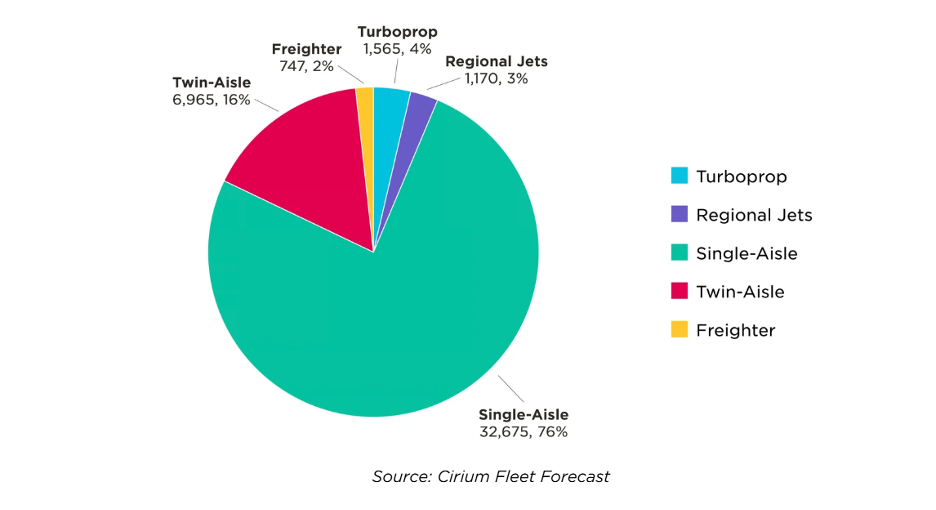
The global passenger fleet is projected to exceed 50,000 aircraft by 2045, growing at an average annual rate of 3.2%, slightly below last year’s 3.3% estimate. China, India, and Asia-Pacific collectively account for about 48% of the modelled passenger fleet allocation. Single-aisle jets represent 76%, with the A321neo the largest individual aircraft series at 16%.

Airbus and Boeing account for 47% and 39% respectively of modelled passenger fleet allocation, while COMAC represents 5%. Cirium stresses that these figures describe fleet allocation rather than future delivery market shares.

The forecast also highlights resilient cargo demand supported by e-commerce and time-sensitive logistics. Conventional gas-turbine aircraft are expected to remain the fleet’s foundation through 2045, with fleet renewal and efficiency improvements central to reducing fuel consumption as sustainable aviation fuel availability and cost remain constraints.

ICAO joins alliance to address CORSIA carbon-credit shortfall

0

ICAO has joined the Supporting Alliance for CORSIA EEU Supply, strengthening efforts to increase the availability of eligible carbon credits ahead of the aviation emissions scheme’s 2027 compliance deadline. IATA announced the move at its World Sustainability Symposium in Brussels.

The alliance brings together more than 80 stakeholders to help countries authorise Eligible Emissions Units (EEUs) for use under CORSIA while avoiding double counting against their Paris Agreement climate commitments. It also provides technical support for participation in international carbon markets.

According to IATA, 42 CORSIA-compatible Letters of Authorisation covered 72 million EEUs as of August 2026, up from 40 million at the start of the year. However, this remains well below the estimated 200–250 million units required for the initial compliance cycle.

IATA said the pace of supply growth must accelerate, while ICAO said its participation would strengthen cooperation between governments, aviation and carbon-market stakeholders to support the scheme’s implementation.

Nuremberg Airport reopens after fighter jets escort Corfu flight

0

Nuremberg Airport temporarily suspended operations on Tuesday, 13 October, after an emergency alert involving a passenger aircraft arriving from Corfu prompted a police response and fighter escort. The aircraft landed safely, and police subsequently gave the all-clear after checks found no danger. 

German media identified the aircraft as Corendon flight XR456 (Boeing 737-800 reg. 9H-CXD), which landed at approximately 12:16 local time. An airport spokesperson confirmed that Eurofighter jets had escorted the aircraft before returning to base.

Reports indicated that an alert had been transmitted from the aircraft, triggering precautionary security measures. The circumstances behind the signal remained unclear, and authorities had not confirmed an actual hijacking or threat aboard the flight. Operations reportedly resumed by around 13:30.

The airport had experienced a separate disruption overnight after three pilots reported a possible drone near the airfield. Searches did not locate a drone; six flights were delayed and two arrivals diverted during that earlier incident. No connection with the Corfu flight alert has been established.

Sources: AP News, thetimes.com, bild.de

International traffic drives Avinor past 40 million passengers in 2026

0

Norwegian airport operator Avinor handled almost five million passengers in September, up 1.2% year on year, bringing its January–September total to 40.94 million, an increase of 1.6%.

International traffic remained the main growth driver, rising 3% to 2.12 million passengers in September. Domestic traffic was broadly unchanged at 2.83 million, down 0.1%. Commercial aircraft movements increased by 0.2% to 58,284.

Oslo Airport welcomed 2.55 million passengers, up 1.1%, taking its year-to-date traffic 0.4% above the corresponding 2025 level. Bergen recorded the strongest growth among Avinor’s largest airports over the first nine months, with passenger numbers up 6%; September traffic rose 2.5% to 661,369.

Tromsø also grew, handling 228,047 passengers in September, up 3%, while its year-to-date total increased by 4.3%. Trondheim and Stavanger recorded September declines of 0.3% and 1.6% respectively, and remained below last year’s levels over the first nine months.

Aviation24.be latest

Aviation24.be trending