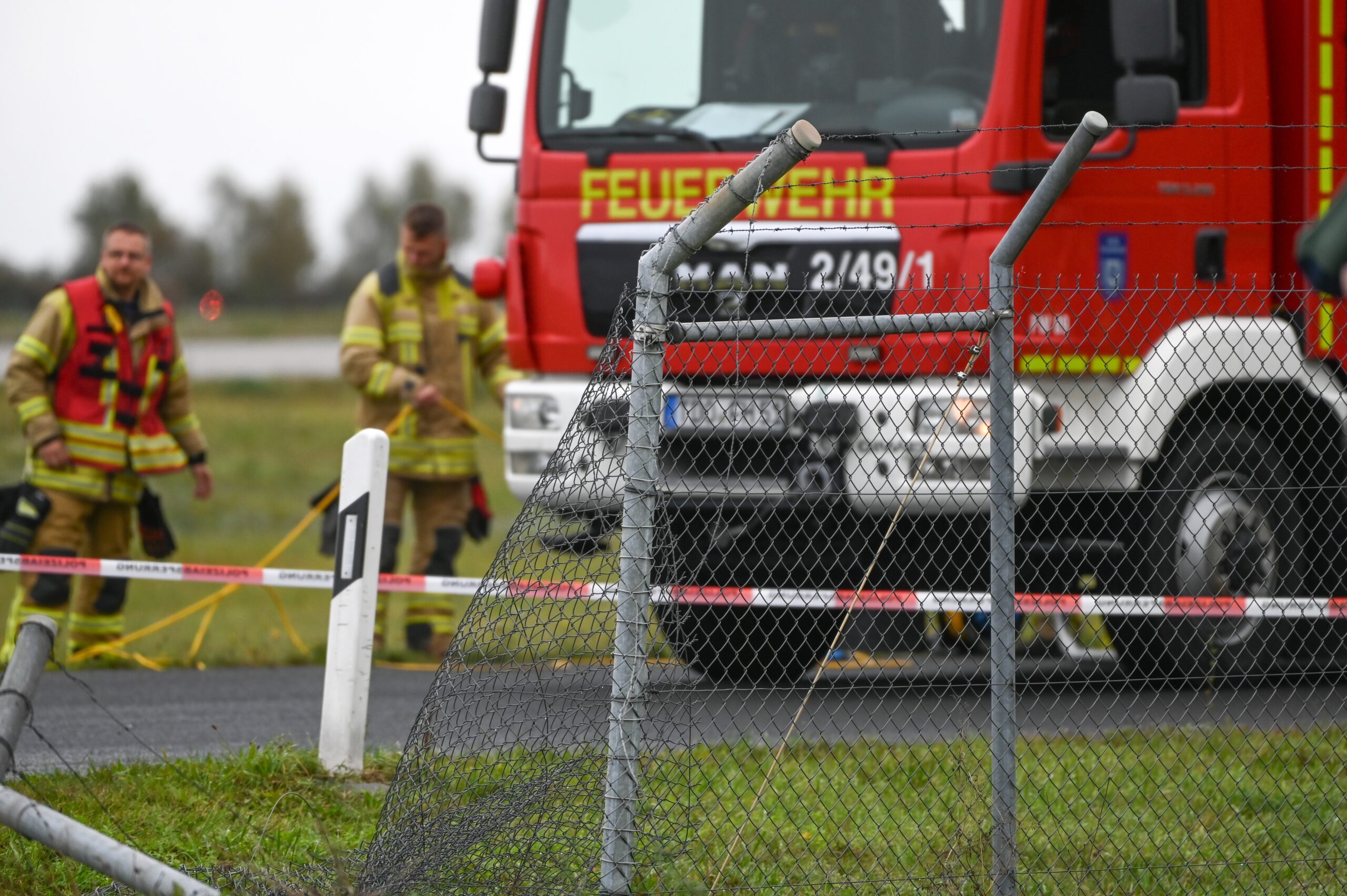
18 October 2026, Saxony, Schkeuditz: The damaged fence section at the entrance to the airport grounds is visible. Police are investigating another security incident at Leipzig/Halle Airport on the North Runway. Photo: Heiko Rebsch/dpa
German police are investigating a security incident at Leipzig/Halle Airport after a section of the perimeter fence was found damaged late on Saturday, October 17. The discovery triggered a major police operation at the airport in Schkeuditz, Saxony, with officers searching the grounds for possible intruders.
According to Leipzig police, the damage was discovered shortly before 23:00 local time. Investigators believe it is highly likely that a vehicle drove through the fence, although the circumstances remain unclear. Initial searches by federal and state police found no unauthorised persons or suspicious objects on the airport grounds. Further searches with additional personnel were planned for Sunday.
The incident led to the closure of the airport’s northern runway while the investigation continued. However, the southern runway remained operational, allowing passenger and cargo flights to continue without reported restrictions.
The damaged section of fencing is located in the northern part of the airport, approximately two kilometres from three Russian Antonov An-124 cargo aircraft that have been grounded at Leipzig/Halle since 2022 under European Union sanctions. Police have not established any connection between the fence damage and the aircraft.
The incident comes around two months after a drone carrying explosives was discovered at Leipzig/Halle Airport near Ukrainian cargo aircraft. German authorities attributed that earlier incident to Russia, which rejected the allegations. No link between the two incidents has been established.
Police are continuing to investigate the latest breach, including how the fence was damaged and whether anyone entered the restricted airport grounds.
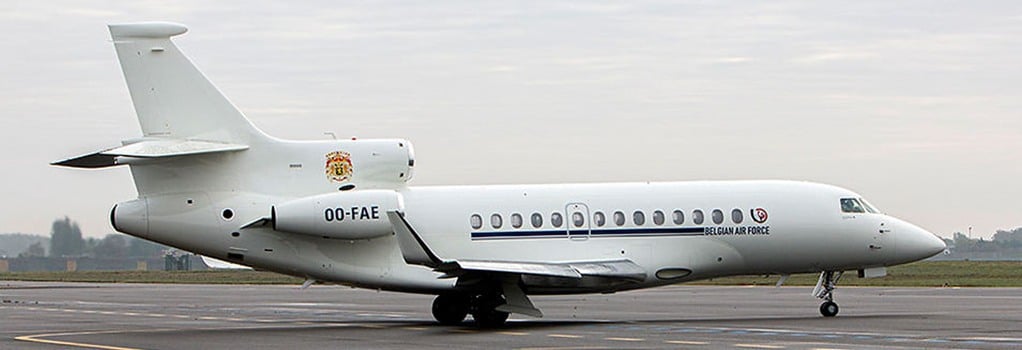
When a government aircraft becomes unavailable before an important diplomatic visit, the timing inevitably attracts attention. For Belgium, however, the more revealing question is how much backup remains when one of its two leased Dassault Falcon 7X jets cannot fly.
Disruptions have exposed the vulnerability of that arrangement. In September, Het Nieuwsblad reported that one aircraft had spent around six months in maintenance, leaving a single jet to serve official requirements. Prime Minister Bart De Wever had earlier travelled to India on a commercial flight when neither Falcon was available. That reporting describes the position in September; it does not establish that the prolonged maintenance absence continues today.
An earlier incident illustrates how separate technical faults can derail the same journey. In November 2025, a Belgian delegation travelling to the EU–CELAC summit in Colombia experienced a return followed by an unscheduled stop in Sint Maarten. Explaining the disruption to Parliament on 12 December, Defence Minister Theo Francken identified a fuel-transfer problem between two tanks, resolved by replacing a valve. A subsequent warning in the No 3 engine compartment was traced to a defective fire-detection component, which was also replaced. The minister’s explanation therefore distinguished the warning from an actual engine fire.
Such incidents make headlines, but they do not alone establish an unusually unreliable aircraft fleet. That assessment would require figures for departures, technical delays, cancellations and maintenance downtime over a sustained period, alongside comparable operating data.
The operational weakness is easier to identify. With two aircraft, taking one out of service removes half the fleet by aircraft count. If the remaining jet develops a fault or is committed to another mission, an additional request requires an alternative. A functioning aircraft is not necessarily an available aircraft.
It is also important to distinguish an unexpected aircraft-on-ground event from scheduled maintenance. Both prevent an aircraft from operating, but they raise different questions. A sudden defect tests technical support and recovery arrangements; an extended maintenance absence tests planning and replacement provision.
Francken told Parliament that the Falcons followed Dassault’s maintenance programme, including a thorough inspection every eight years. He also said Defence had alternative resources and contracts to mitigate unexpected breakdowns. At that stage, the leasing agreement ran until April 2031, with market research under way towards purchasing aircraft of similar capacity and a contract award envisaged no earlier than 2027.
For Belgium, the procurement question consequently extends beyond choosing the next business jet. Aircraft availability targets, replacement-aircraft access, maintenance turnaround commitments and the ability to accommodate simultaneous missions all determine whether official transport remains dependable.
There is no evidence here that faults preferentially occur at politically sensitive moments. Their consequences are simply more visible when a minister has a summit to reach and little flexibility in the timetable. The central issue is whether Belgium’s transport arrangements can absorb an ordinary technical problem without turning it into a diplomatic disruption.
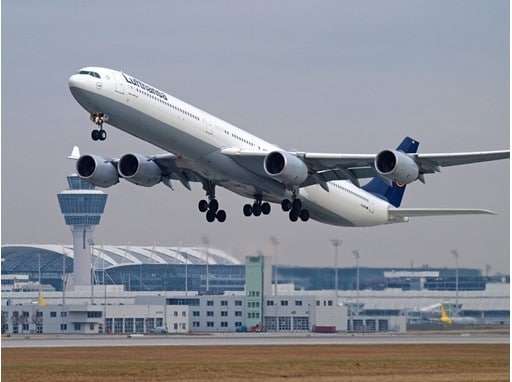
Lufthansa will end Airbus A340-600 passenger operations on 18 October, with the final scheduled service arriving in Frankfurt the following morning, ending almost 23 years of service for the German airline.
Flight LH419 from Washington Dulles is scheduled to depart at 17:55 local time on Sunday, 18 October, and land in Frankfurt at 07:55 on Monday, 19 October. A Lufthansa spokesperson confirmed the planned final flight to German aviation publication airliners.de. Aircraft assignments and timings remain subject to operational changes.
The airline’s four remaining A340-600s have been operating from Frankfurt to New York JFK and Washington Dulles. These transatlantic services mark the final stage of a withdrawal that has already seen the type disappear from several other long-haul routes.
Lufthansa introduced the A340-600 in 2003 and took delivery of 24 aircraft between 2003 and 2009. The retirement was postponed repeatedly as delays to replacement aircraft, particularly the Boeing 787-9, prolonged the four-engined jet’s operational life. The arrival of additional 787-9s and Airbus A350-900s has since enabled the airline to proceed with its withdrawal.
The final retirement forms part of a broader effort to reduce costs and simplify the group’s fleet. In April, Lufthansa Group announced that its last four A340-600s would leave in October, alongside the temporary grounding of two Boeing 747-400s for the winter. The group cited higher fuel costs and additional financial pressure from industrial disputes as reasons for accelerating its fleet and capacity measures.
The departure of the stretched A340 does not end Lufthansa’s use of four-engined passenger aircraft: the smaller A340-300, Airbus A380 and Boeing 747 remain in its fleet. It does, however, remove one of its most distinctive long-haul types as newer twin-engined aircraft take a growing share of operations.
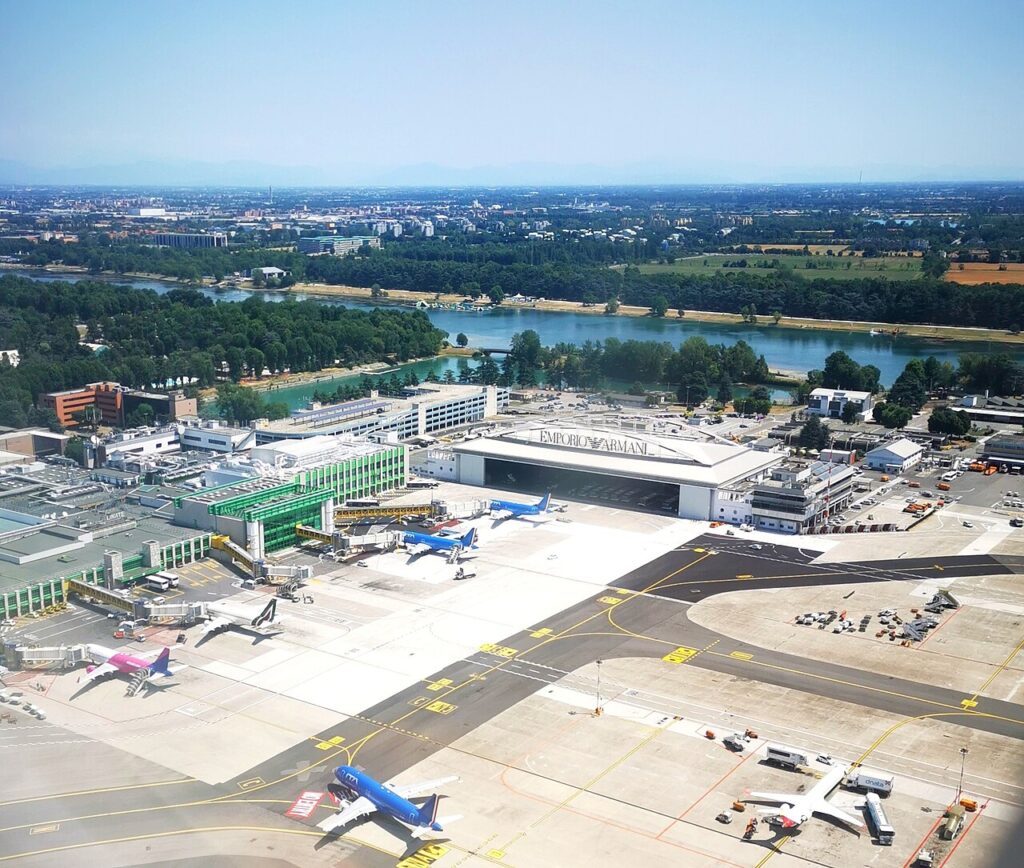
A technical failure affecting Italy’s air traffic control systems disrupted flights at Brussels Airport on Friday, causing delays of up to two hours and the cancellation of a Brussels Airlines service to Milan.
Brussels Airport had 21 departures to Italy and 21 arrivals from Italian airports scheduled for the day. Around midday, delays ranged from 30 minutes to two hours. The airport said it was monitoring developments with airlines and the relevant authorities, and advised passengers to check their flight status with their carrier.
Italian air navigation service provider ENAV said the fault was detected overnight from Thursday to Friday. A backup system was activated, but its limited capacity required a reduction in traffic. By Friday afternoon, the system was handling approximately half the usual traffic volume.
ENAV ruled out sabotage and said work was continuing to identify the cause and restore full functionality.
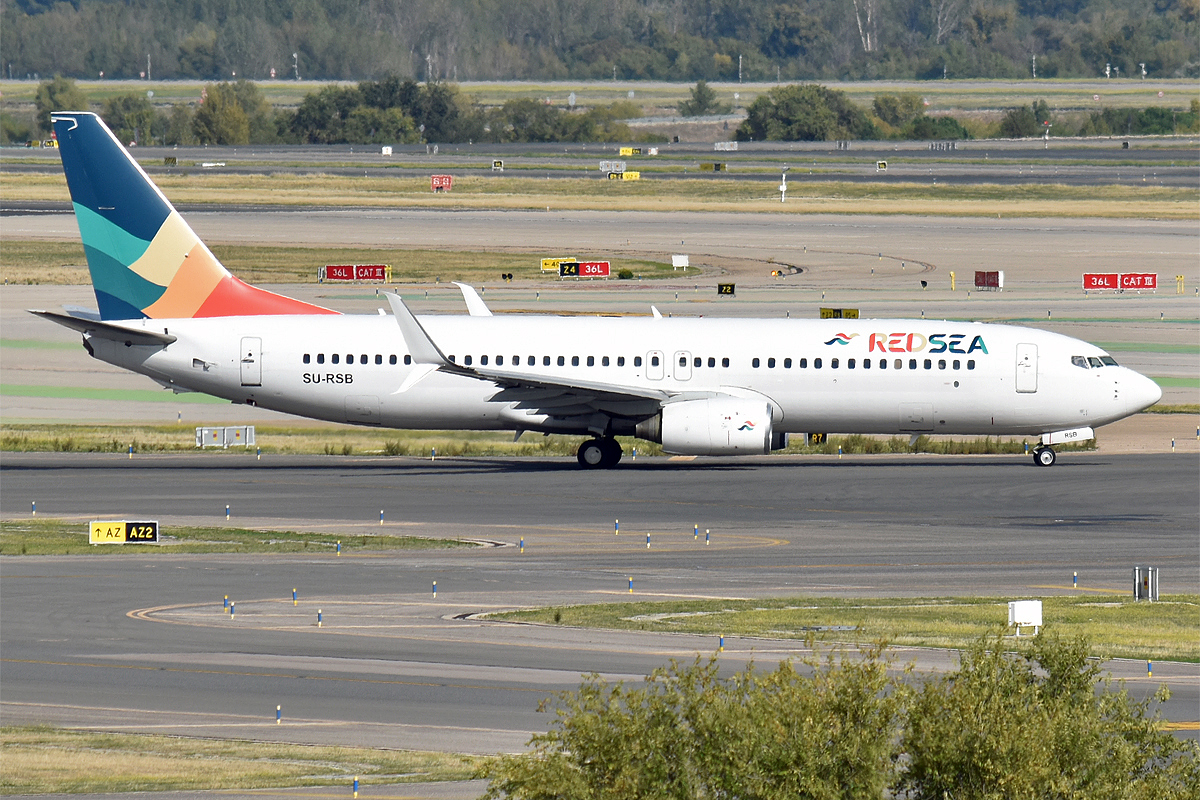
Red Sea Airlines) charter flight 4S321 from Hurghada, Egypt, to St. Petersburg, Russian Federation, operated by a Boeing 737-800 (reg. SU-RSB, pictured above), diverted to Helsinki-Vantaa, Finland, after a drone alert prompted the closure of Pulkovo Airport.
According to the Finnish Border Guard, the passenger aircraft landed overnight in Helsinki, refuelled and subsequently continued to Russia.
Leningrad region governor Alexander Drozdenko said two drones had been shot down near St Petersburg overnight. The supplied report did not identify the airline or aircraft involved.
Finland also restricted maritime and air traffic in part of the eastern Gulf of Finland on two consecutive mornings, citing a risk from drones.80
Airbus is preparing to decide on an expansion of A350 production capacity as airlines seek more long-haul aircraft. Commercial aircraft chief executive Lars Wagner said the investment would require board approval, but that a decision was expected sooner rather than later.
Speaking in Toulouse on 14 October, Wagner said the existing A350 assembly line was designed to produce 12–13 aircraft a month. Increasing output beyond that level would require another assembly line and additional manufacturing capacity. Airbus already targets production of 12 A350s per month in 2028; no higher rate or implementation timetable has yet been announced.
The manufacturer is also studying stretched versions of the A350 and A220, commonly referred to as the A350-2000 and A220-500. Wagner said there was demand for both, with decisions expected early in the company’s next five-year planning period. Neither programme has been formally launched.
The expansion discussions come as Airbus continues to address supply-chain constraints. Some A350 customers were warned earlier this year of delivery delays linked to shortages of fuselage components. Aircraft-seat deliveries also remain a concern for widebody production, although Airbus says Rolls-Royce engine supplies are on track following earlier concerns.
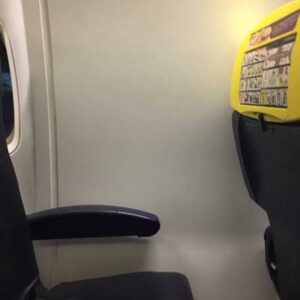
Ryanair responded to a passenger’s complaint about its windowless seat 11A with a characteristic social-media quip: “Take a nap.”
Ryanair seat 11A
In a TikTok video, the traveller said the airline should have warned him that his selected seat faced a cabin wall rather than a window. Ryanair replied “We did”, sharing an image of a booking notification stating: “This seat has no window.”
The exchange, reported by the Liverpool Echo in June, drew amused reactions online and reflects the airline’s established tongue-in-cheek approach to customer comments.
For passengers who value the view, the episode offers a reminder to check seat-selection notices carefully: a position beside the fuselage does not necessarily guarantee a window.
VINCI Airports has launched the redevelopment of Terminal 2 at Lyon-Saint Exupéry Airport, with opening scheduled for 2029 ahead of the 2030 Winter Olympic and Paralympic Games in the French Alps.
The project forms part of a wider investment programme exceeding €380 million over seven years. That programme remains conditional on an economic regulation agreement being signed with the French government by spring 2027.
Terminal 2 will gain a 9,500 m² extension, while 12,000 m² of existing space will be modernised. Plans include next-generation security screening, new retail and leisure areas, and an expanded bus station to improve onward connections, particularly to Alpine resorts. Similar screening technology is due at Terminal 1 for summer 2027.
Operational improvements will include better handling of oversized baggage such as skis and bicycles, alongside more flexible use of aircraft stands. An energy-efficiency refurbishment is also intended to reduce the terminal’s carbon footprint.
The redevelopment aims to strengthen Lyon’s role as a gateway to the Alps, supporting year-round tourism and preparing the airport to handle Olympic delegations, spectators and other international visitors.
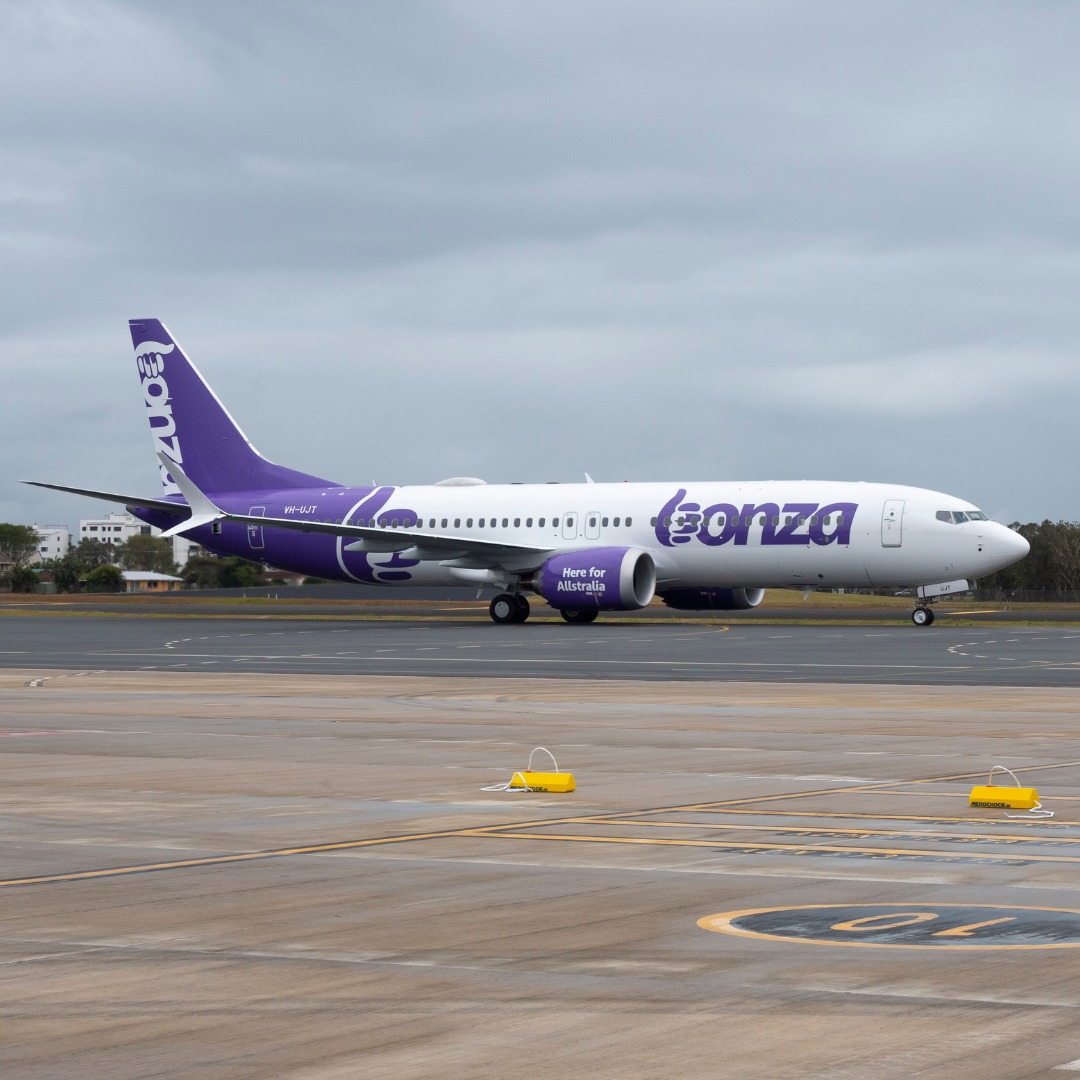
Joshua Wander, co-founder and chief executive of 777 Partners, the investment firm that financed failed Australian airline Bonza, has pleaded guilty in the United States over a US$500 million scheme to defraud lenders and investors.
According to US prosecutors, Wander pledged assets more than once, offered fictitious assets as collateral and misrepresented his company’s financial position. He also directed employees to alter bank statements to show cash balances that did not exist. Some funds were diverted to unauthorised purposes, including financing 777’s portfolio of football clubs.
777 Partners was Bonza’s sole financial backer. The Sunshine Coast-based low-cost airline ceased operations in 2024 after approximately a year of flying, when its Boeing 737 aircraft were repossessed amid its owner’s financial difficulties.
Former Bonza chief executive Tim Jordan is not accused of wrongdoing. Australia’s corporate regulator, ASIC, decided in 2025 not to prosecute the airline’s directors following its collapse.
Wander faces a maximum sentence of 20 years on each of two charges and has agreed to forfeit at least US$500 million. Sentencing is scheduled for March 2027.
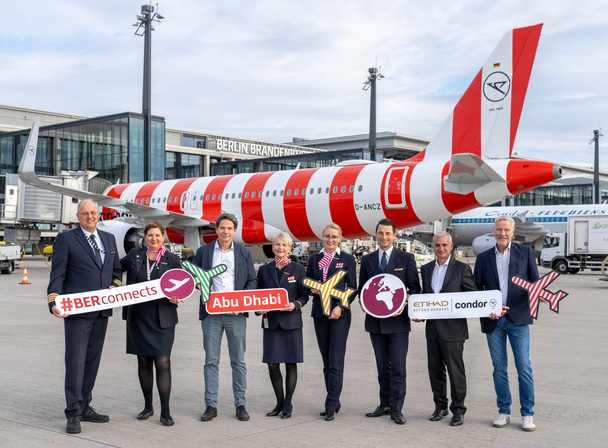
Condor has launched daily flights between Berlin Brandenburg and Abu Dhabi, operated in codeshare with Etihad Airways. The year-round service provides direct access to the UAE capital and onward connections through Etihad’s hub to destinations across Asia, Australia and Africa.
The route is operated by a 180-seat Airbus A320neo. Connecting destinations include Bangkok, Sydney and Hanoi, expanding travel options for passengers from Berlin and Brandenburg.
Flights currently depart Berlin at 16:40 and arrive in Abu Dhabi at 01:00 the following day. Return services leave Abu Dhabi at 02:15 and reach Berlin at 07:15, with all times local.
From 25 October, the winter schedule will bring the Berlin departure forward to 10:00, arriving in Abu Dhabi at 19:20. Return flights will arrive in Berlin at 06:20.
Delta Air Lines will introduce daily seasonal flights between Boston and Reykjavík Keflavík on 12 April 2027, operating through 30 October.
The route will use Boeing 757-200 aircraft offering Delta Premium Select, Delta Comfort and Delta Main cabins. Reykjavík will become Delta’s 14th long-haul destination from Boston during the peak summer season and its 16th international destination.
The addition joins previously announced Boston–Venice, Detroit–Athens and Austin–Paris services in Delta’s summer 2027 transatlantic expansion. It also builds on the airline’s presence in Iceland, which began with New York JFK–Keflavík flights in June 2011.
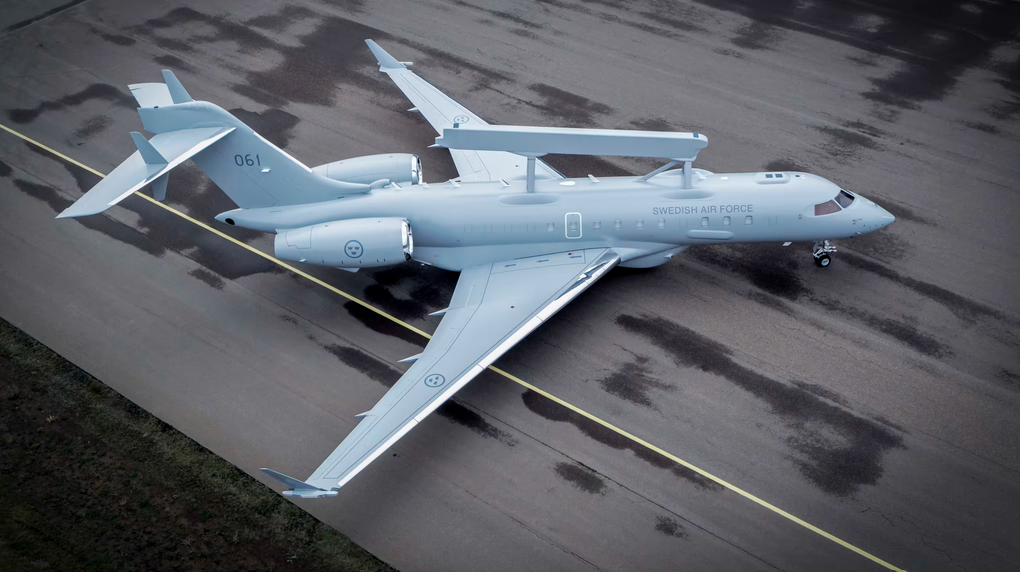
Saab has presented the first GlobalEye airborne early warning and control (AEW&C) aircraft for the Swedish Air Force. The aircraft will now undergo testing and verification before its maiden flight and subsequent delivery.
Sweden has ordered three GlobalEye aircraft through the Swedish Defence Materiel Administration (FMV). The first two were contracted in 2022, followed by a third in 2024.
GlobalEye combines active and passive sensors to detect and identify targets in the air, at sea and over land. It provides real-time information to air, naval and ground forces, supporting situational awareness, early threat detection and operational decision-making.
Saab chief executive Micael Johansson described the unveiling as an important milestone as the Swedish programme progresses towards delivery.
Air India flight AI2030 from Frankfurt to New Delhi (Boeing 787-9 registered VT-TSE) diverted to Jaipur (JAI) on Wednesday after reportedly transmitting a hijack alert. Authorities have not confirmed any actual hijacking attempt, and all 306 passengers were safely disembarked.
Jaipur airport head Charan Singh told The Indian Express that the aircraft landed safely at 09:35 local time. He said preliminary indications suggested the pilot may have activated the alert accidentally, although an investigation was continuing.
According to initial reports, Ahmedabad air traffic control received a brief transmission of transponder code 7500, which signals possible hijacking or unlawful interference. Authorities later directed the aircraft to an isolation bay in Jaipur, where security teams inspected the aircraft and passengers’ luggage.
Early reports differed over whether the alert concerned a bomb threat or suspected hijacking. Air India had not issued a detailed statement at the time of reporting, and the cause of the alert remained unconfirmed.
easyJet has put five additional UK routes on sale for summer 2027, following the 18 announced in September. The expansion includes three Southampton services, alongside new links from London Gatwick and Luton.
Southampton will gain daily flights to Edinburgh from 28 March, plus twice-weekly services to Malaga from 1 May and La Rochelle from 29 May. Both international routes will operate on Tuesdays and Saturdays.
From Gatwick, easyJet will launch flights to Cagliari in Sardinia on 1 June, operating on Tuesdays, Thursdays and Saturdays. Luton–Rennes services will begin on 1 July, with departures on Thursdays and Sundays.
The airline is advertising starting fares of £32.48. Its easyJet holidays division will also offer packages to Edinburgh and Malaga.
Lufthansa Cargo’s winter 2026/27 schedule will offer 88 freighter routes serving 40 destinations worldwide, with expanded Asian connections and additional capacity to selected US gateways. The timetable takes effect on 25 October.
Asia-Pacific remains a key focus, with up to 46 weekly freighter rotations serving 17 destinations. Singapore joins the existing Frankfurt–Taipei rotation, while the twice-weekly transpacific service linking Frankfurt, Ho Chi Minh City, Shanghai and Los Angeles continues from summer. Taipei and Chengdu will each retain three weekly departures from Frankfurt, alongside renewed cargo connections with Almaty.
In India, Lufthansa Cargo announced the transfer of its Mumbai freighter operations from Chhatrapati Shivaji Maharaj International Airport to Navi Mumbai International Airport from 12 October, citing infrastructure upgrades at the existing airport. Separately, SWISS WorldCargo will add bellyhold capacity between Zurich and Bangalore.
North American frequencies will increase to four weekly services for Dallas/Fort Worth, three for Houston and five for New York JFK. In Europe, Frankfurt services to Larnaca and Istanbul will become permanent Boeing 777F operations, while Stavanger–Frankfurt flights continue. Former A321 freighter destinations will be covered by long-haul freighters or passenger-aircraft capacity while a new operator is sought for the four smaller freighters.
The bellyhold network will also gain Lufthansa’s five-weekly Kuala Lumpur service and ITA Airways’ twice-weekly Rome–Santo Domingo flights from November. Across six European hubs—including Brussels—Lufthansa Cargo says customers will have access to approximately 7,500 flights serving 350 destinations.
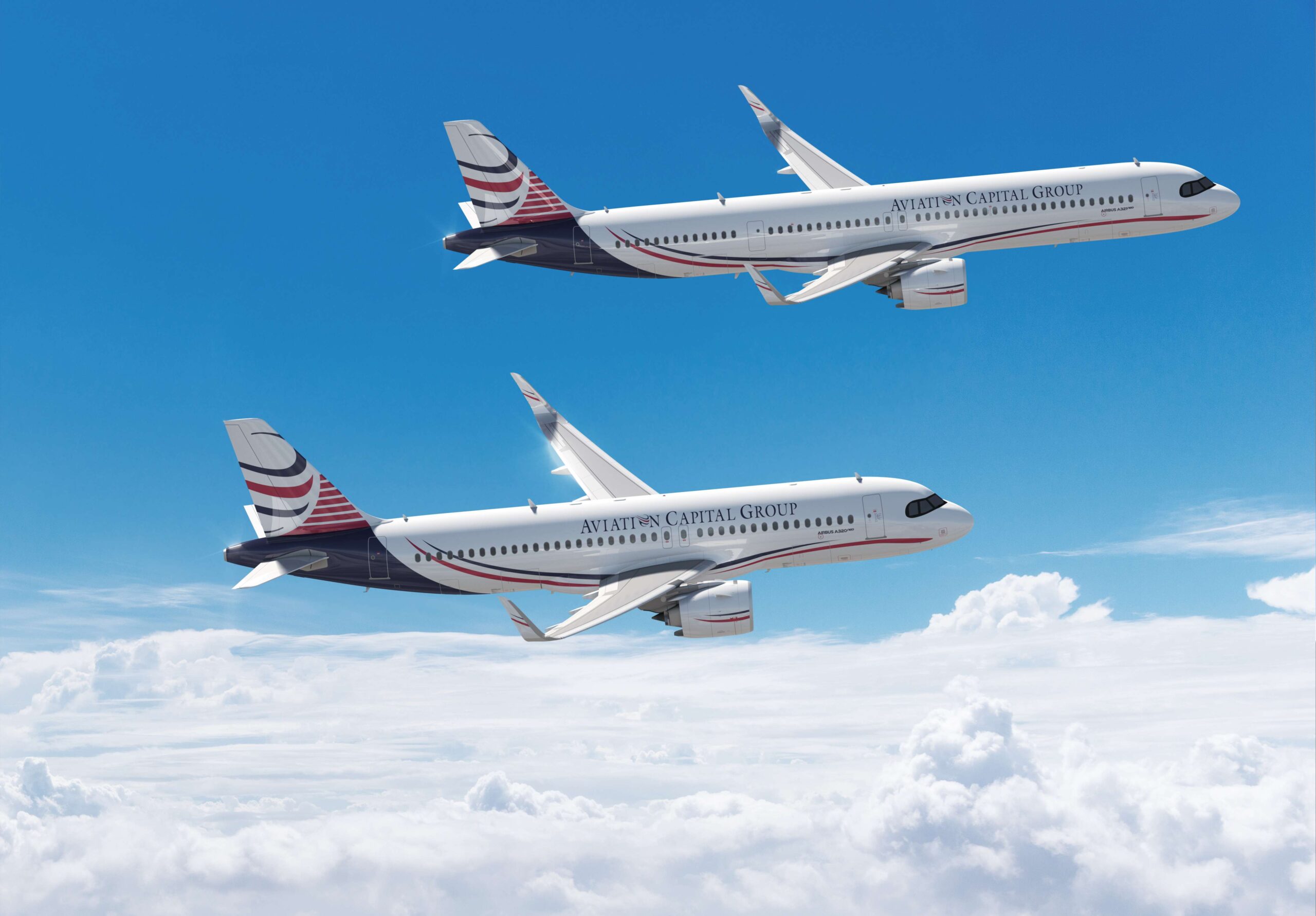
Aviation Capital Group (ACG) has signed a firm order for 75 Airbus A320neo Family aircraft, the largest order in the California-based lessor’s nearly 40-year history. The deal brings its cumulative orders for the aircraft family to 190.
Chief executive Thomas Baker said the purchase supports ACG’s strategy of investing in new-technology narrowbody aircraft in strong demand among airlines. Airbus said the agreement would enable the lessor to offer A320neo Family aircraft to customers well into the next decade.
The announcement did not disclose the split between A320neo and A321neo aircraft, delivery dates or engine selections. ACG’s direct-order relationship with Airbus began in 2007.
According to Airbus, the A320neo Family offers at least 20% lower fuel consumption and CO? emissions than previous-generation single-aisle aircraft.
Brussels Airlines has brought its travelling contemporary African art exhibition, AfriConnections, to Brussels for the final stop of its 2026 tour. Featuring works by 15 artists from across Africa, the exhibition runs at the Gare Maritime at Tour & Taxis from 16 to 30 October, with free admission.
Launched in April, the exhibition previously visited Kinshasa, Abidjan, Yaoundé and Dakar. The works come from the collection of the Ifitry artist residency near Essaouira in Morocco.
Curated by Michèle Desmottes, the initiative aims to strengthen exchanges between African artistic communities and audiences, encouraging works to circulate within the continent before being shown in Europe.
For Brussels Airlines, AfriConnections extends its links between Belgium and Africa into cultural exchange. The airline has also launched an accompanying digital campaign, Art&Design, featuring videos dedicated to African artists.
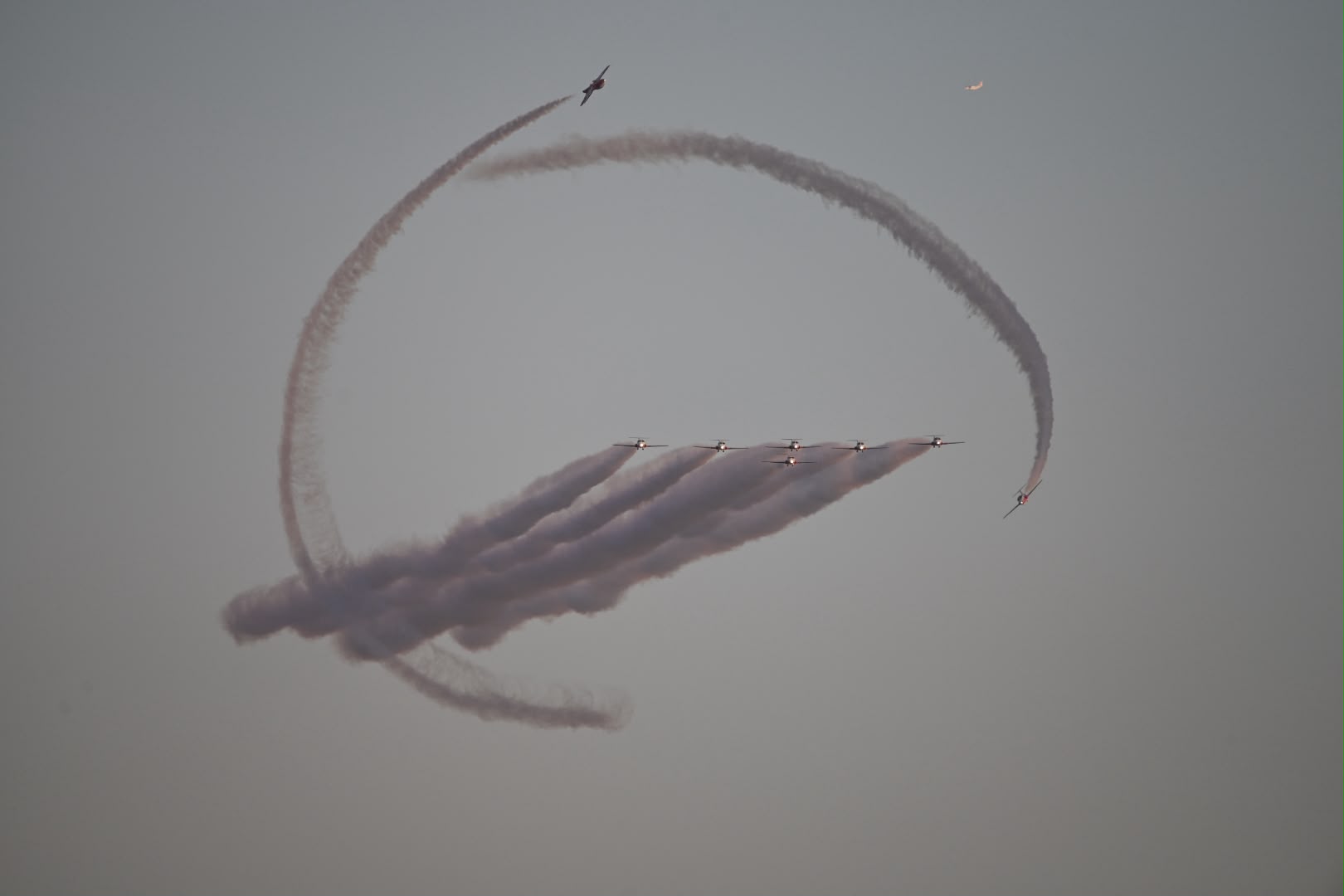
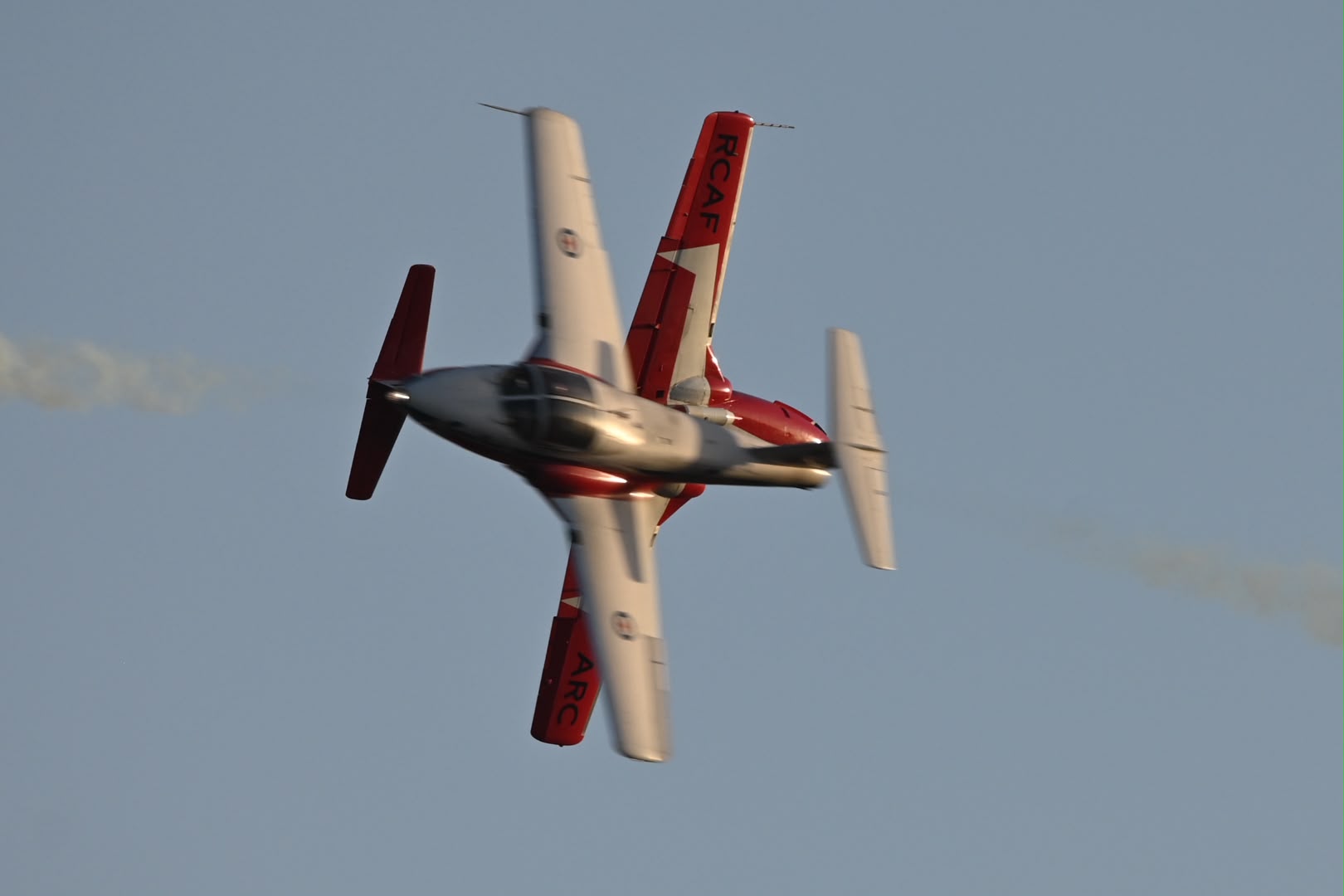
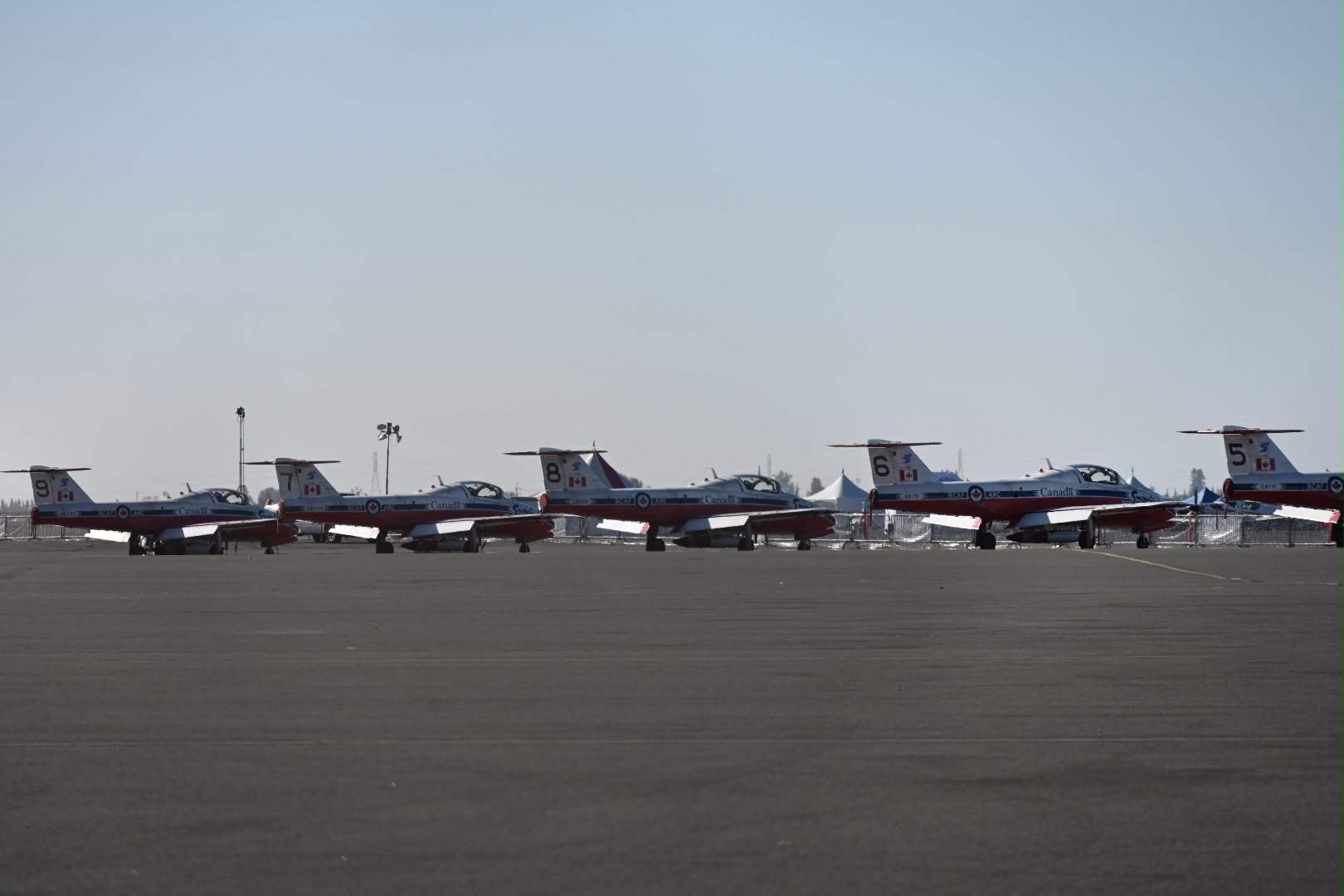
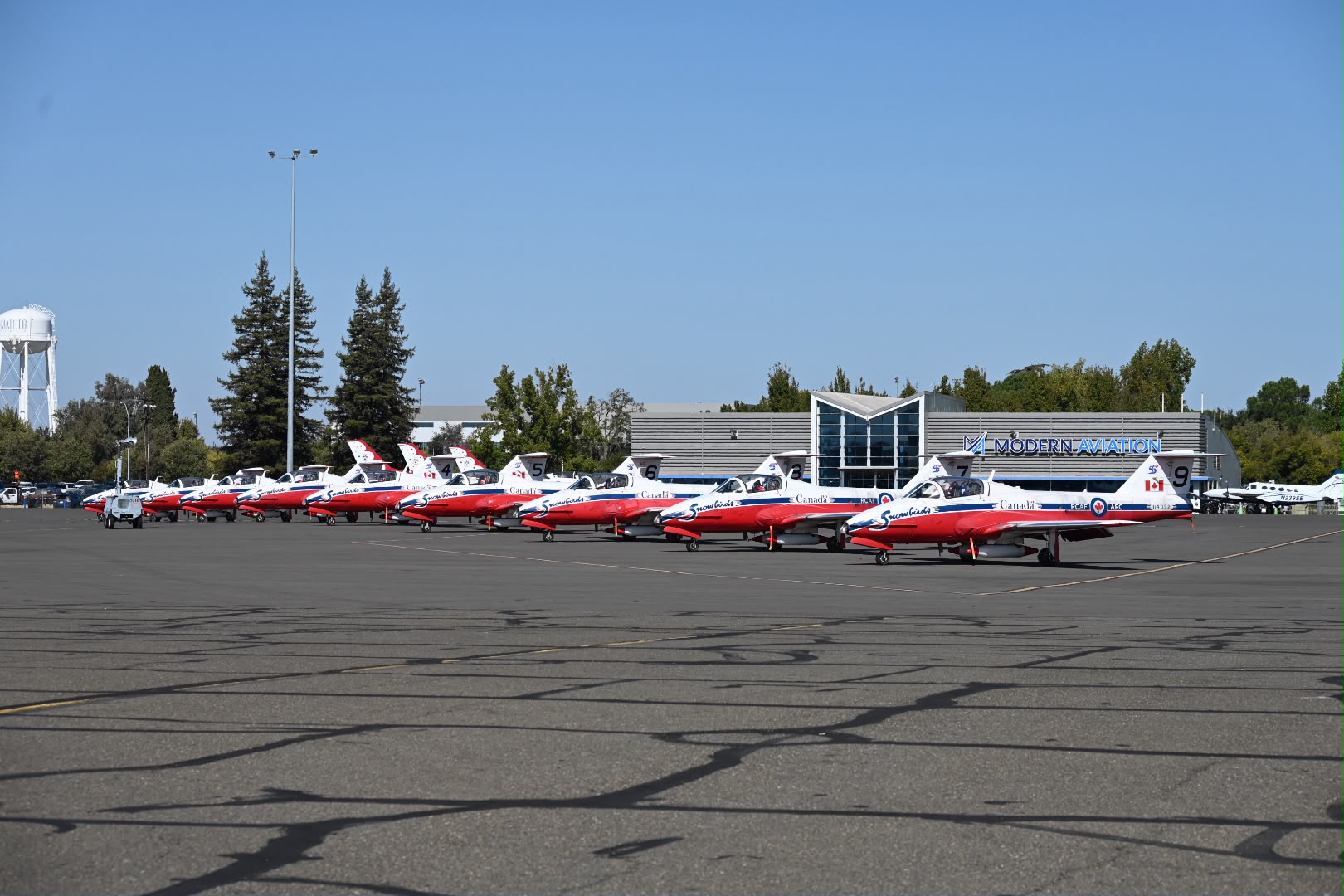
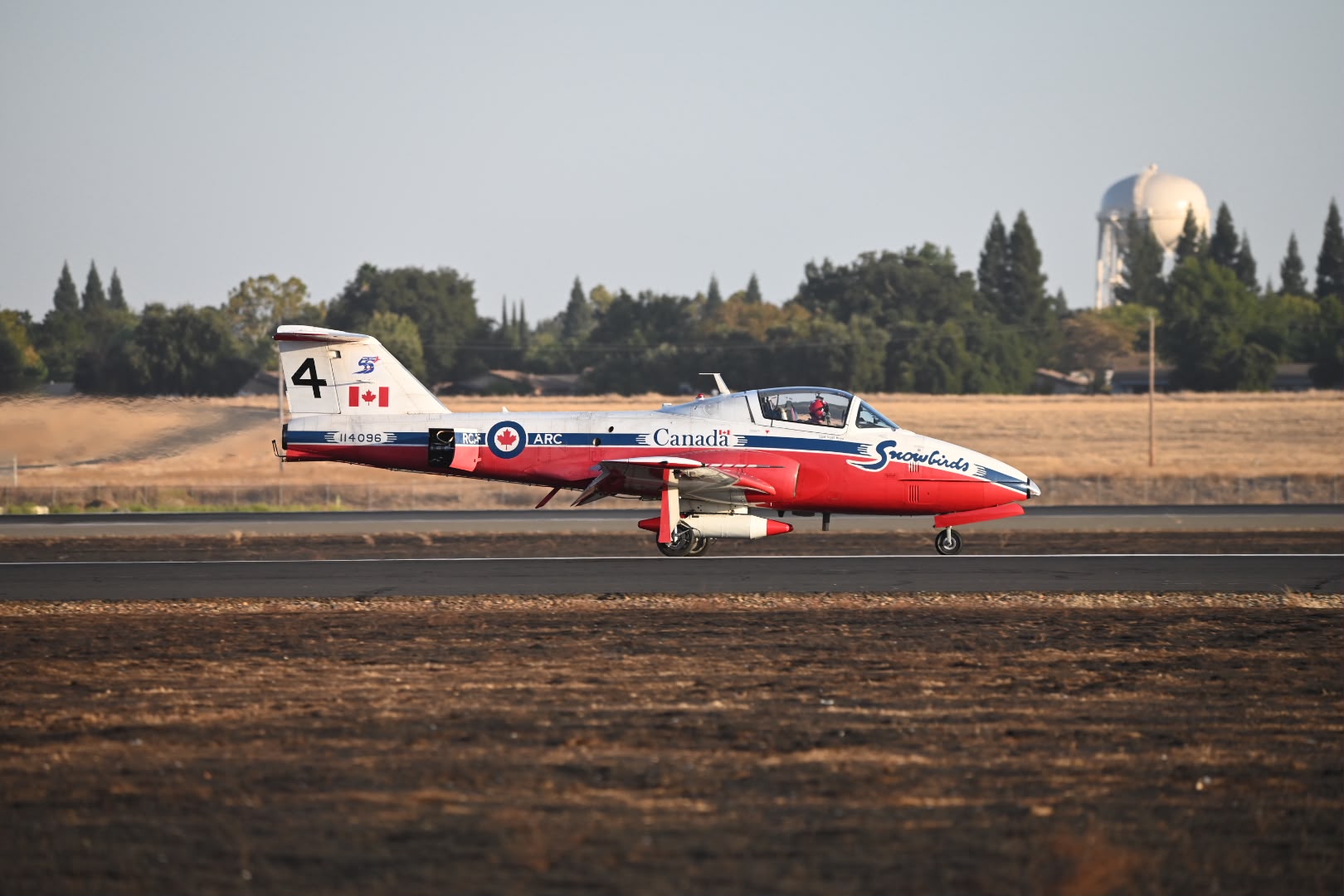
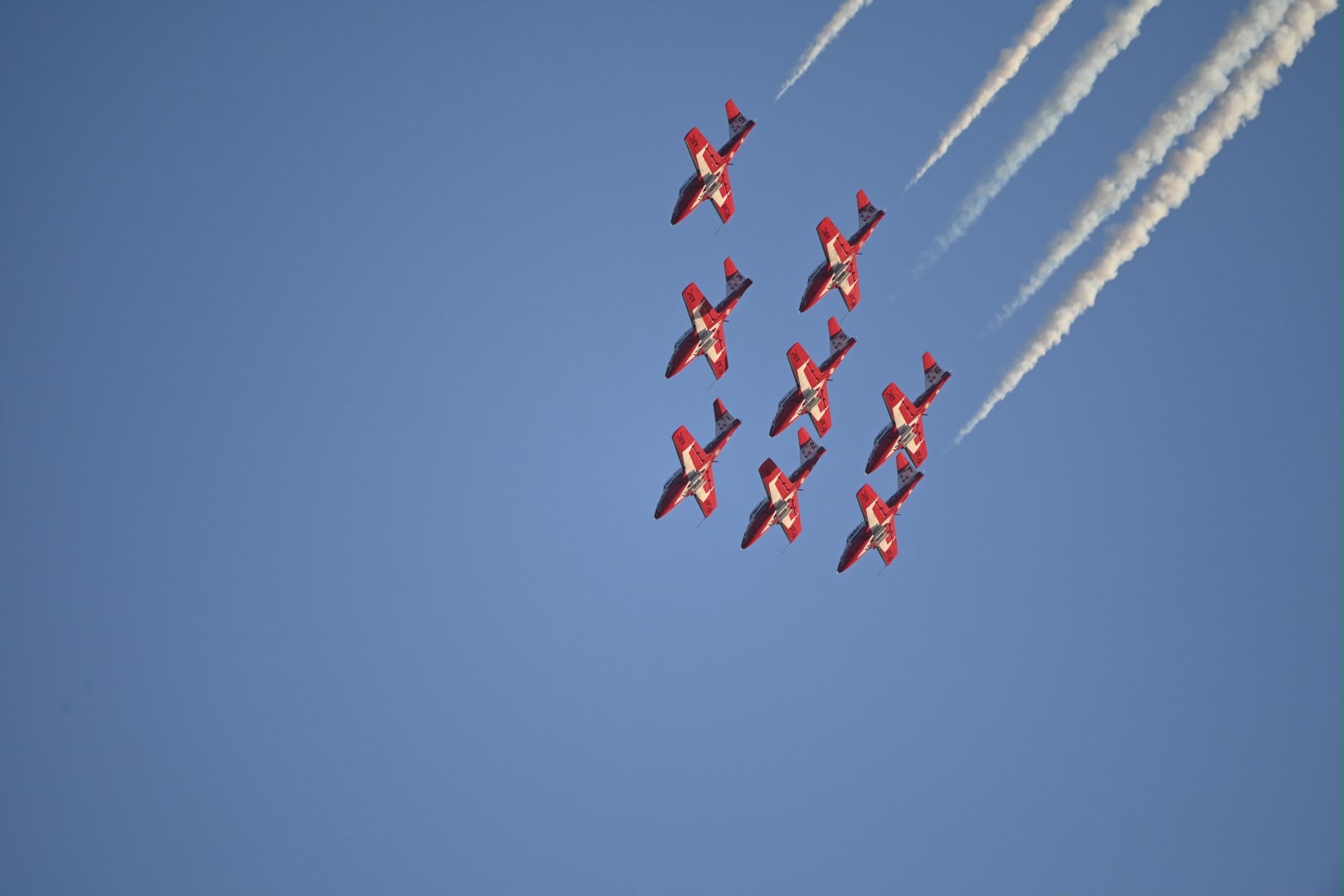
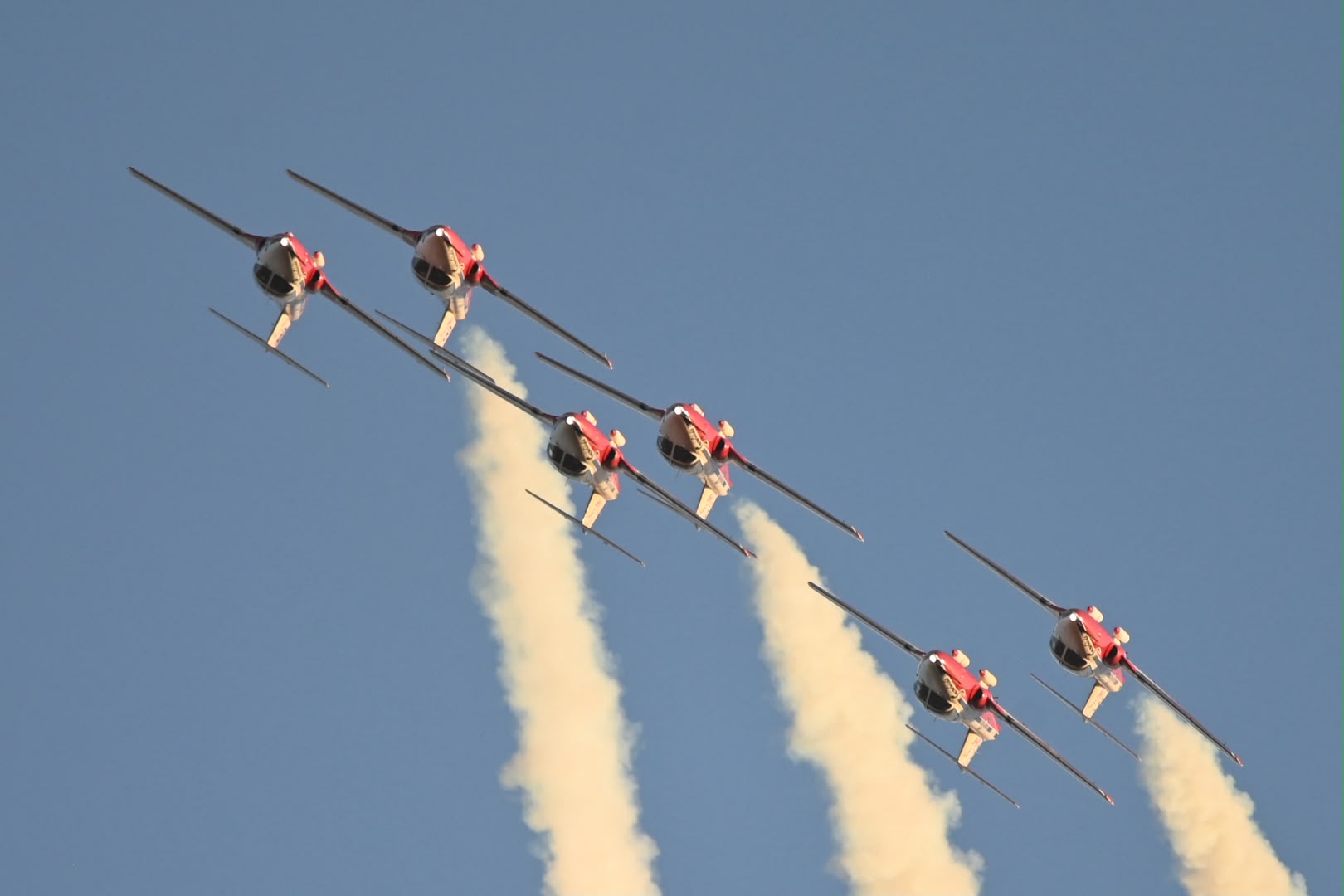
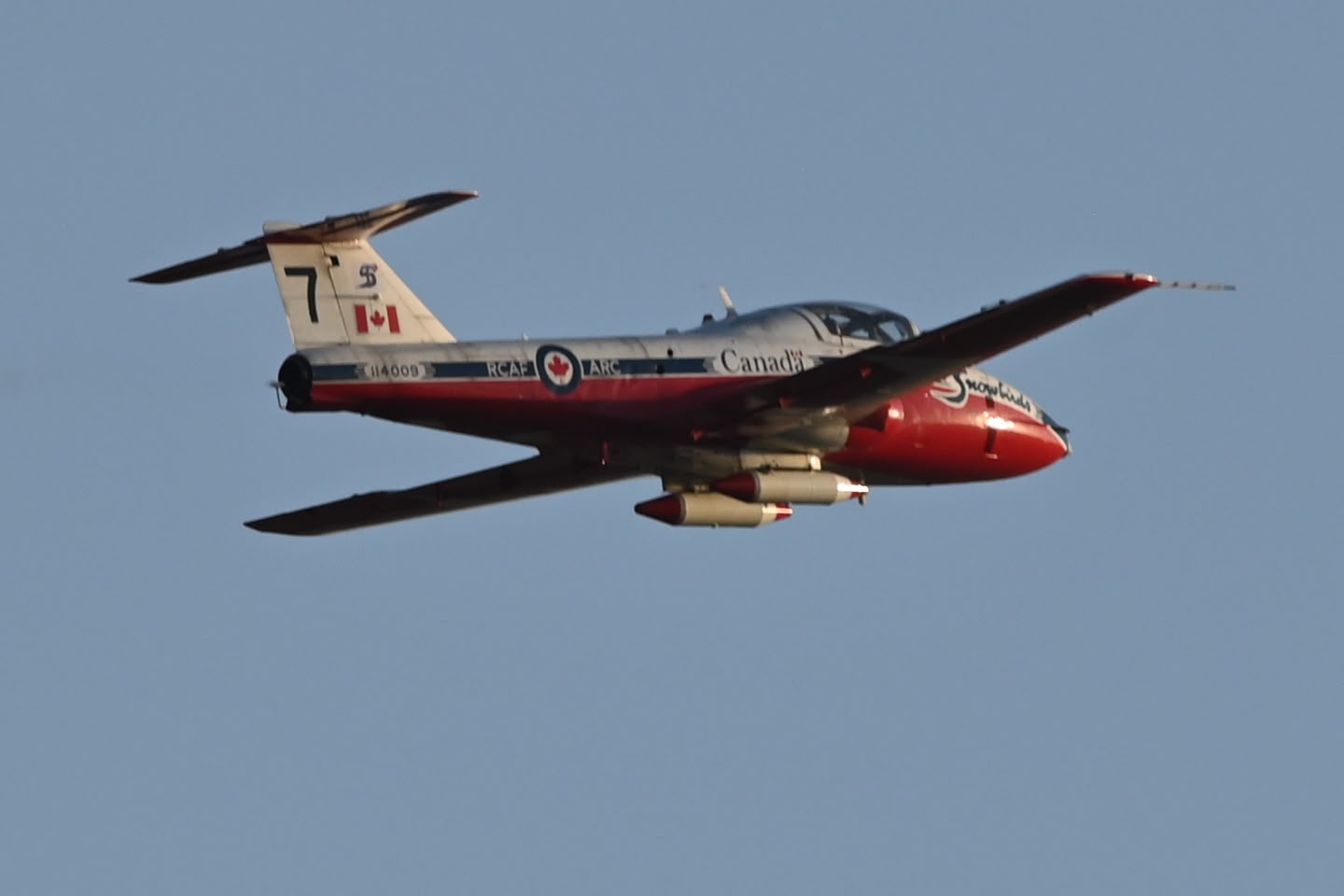
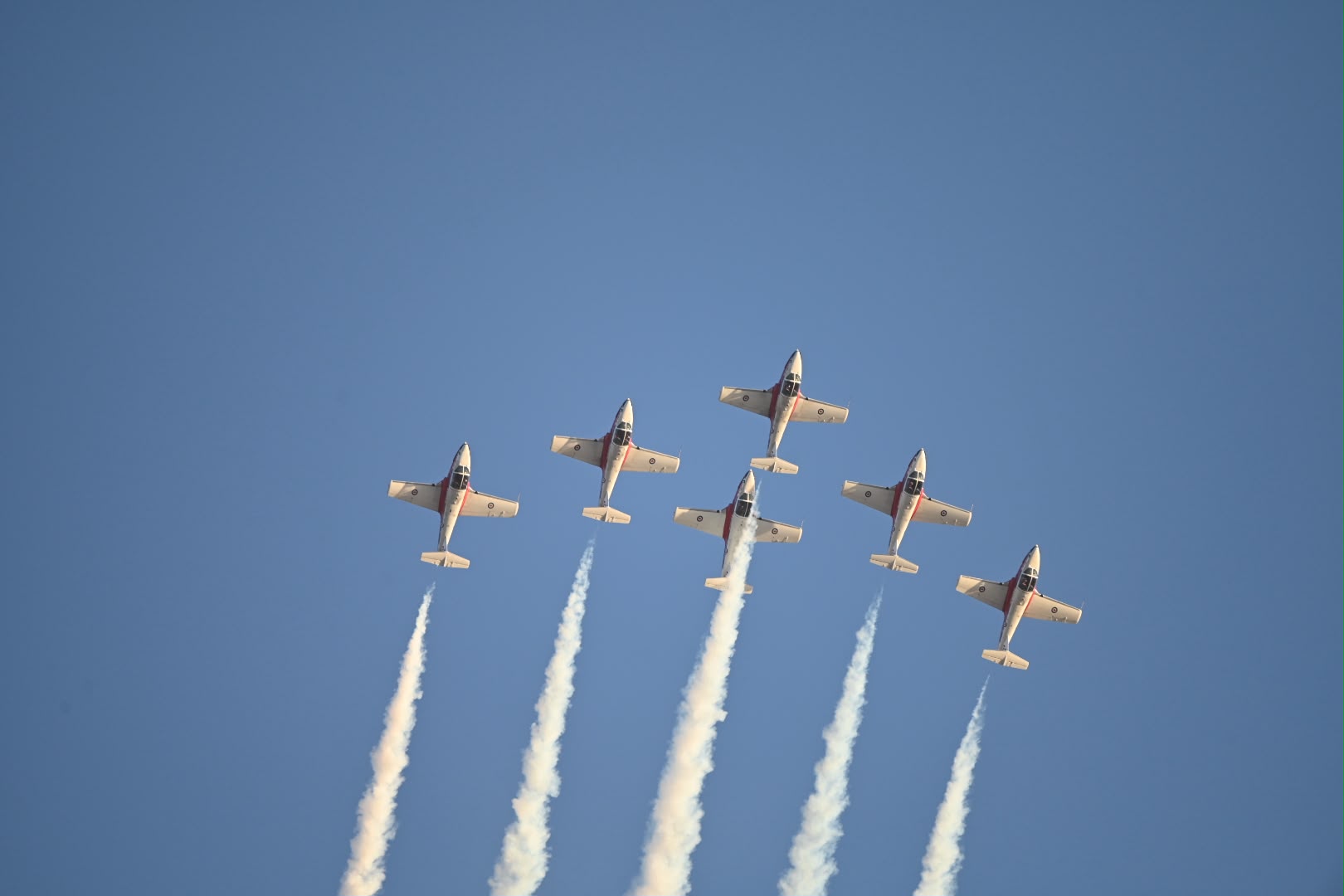
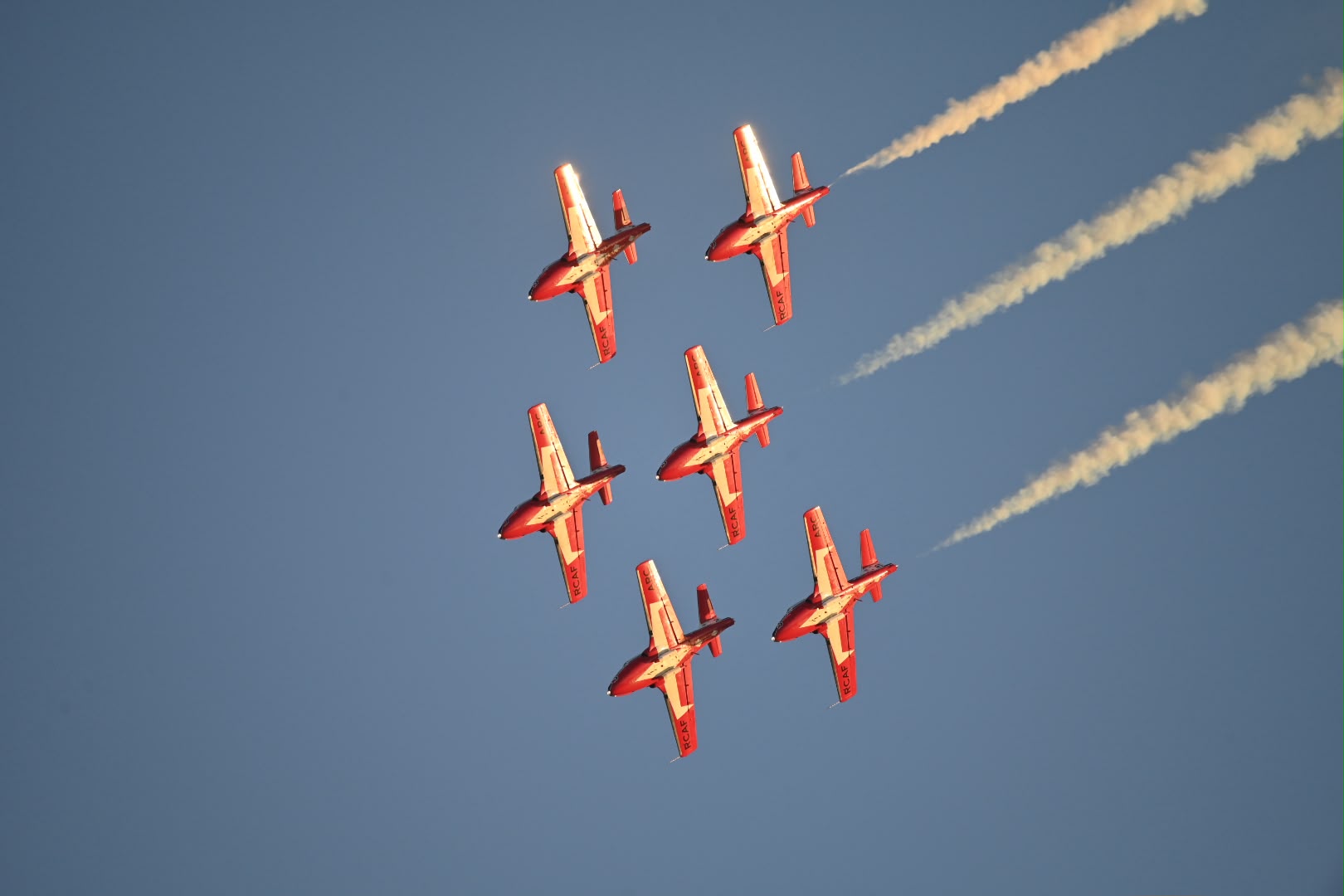
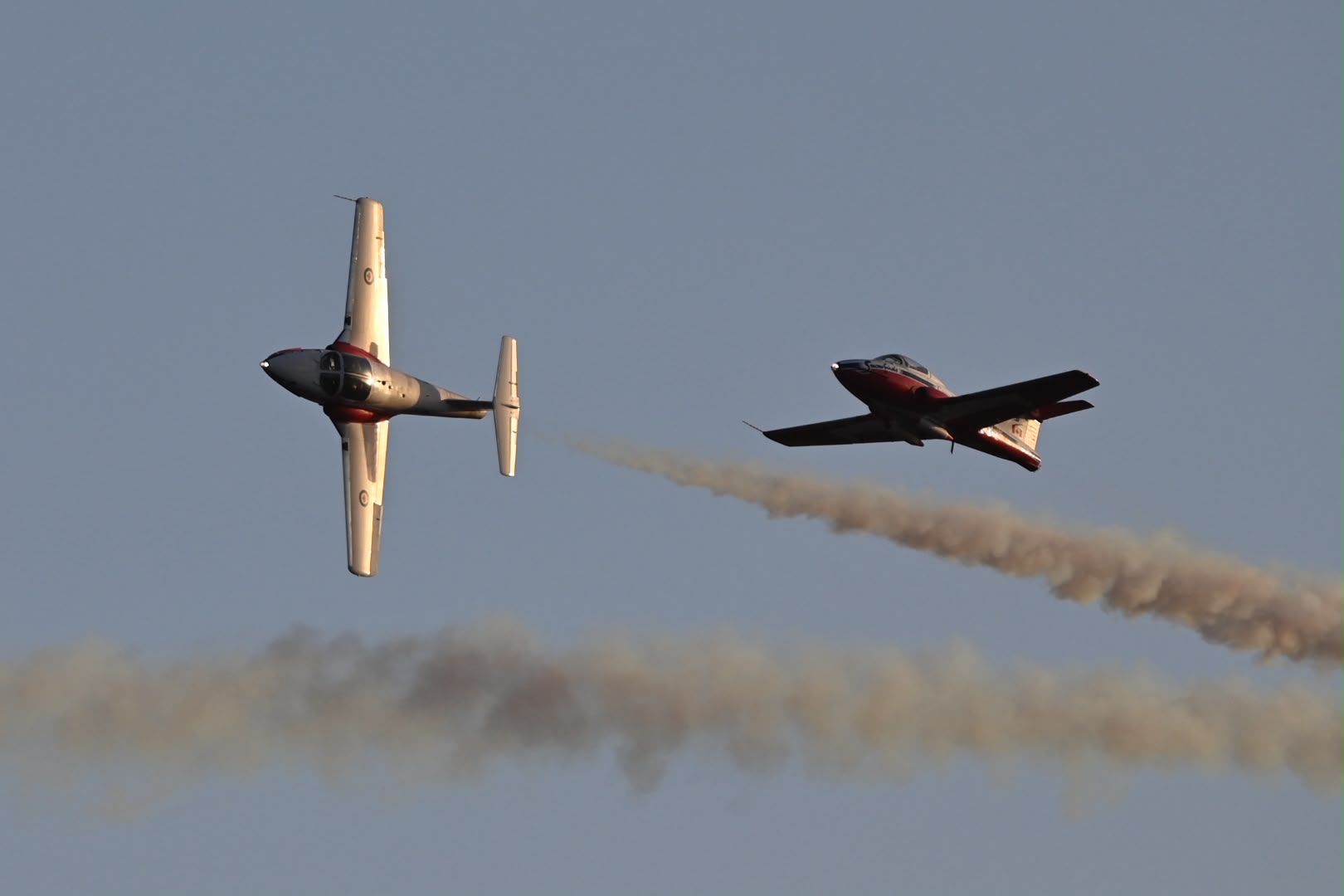
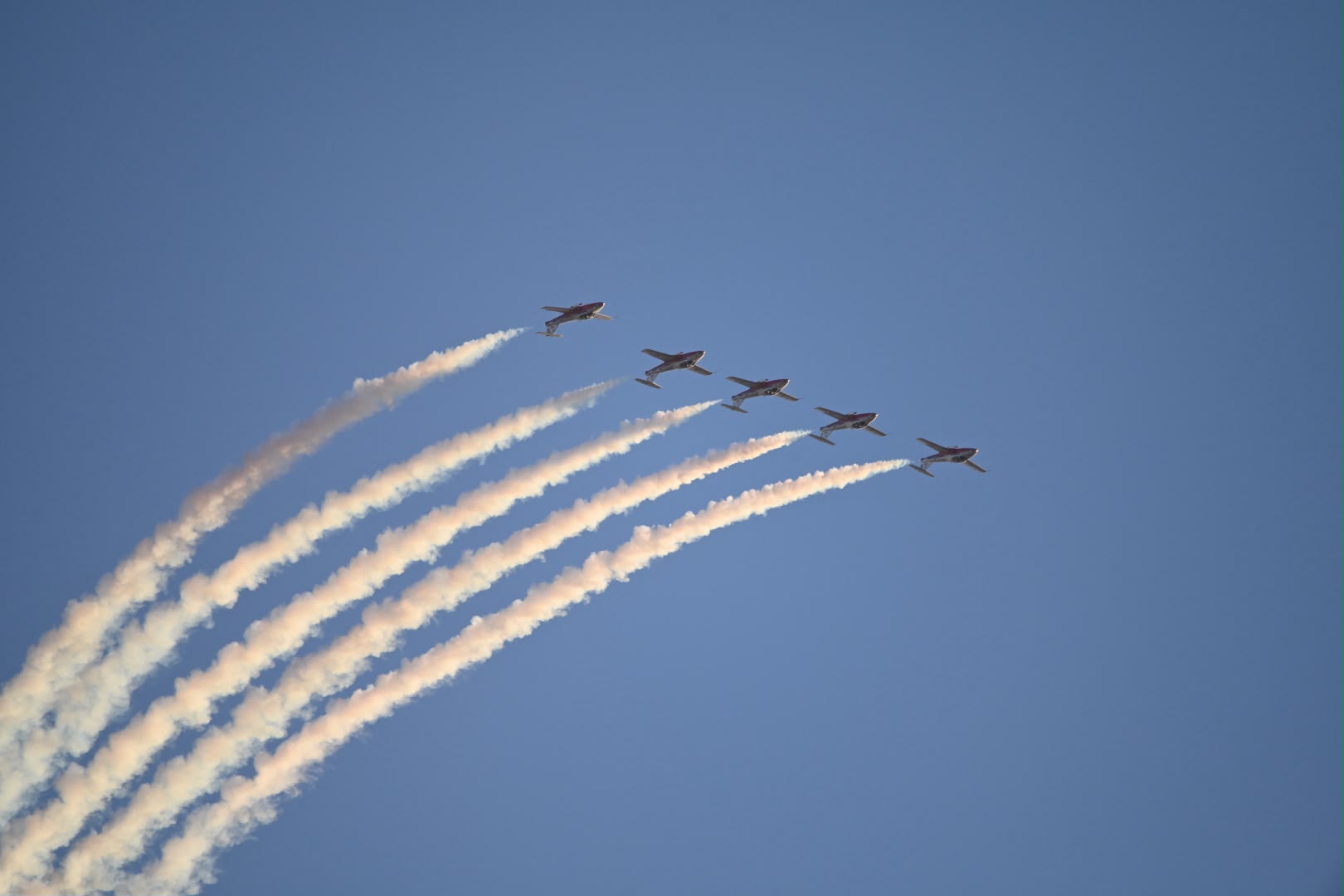
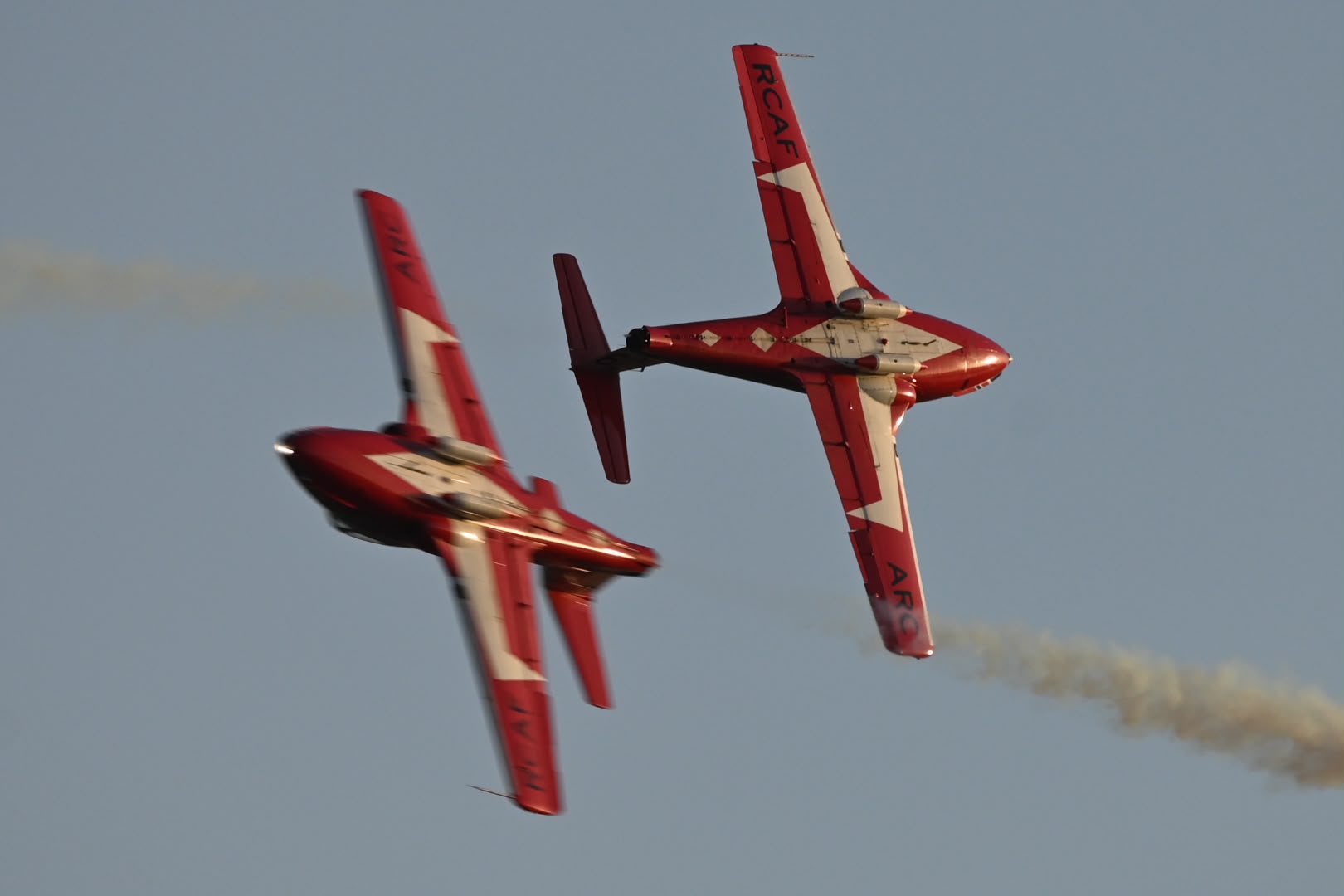
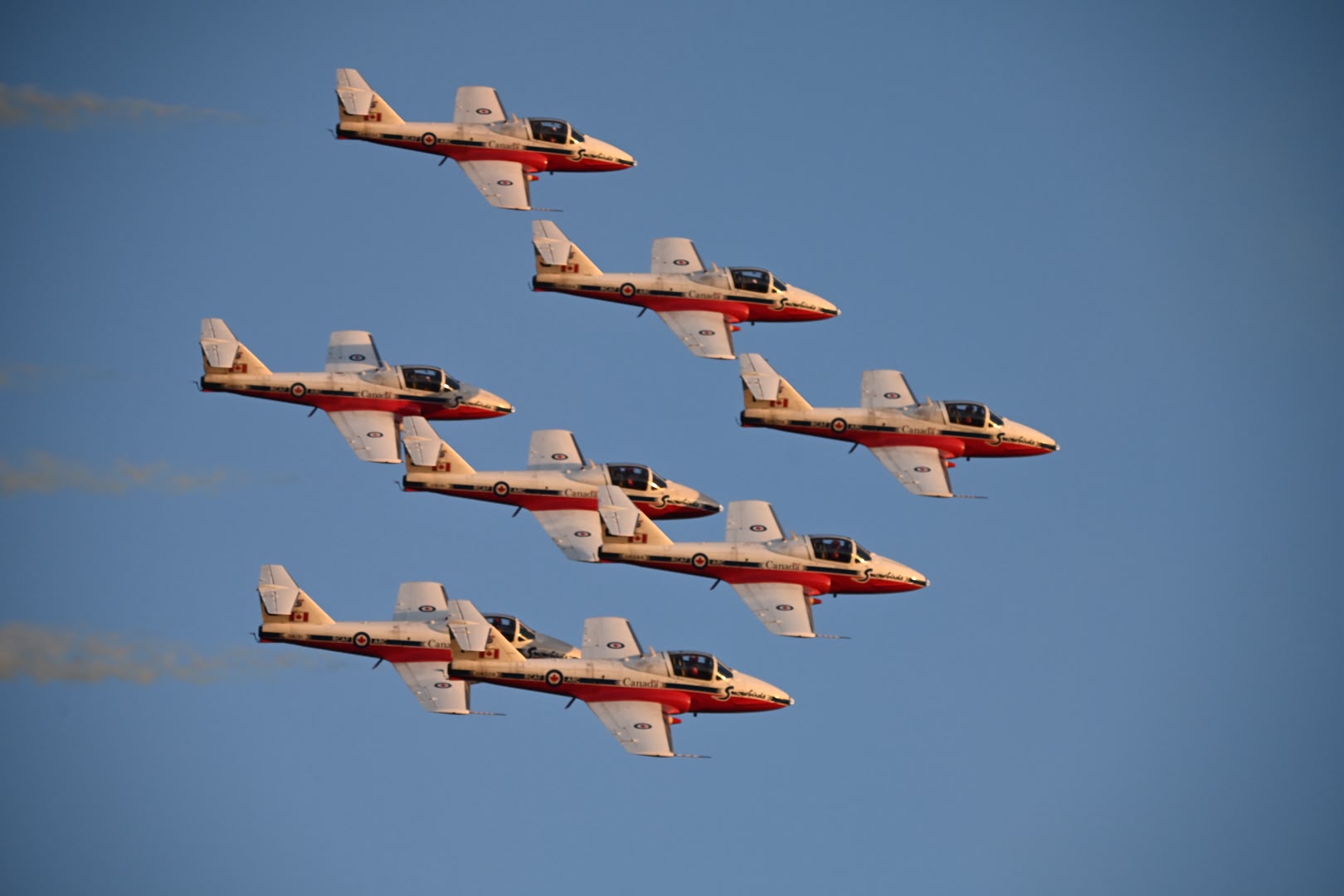
The Canadian Forces Snowbirds marked the end of an era on Friday, October 16, with their final home-closing air show using the iconic CT-114 Tutor aircraft at 15 Wing Moose Jaw, Saskatchewan. Aviation photographer Martin Gillet captured the occasion as the Royal Canadian Air Force’s aerobatic team prepared to say goodbye to the jets that have defined its performances for decades.
The performance, traditionally held to thank the families and friends who support the team throughout the season, was not open to the public. Canadians were nevertheless invited to watch the historic occasion through a livestream, allowing aviation enthusiasts across the country to share in the farewell.
The CT-114 Tutor entered Royal Canadian Air Force service in 1963 as a jet trainer, while the Snowbirds first took to the skies in formation in 1971. Since then, the aircraft have become synonymous with the team’s precision flying and distinctive red-and-white livery, representing Canadian military aviation at air shows across the country and internationally.
The 2026 season marks the end of the Tutors’ operational career with the Snowbirds. The aircraft are due to be replaced by the new CT-157 Siskin II, with the transition expected to leave the team without its usual air show performances for several years. The Snowbirds are expected to remain based at 15 Wing Moose Jaw, with a return to flying performances anticipated in the early 2030s.
Martin Gillet’s photographs document a significant moment in the history of the Canadian Forces Snowbirds, bringing the Tutor era to a close while the team looks ahead to its next generation of aircraft.
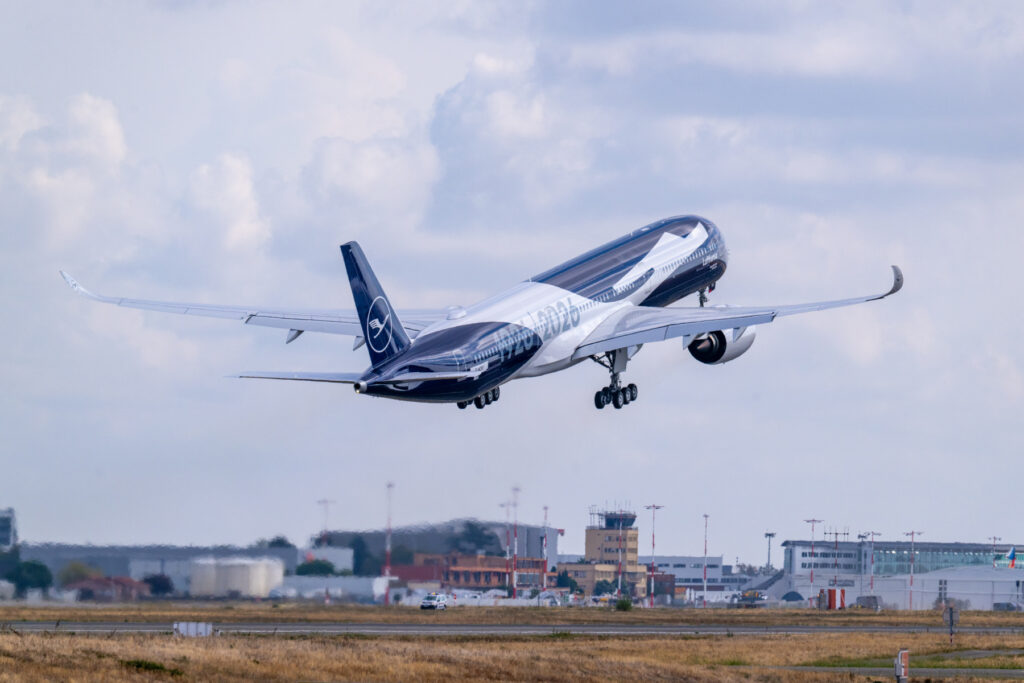
Lufthansa plans to introduce its first Airbus A350-1000 on the Munich–Tokyo Haneda route on 3 December 2026, following delivery from Toulouse in mid-November. Shanghai and Singapore will follow in subsequent weeks, with the larger aircraft alternating with Allegris-equipped A350-900s.
Registered D-AIFA and named Deutschland, the aircraft will feature Lufthansa’s four-class Allegris cabin. It offers two individual First Class suites and a double-occupancy Suite Plus, 49 Business Class seats—including eight in suites—35 Premium Economy seats and 212 Economy seats. Lufthansa says the aircraft provides 40% more Business and Premium Economy seats.
The delivery will mark the 700th Airbus aircraft handed over to Lufthansa Group. It will also be the seventh aircraft in the airline’s centenary fleet to carry a special anniversary livery.
Lufthansa Group has ordered 15 A350-1000s for delivery by 2030. The first ten will operate for Lufthansa from Munich, supporting the hub’s premium long-haul offering.
Powered by Rolls-Royce Trent XWB-97 engines, the A350-1000 uses advanced aerodynamics and lightweight materials. Lufthansa cites a 25% reduction in fuel consumption and CO? emissions compared with previous-generation aircraft.
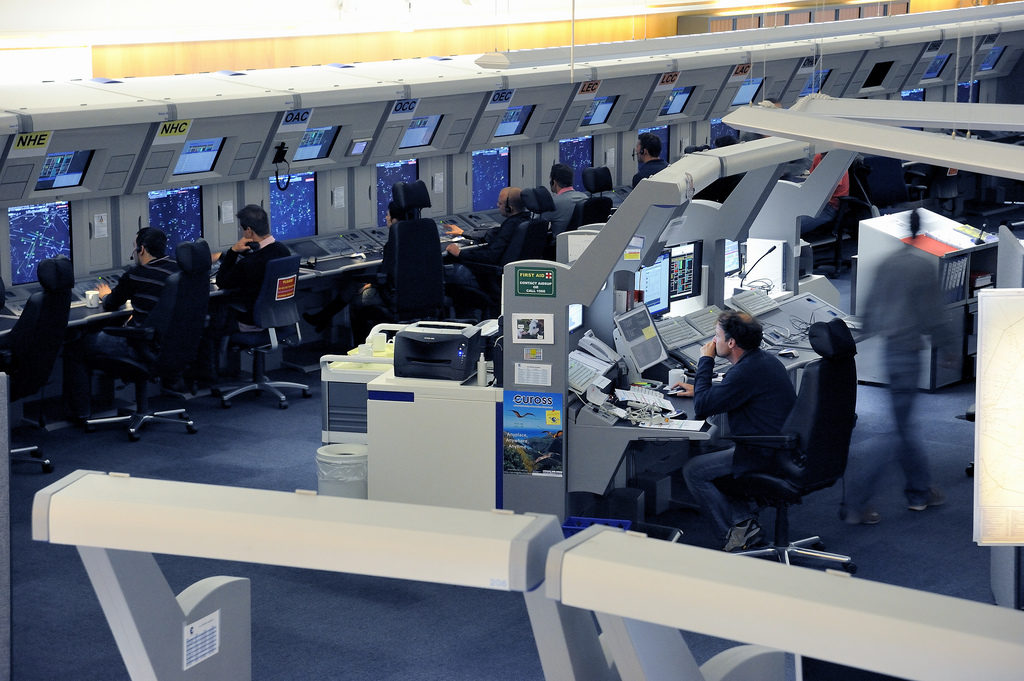
EUROCONTROL’s Maastricht Upper Area Control Centre (MUAC) handled 842,259 flights between May and September 2026, with traffic broadly unchanged from a year earlier, while reducing MUAC-attributable delays by more than half.
Some 98.4% of flights crossed its airspace without any delay attributable to the centre. Most affected flights experienced delays of less than 15 minutes. MUAC credited coordinated traffic management, improved traffic distribution, workforce planning and generally favourable weather, and expects to finish the year comfortably within its EU delay target.
July was the busiest month, with 174,056 flights. The busiest day was 10 September, when controllers managed 5,619 flights. MUAC reported no severity A or B safety events so far this year.
The centre also highlighted reliable technical systems and controller–pilot datalink use, with log-on rates reaching up to 80%. More direct routings offered through its ATM Portal generated an estimated saving of approximately 512 tonnes of CO? during the peak season.
MUAC said its controller-training programme, developed with GATE Aviation Training in Copenhagen, was progressing and supporting its longer-term staffing needs.