Atlantic Airways has placed a firm order for two additional Airbus A320neo aircraft as it moves towards an all-A320neo fleet.
The Faroe Islands’ national carrier currently operates four A320 Family aircraft: two A320ceos and two A320neos. The purchase supports fleet renewal and is intended to simplify maintenance and improve operational consistency.
Chairman Niels Mortensen said the agreement marks a significant step towards the airline’s ambition to operate A320neos exclusively in the near future.
Airbus says the A320neo offers at least 20% lower fuel consumption and CO? emissions than previous-generation single-aisle aircraft.
Neither delivery dates nor financial terms were disclosed.
An investigation remains ongoing one year after a ground crew member suffered serious leg injuries when a Brussels Airlines aircraft began rolling following pushback at Birmingham Airport.
The incident occurred on 24 October 2025 and involved Airbus A319 OO-SSF. According to the UK Air Accidents Investigation Branch (AAIB), the tug had been disconnected and moved away when the aircraft started to roll, injuring the headset operator.
France’s aviation safety investigation authority, the BEA, confirmed that the injured worker was a member of the pushback team.
Aviation Safety Network records identify the aircraft as an A319-111 operating flight SN2048 and place the incident at gate 41. No fatalities or aircraft damage were reported.
The AAIB has not established the cause of the movement or assigned responsibility. Investigators are examining possible technical, operational, human and organisational factors, with a final report to be published once the inquiry is complete.
At Aviation24.be, we have always been committed to delivering independent, high-quality aviation news for enthusiasts, professionals, and travelers alike. But the reality is becoming increasingly challenging.
Across the media landscape, advertising revenues are declining sharply, while the costs of running a professional news platform continue to rise. Software, hosting, IT, marketing, attending press events, purchasing image rights, and maintaining reliable journalistic standards — these are vital investments that ensure quality reporting, yet they come at a growing cost.
“My team and myself have been following the aviation industry for decades, and we believe independent news is more important than ever,” says Bart Noëth, owner and co-editor of Aviation24.be. “We want to continue delivering unbiased reporting, insightful analysis, and behind-the-scenes coverage—but doing so requires resources that are harder to secure in today’s market.”
To preserve the independence of our journalism and to keep our readers informed, we are actively seeking partnerships and sponsorships from aviation-related companies, organizations, and institutions who share our values.
By advertising or sponsoring content on Aviation24.be, you’re not only supporting independent journalism, but also reaching a highly targeted audience of aviation professionals, industry insiders, and passionate travelers across Europe.
We believe that collaboration between media and industry can be mutually beneficial — providing visibility and engagement opportunities for our partners while safeguarding the editorial independence that our readers trust.
Bart adds: “This is not just about keeping a website running — it’s about preserving a trusted voice in European aviation journalism. Every article, every update, every investigation requires time, effort, and resources. Corporate support helps us continue our mission — responsibly, transparently, and independently.”
If your company would like to support independent aviation media, we would be happy to discuss sponsorship opportunities, advertorial collaborations, and targeted advertising options. Together, we can ensure that Aviation24.be remains a reliable, respected, and independent source for aviation news.
Passengers aboard a Ryanair Boeing 737-800 spent almost eight hours travelling across Europe on Saturday, 24 October, only to return to their original departure airport in Spain. Flight FR2954, registration 9H-QDK, was scheduled to fly from Alicante to Cornwall Newquay Airport, but severe weather associated with Storm Austen prevented the aircraft from landing in southwest England.
The aircraft departed Alicante at around 18:36 local time, approximately an hour behind schedule. After approaching Newquay, the crew abandoned the landing due to strong winds and diverted to Dublin, where the aircraft landed at around 20:52 local time. Passengers remained on board while Ryanair arranged a revised plan. At around 22:34, the aircraft departed Dublin as flight FR2955, bound for Bristol, from where passengers were expected to continue their journey to Cornwall by bus.
However, weather conditions also prevented the aircraft from landing at Bristol. The crew subsequently turned back towards Alicante, where the Boeing 737 landed at approximately 02:15 on Sunday, 25 October. The aircraft had travelled between Spain, Ireland and England without delivering its passengers to their intended destination. According to media reports, passengers were accommodated in a hotel following their return to Spain.
The aircraft’s return to Alicante also allowed Ryanair to reposition it at its operating base ahead of subsequent scheduled services.
Sources: PYOK, One Mile at a Time, aeroTELEGRAPH and flight-tracking data.
A Jet2 Boeing 737-800 briefly veered off the runway while landing at Birmingham Airport, United Kingdom on Sunday, 25 October, amid strong winds associated with Storm Boelo. Flight LS1310, registration G-JZHE, was arriving from Venice Marco Polo Airport when it landed on Runway 33 at approximately 14:19 local time.
Footage circulating on social media (see below) shows the aircraft moving towards the left edge of the runway after touchdown, with its left main landing gear crossing onto the grass before the aircraft returned to the paved surface. The flight was operating under the callsign EXS4FX.
Jet2 confirmed that the aircraft temporarily moved off the runway due to exceptional weather conditions caused by Storm Boelo. The aircraft returned to the runway and taxied to its stand, where all passengers disembarked normally. No injuries were reported. The precise circumstances of the incident and any possible aircraft damage have not been confirmed.
WATCH: Another angle of yesterday’s Jet2 Boeing 737-800 (G-JZHE), operating flight LS1310 from Venice, shows the moment it veered off the runway at Birmingham Airport, UK.
Crosswind landings require precise control inputs, especially during the flare and the transition to ground roll.
During the flare, the pilot uses the rudder to align the aircraft’s nose with the runway while applying opposite aileron as needed to prevent the upwind wing from lifting. In this case, right rudder would be required if the aircraft needed to yaw to the right to align with the runway.
Timing is critical. Correcting too early or using the wrong combination of rudder and aileron can cause lateral drift. At touchdown, the aircraft should be aligned as closely as practicable with the runway centerline.
Once on the ground, rudder effectiveness decreases as speed reduces. Nose-wheel steering, linked to the rudder pedals on the 737, helps maintain directional control during the rollout. However, strong crosswinds and sudden gusts can make the aircraft difficult to keep aligned.
Birmingham Airport (BHX) is known for challenging crosswind conditions, and the recent Storm Boelo and Austen affecting the UK made these conditions even more demanding.
Something worth noting: if the pilot transitions from the rudder pedals to the toe brakes and releases some right-rudder input before directional control is fully established, that could affect the aircraft’s alignment. However, the footage alone is not enough to confirm the exact control inputs or establish the cause of the runway excursion.
Had the aircraft struck the elevated runway edge lights or other hard objects, the landing gear tire could have burst immediately! I am sure there are deep cuts on the left main gear tire and some flat spots due to excessive braking.
After such an incident, the crew normally reports the occurrence through the operator’s safety reporting system and files an Air Safety Report. The aircraft would also require an appropriate inspection before returning to service, with the extent of the checks determined by the event and the applicable maintenance procedures. The CAA will be involved locally.
I have seen instances where, after an incident, pilots simply park the aircraft at the gate and leave without filing a report to cover themselves, which is bad practice. During inspection, maintenance finds out, and then they are in trouble.
Video from the UK-Aviation-Spotter link in the first comment.
Four pilots were killed when two Philippine Air Force SF-260 trainer aircraft collided in mid-air at Fernando Air Base, south of Manila, on Friday afternoon.
Both single-engine propeller aircraft came down within the base perimeter, with no casualties reported on the ground, Air Force spokesman Colonel Alvin Capinguian said in a statement released on Saturday.
The air force has opened an investigation into the collision and temporarily grounded its SF-260 fleet as a precaution. The circumstances of the accident have not been established.
The crash follows another fatal SF-260 training accident in May, when two military pilots were killed in Benguet province in the northern Philippines.
Four pilots killed in a midair collision in the Philippines, involving two Air Force SIAI-Marchetti SF.260 trainers. The aircraft were taking part in a formation exercise when the accident occured, planes went down near Lipa City, Batangas. @aero_in
https://t.co/NI5buurCla
— Francisco Cunha – ?? Aviation et al (@OnDisasters) October 24, 2026
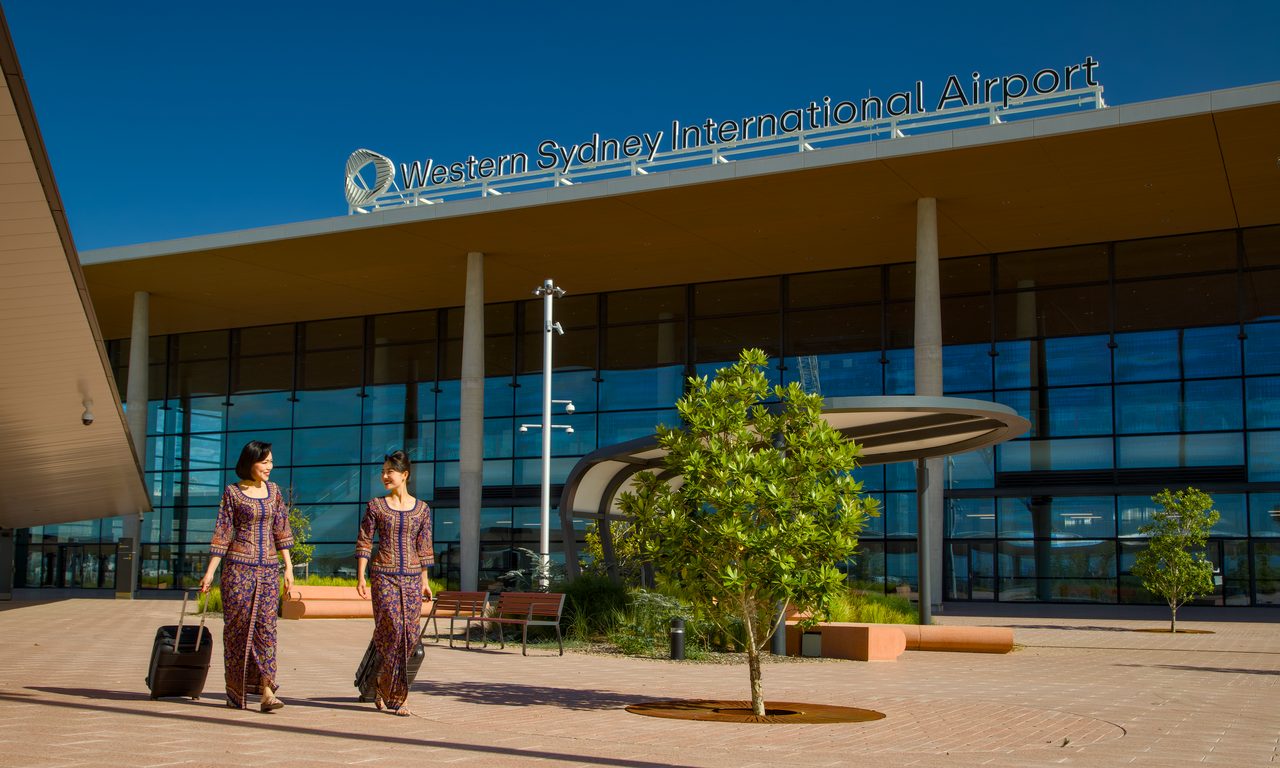
Western Sydney International Airport opened to passengers on Sunday, 25 October, with a sold-out Jetstar service to the Gold Coast marking its first commercial departure.
Flight JQ362 took off shortly before 11:30 local time, following the opening of check-in at 08:00. A return service from the Gold Coast was scheduled to arrive at 15:00, followed by the airport’s first Melbourne departure at 18:00.
Located at Badgerys Creek, approximately 45 kilometres from central Sydney, the airport operates around the clock, offering an alternative to the curfew-restricted Sydney Kingsford Smith Airport. Cargo operations began in July.
Chief executive Simon Hickey described the opening as a generational change for Australian aviation. The initial terminal can handle about ten million passengers a year, a level the airport expects to reach in the early to mid-2030s.
Longer-term development, including additional terminals and a second runway, could increase capacity to 82 million passengers a year in the 2060s. These figures represent potential future capacity rather than opening-year traffic forecasts.
Hickey said passengers could have access to more than 250 destinations through connecting airline networks within just over a year. That figure includes onward connections and does not represent the number of nonstop routes from Western Sydney.
Approximately 10,000 people worked on the airport’s construction, around half from Western Sydney. The airport estimates that up to 8,500 jobs will support operations across the precinct once annual passenger numbers reach ten million.
Airbus expects the worldwide dedicated freighter fleet to grow from 2,360 aircraft in 2026 to 3,460 by 2045, an increase of approximately 46%, driven by fleet replacement and expanding air cargo demand.
Its 2026 Cargo Global Market Forecast, presented at the Cargo Facts Symposium, estimates a requirement for 2,670 freighter deliveries over the period. Replacements will account for 1,580 aircraft, with a further 1,090 supporting growth.
Passenger-to-freighter conversions are expected to supply 1,700 aircraft, compared with 970 new-build freighters. By size, demand comprises 1,140 single-aisle aircraft, 860 medium widebodies and 670 large widebodies.
North America will lead demand with 925 deliveries, followed by Asia-Pacific with 850. Together, the regions represent approximately two-thirds of the total. Europe and the CIS will require 515 aircraft, Latin America 165, the Middle East 125 and Africa 90.
Airbus forecasts annual air cargo traffic growth of 3.2% over the next two decades, outpacing projected global trade growth of 2.9%. It identifies e-commerce, high-value technology shipments and the use of air freight as an alternative to maritime transport among the principal drivers.
Asia-Pacific is expected to remain the leading region for international air cargo traffic, with North American connections forming the largest market. Airbus sees opportunities for its A350F and passenger-to-freighter conversions across the A320, A321 and A330 families as operators replace older aircraft.
American Airlines reported record third-quarter revenue of US$16.3 billion, up 19.3% year-on-year, but higher fuel costs pushed the group to a net loss of US$269 million.
The airline’s fuel bill increased by US$1.9 billion, or 67.5%, compared with the third quarter of 2025. Its adjusted net loss was US$182 million, while unit costs excluding fuel and special items rose by 3%.
Revenue growth extended across cabins and markets. Premium revenue increased by 22.9% and Main Cabin revenue by 19.5%, while total revenue per available seat kilometre rose by 14.5%. International passenger unit revenue grew by 16.4%, led by Latin America, ahead of a 13.6% increase domestically.
Business travel also remained strong, with managed corporate revenue rising by 27.6%, its sixth consecutive quarter of double-digit growth. Enrolments in the AAdvantage loyalty programme increased by 27.4%.
American is continuing investment in premium seating, lounges and onboard technology. It plans to extend Starlink connectivity across its entire mainline fleet of more than 1,000 aircraft and introduce seatback entertainment on new narrowbody deliveries from 2028. A narrowbody retrofit programme is intended to raise premium seating to 40% of seats in the coming years.
The group ended September with US$11.8 billion in available liquidity. It expects its efficiency programme to deliver nearly US$1 billion in annualised savings by the end of 2026.
For the fourth quarter, American forecasts revenue growth of 19.5–22.5%, but anticipates a further US$2.8 billion year-on-year increase in fuel expense, based on the forward fuel curve as of 19 October. Elevated fuel prices are also expected to slow network growth in 2027 compared with 2026.
Storm Austen disrupted air travel across Western Europe on Friday, 23 October, forcing cancellations in the Channel Islands, France and the Netherlands, while flights bound for Paris and Brussels were diverted to alternative airports.
The disruption varied considerably between airports. Channel Island services were particularly badly affected, while larger hubs continued operating with adjustments. No consolidated Europe-wide cancellation total was available in the reports reviewed.
Channel Islands and French airports hit
Jersey recorded 41 cancelled flight movements on Friday—22 departures and 19 arrivals—according to an assessment of the airport’s published flight boards by aviation publication Aerosillage. Guernsey also experienced extensive disruption, with operations resuming on Saturday. Jersey authorities had issued a red wind warning ahead of the storm, forecasting gusts of approximately 61–70 knots.
In western France, the same assessment recorded 11 cancelled movements at Brest and three at Caen, while Transavia departures from Nantes were also affected. These airport-level figures represent individual arrivals and departures, rather than return journeys, and are not a comprehensive regional total.
Paris Charles de Gaulle experienced diversions as the weather crossed northern France. French Transport Minister Philippe Tabarot reported aircraft being redirected to Paris Orly, with further diversions to other airports anticipated. Reuters
Brussels receives diverted aircraft
Brussels Airport both received diverted flights and lost an incoming service to another airport. A Brussels Airlines flight from Marseille diverted to Amsterdam Schiphol, while several aircraft originally bound for French airports landed at Zaventem instead, according to airport spokeswoman Ihsane Chioua Lekhli, quoted in reporting sourced to HLN.
The available reporting does not establish a storm-related cancellation total for Brussels Airport or Brussels South Charleroi. Diversions should therefore be distinguished from cancellations, and the disruption should not be interpreted as a general closure of Belgian airports.
KLM cuts flights as unsettled weather continues
KLM cancelled 20 flights on Friday and announced a further 22 cancellations for Saturday because of strong winds in the Netherlands, an airline spokesperson told Reuters. Schiphol nevertheless reported limited overall disruption at the time, with no other airlines cancelling flights for the same weather conditions.
The difficult conditions were not confined to the airfield: disrupted rail services, fallen trees and road restrictions also complicated journeys to airports. A second storm, Boelo, was forecast to affect Northern Ireland, Scotland and parts of northern England over the weekend, creating a further risk of disruption as airlines worked to restore their schedules.
Romanian carrier seeks protection from creditors as total liabilities reach €25.4 million; flight operations face uncertainty
Romanian airline Dan Air has filed for insolvency proceedings at the Ilfov Tribunal, citing mounting financial pressure and an approximately €10 million debt owed to Romania’s Environmental Fund Administration (AFM).
The application was submitted on 22 October 2026, making Dan Air the second Romanian airline to seek insolvency protection in recent weeks, following similar developments involving AnimaWings.
According to Romanian media reports, Dan Air’s total liabilities reached RON 126.3 million (€25.4 million) at the end of 2025, up from approximately RON 90.2 million (€18.1 million) a year earlier.
€10 million carbon emissions debt
Dan Air chief executive Matt Ian David said the insolvency application was intended to protect the airline from enforcement proceedings over a debt of approximately €10 million owed to the AFM.
The obligation relates to carbon emissions allowances required under environmental regulations applicable to airlines.
David said the company had discussed the situation with its aircraft lessors and other business partners, adding that agreements had been reached to support continued operations.
He attributed the airline’s financial difficulties in part to soaring fuel costs, explaining that the company had prioritised purchasing fuel to operate scheduled flights rather than settling the outstanding environmental obligations.
Flight operations disrupted
Despite initially stating that the insolvency filing would not affect its flight schedule, Dan Air subsequently suspended its flights, according to Romanian media reports.
The airline indicated that it intended to resume operations from 25 October under a revised schedule. The resumption and the status of individual flights remain subject to confirmation by the carrier.
Passengers booked on Dan Air services should check directly with the airline for the latest information regarding cancellations, rescheduled departures and possible refunds.
Insolvency does not automatically mean bankruptcy
The filing of an insolvency application does not, by itself, mean that a company has entered liquidation or that it must immediately cease trading. The court must first decide whether to open proceedings.
Dan Air’s application seeks protection from creditors and the opportunity to address its financial obligations. The outcome will depend on the court’s decision and the company’s ability to maintain operations while dealing with its liabilities.
Founded in 2017, Dan Air operates scheduled services from Romania, including routes associated with Bucharest and Bac?u airports. The airline previously operated scheduled flights from Bra?ov-Ghimbav International Airport before moving its main operating base to Bac?u.
Another challenge for Romanian aviation
Dan Air’s financial difficulties follow the recent insolvency proceedings involving AnimaWings, highlighting mounting pressure on parts of Romania’s aviation sector.
The two cases remain legally distinct, and insolvency proceedings do not necessarily lead to the same outcome. However, Dan Air’s ability to secure support from its lessors, restore its flight schedule and reach an agreement with creditors will be crucial to its future.
Sources: Profit.ro, Ziarul Financiar and Romanian media reports published on 22–23 October 2026.
Jetstar and Qantas have banned an Australian social media personality from flying with their airlines after he deliberately inflated an emergency life jacket during a pre-flight safety demonstration aboard a Jetstar flight from Sydney to Adelaide.
Hugh Lovett, one of the four brothers behind the Australian TikTok account The Lovetts, pulled the inflation cord on his life jacket aboard flight JQ768 on 16 October. The incident was filmed and subsequently shared on social media, showing the vest rapidly inflating as the recorded safety briefing instructed passengers to inflate their life jackets only after leaving the aircraft. The stunt reportedly formed part of content created for the brothers’ social media account.
Australian Federal Police officers met the aircraft after it arrived in Adelaide and escorted Lovett from the aircraft. The Qantas Group subsequently imposed a ban preventing him from travelling on both Qantas and Jetstar services. The duration of the ban has not been disclosed.
A Jetstar spokesperson said passengers are legally required to follow crew safety instructions and must not remove or tamper with emergency equipment unless instructed to do so. The airline added that it has zero tolerance for behaviour that puts passengers or crew at risk.
Emergency life jackets are designed to be inflated only after passengers have exited an aircraft during an evacuation over water. Inflating one inside the cabin can restrict movement, obstruct access to emergency exits and potentially slow the evacuation process. In the event of flooding, the buoyancy of an inflated vest can also make it more difficult for a passenger to move underwater towards an exit.
The Flemish Government has invoked a conflict of interest against the proposed changes to flight procedures at Brussels Airport, introduced by federal Mobility Minister Jean-Luc Crucke, arguing that the measures could shift aircraft noise from Brussels to the Flemish Rand. The decision was announced on Friday, 23 October, by Flemish Minister-President Matthias Diependaele. Referring the matter to Belgium’s Consultative Committee (Overlegcomité) suspends the implementation of Crucke’s decision for 60 days, a period that can in principle be extended by a further 60 days.
Crucke presented his plan earlier this month with the aim of reducing aircraft noise over northern Brussels. Under the proposal, aircraft arriving via runway 07L would enter Brussels airspace at a higher altitude and follow a steeper approach. The plan also includes changes to the wind criteria governing runway use, potentially reducing the number of aircraft using the 07L approach. However, the Flemish Government argues that changing these criteria could redirect traffic and noise towards other areas, including the northern and eastern outskirts of Brussels in Flanders.
“Those who share the benefits of the airport must also help distribute the burden fairly,” Diependaele said, insisting that the consequences of changes to flight procedures must be thoroughly assessed, with aviation safety and the interests of residents taken into account. He also criticised the lack of prior consultation between the federal and regional authorities, arguing that a balanced distribution of aircraft noise is essential.
Flemish Minister for the Environment Jo Brouns also opposed measures that could transfer noise pollution to the Flemish Rand or interfere with the ongoing procedure for a new environmental permit for Brussels Airport. Flemish Minister Ben Weyts had already threatened to invoke a conflict of interest earlier this month following the presentation of Crucke’s plans.
The dispute adds another layer to the long-running debate over the distribution of aircraft noise around Brussels Airport, which is located in Flanders but serves the wider Brussels region and Belgium’s international transport network. The Flemish Government says it wants the different authorities to consult one another before changes are implemented.
Sources:VRT NWS (Rik Arnoudt) and Het Laatste Nieuws (Laura Hamers), 23 October 2026. Aviation24.be reporting, including previous coverage of federal plans to reduce aircraft noise over Brussels and their potential impact on the surrounding regions.
Brussels Airport will add eight manual border-control positions for arriving passengers by the end of 2026 and install six additional electronic gates in early 2027, as long waiting times linked to the European Entry/Exit System (EES) continue to disrupt passenger flows. The latest investment comes despite an earlier expansion of border-control infrastructure, with the airport saying that processing times under the new system remain significantly longer than anticipated. Brussels Airport is also pointing to unresolved technical problems affecting government-supplied registration equipment and calling for further action by European authorities.
The EES introduces digital registration of non-EU nationals travelling into and out of the Schengen Area, including the collection of facial images and fingerprints. According to Brussels Airport, the additional procedures have substantially increased the time required to process arriving passengers. During morning peak periods, the average processing time for each arriving visa passenger is now two to three times longer than before the system’s introduction. The airport says this has resulted in long queues at border control, with waiting times of two to four hours regularly reported at airports across Europe. After a slight improvement in August, waiting times at Brussels Airport increased again in September as biometric registration activity rose.
The airport had already increased the number of manual border-control positions by 20 per cent at arrivals and 25 per cent at departures during 2025, ahead of the EES rollout. These increases exceeded passenger traffic growth, but have proved insufficient to offset the longer processing times. The eight additional positions planned for December will increase arrival border-control capacity by 66 per cent, according to the airport. This means manual capacity at arrivals will have doubled within 12 months. The airport says the new positions must still be brought into operation in consultation with the authorities and other partners involved.
A further six electronic gates, ordered from the Federal Police in May 2026 and scheduled for delivery in early 2027, are expected to increase e-gate capacity at arrivals by 50 per cent. However, access to automated border checks remains restricted for some non-European travellers. Certain nationalities that could previously use e-gates are no longer eligible to do so under the new procedures, while other passengers must first complete EES registration.
Government registration technology still not operational
One of the more significant problems highlighted by Brussels Airport concerns 60 pre-registration kiosks purchased last year to help travellers complete EES registration before reaching a manual border-control desk. The kiosks were intended to reduce the workload at staffed counters and allow eligible non-EU nationals to use electronic gates.
Although the competent authorities decided before the summer that travellers from certain non-European countries could use the system, Brussels Airport says technical problems involving government suppliers mean the kiosks are still not operational. The airport expects the technology to help reduce queues, particularly for departing passengers, once it becomes available. On arrival, however, access to e-gates remains limited to certain nationalities and travellers already registered in the EES.
Airport calls for changes at European level
Brussels Airport is also calling for improvements to the implementation of the EES at European level, backing demands from Airports Council International Europe (ACI Europe) and Airlines for Europe. Proposed measures include optimising biometric checks and introducing a widely available application through which travellers could register in advance. Brussels Airport says only Sweden and Portugal currently offer such an application, and that a suitable solution should also be available in Belgium.
The airport further argues that authorities should retain sufficient flexibility to respond when queues become excessive. One measure it supports is the temporary suspension of biometric registration during periods of severe congestion, while maintaining the necessary security checks.
The expansion plans underline the operational challenge facing Brussels Airport as the EES becomes part of routine border processing. While additional counters and electronic gates should increase capacity, the airport’s own assessment indicates that infrastructure alone will not resolve the problem. The timely introduction of the delayed registration technology, wider access to automated checks and changes to the system’s implementation will also be necessary if waiting times are to return to acceptable levels.
Brussels Airport says it is working with the relevant authorities and government departments through a dedicated steering group, with the stated objective of maintaining secure and accurate border checks while reducing delays for passengers.
Waves crash against concrete wave breakers along the coast as Typhoon Champi approaches Taiwan, in Keelung on October 23, 2026. I-HWA CHENG / AFP
Typhoon Champi has disrupted air travel across Taiwan, forcing the cancellation of more than 600 flights on Friday, 23 October, as authorities prepare for strong winds and torrential rain. All 262 domestic flights and more than 350 international services were cancelled, according to Taiwan’s transport ministry. Schools and offices were also closed across most of the island, while financial markets suspended trading.
The storm, which previously reached super-typhoon strength with winds approaching 300 km/h, has weakened but remains dangerous. Taiwan’s Central Weather Administration placed its centre approximately 330 kilometres east of the island’s southern tip on Friday, with gusts of around 191 km/h reported near the storm’s centre. Champi is expected to pass off northeastern Taiwan before turning towards the Chinese coast and eventually southern Japan, although its large circulation continues to affect a broad area.
The disruption extends beyond Taiwan. Airlines have cancelled or rescheduled services linking Taiwan with Japan, while carriers including HK Express have suspended flights between Hong Kong and Taiwanese destinations. Japan has also experienced flight cancellations and power outages as the storm approaches its southwestern islands. Authorities in Taiwan reported at least one death and dozens of injuries as of Friday, with evacuations carried out in areas at risk from flooding and landslides. Airlines are advising passengers to check their flight status before travelling.
Copenhagen Airport (CPH) is experiencing major queues at security screening after new requirements introduced by Denmark’s Civil Aviation and Railway Authority, Trafikstyrelsen, caused significant disruption on Thursday and Friday. Some passengers have missed their flights, while the airport has called in additional staff to help manage the situation. Swedish broadcaster SVT Nyheter Skåne reported on Friday that airport officials were holding an emergency meeting to address the disruption.
The regulator confirmed that routine inspections had identified issues requiring the airport to temporarily implement additional security measures, but it has not disclosed the specific reasons behind the decision. Waiting times reached at least 45 minutes on Thursday evening, with queues reportedly extending towards the airport’s metro station on Friday morning. Norwegian said around 200 of its passengers missed their flights on Thursday, while SAS reported that 352 passengers had been rebooked onto the first available departures by Friday morning.
Copenhagen Airport communications director Lise Agerley Kürstein said additional staff had been deployed and warned that the measures could remain in place throughout the weekend. The disruption comes ahead of Sweden’s autumn school holidays, which are expected to increase passenger demand through the Danish capital. The airport advises passengers to arrive at least two hours before departures within the Schengen area and three hours before flights to destinations outside Schengen.
Passengers are advised to check the latest information from their airline and Copenhagen Airport before travelling.
Kaotiske tilstande i Københavns Lufthavn fortsætter
Fredag morgen er der atter særdeles lange køer på menuen i Københavns Lufthavn. Det viser billeder fra TV 2, der er til stede i lufthavnen.
Torsdag aften var billedet det samme. Det skyldes et øget krav til sikkerhedsproceduren i sikkerhedskontrollen.
The Istanbul Aviation Forum will return to Türkiye on 27–28 April 2027, bringing together airline executives, airport operators, aircraft manufacturers, lessors, maintenance providers and aviation service companies for two days of discussions and networking.
The organisers expect more than 800 delegates, over 70 speakers and at least 50 exhibitors. The programme will feature 10 panel sessions addressing key challenges facing the aviation industry, including market developments through 2040, airline and fleet efficiency, artificial intelligence, cybersecurity, maintenance, repair and overhaul (MRO), aircraft financing and airport infrastructure.
Other topics will include aviation safety, regulatory developments, workforce wellbeing, operational resilience and the passenger experience. Senior industry representatives are expected to share operational insights and discuss strategies for adapting to the sector’s changing requirements.
An exhibition area will showcase technologies, products and services from aviation companies, while a dedicated matchmaking application will allow participants to arrange business meetings before and during the event. The programme will also include networking opportunities, an evening cocktail reception and awards recognising achievements in areas such as sustainability, digital transformation, MRO, smart airports and workforce innovation.
The Istanbul Aviation Forum aims to provide a meeting point for stakeholders across the aviation value chain, at a time when the industry faces growing demands for efficiency, technological innovation and operational resilience.
Partnership disclosure: This article is published as part of a promotional visibility agreement between Aviation24.be and the Istanbul Aviation Forum organisers, under which both parties provide reciprocal promotional exposure.
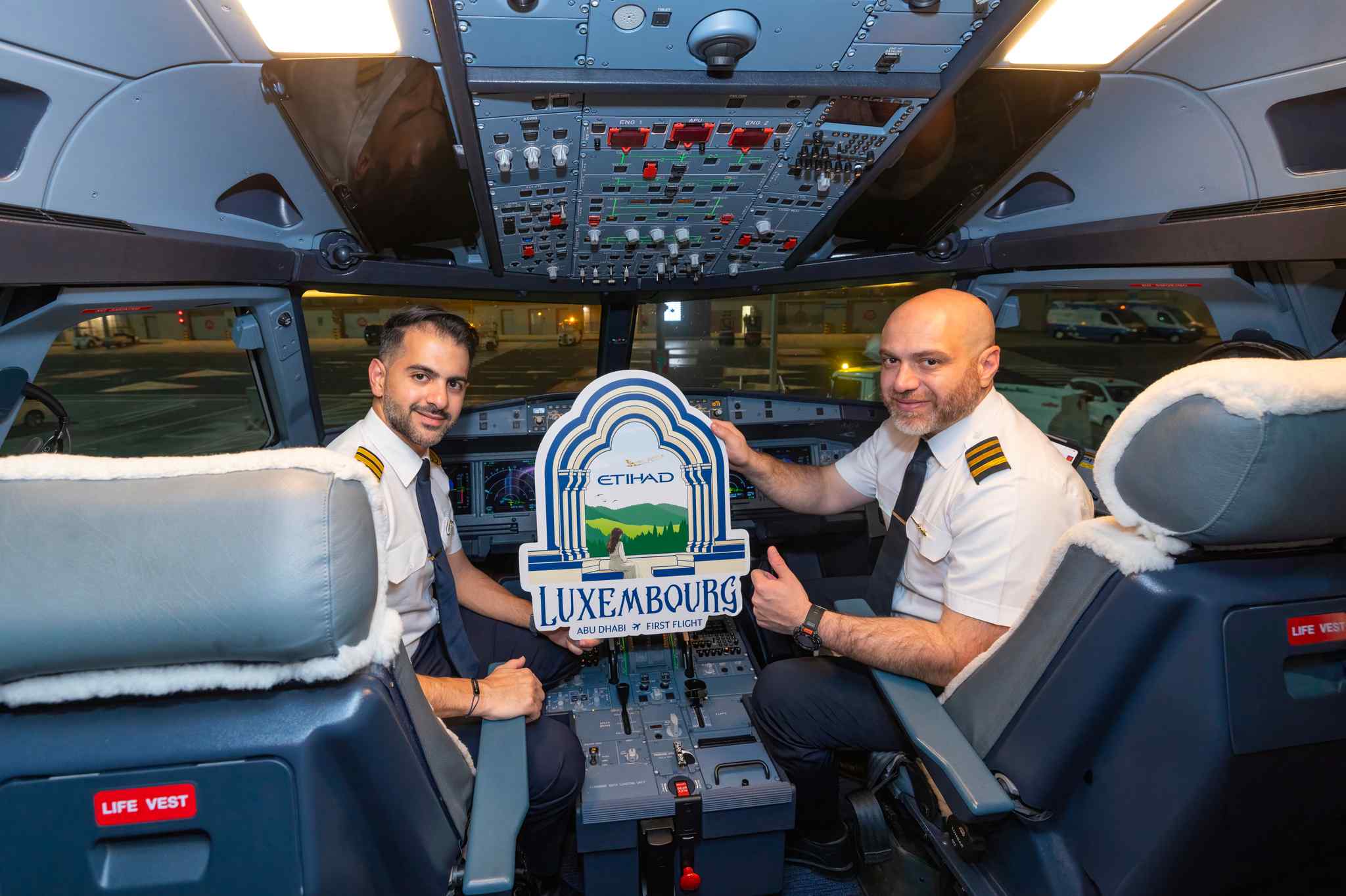
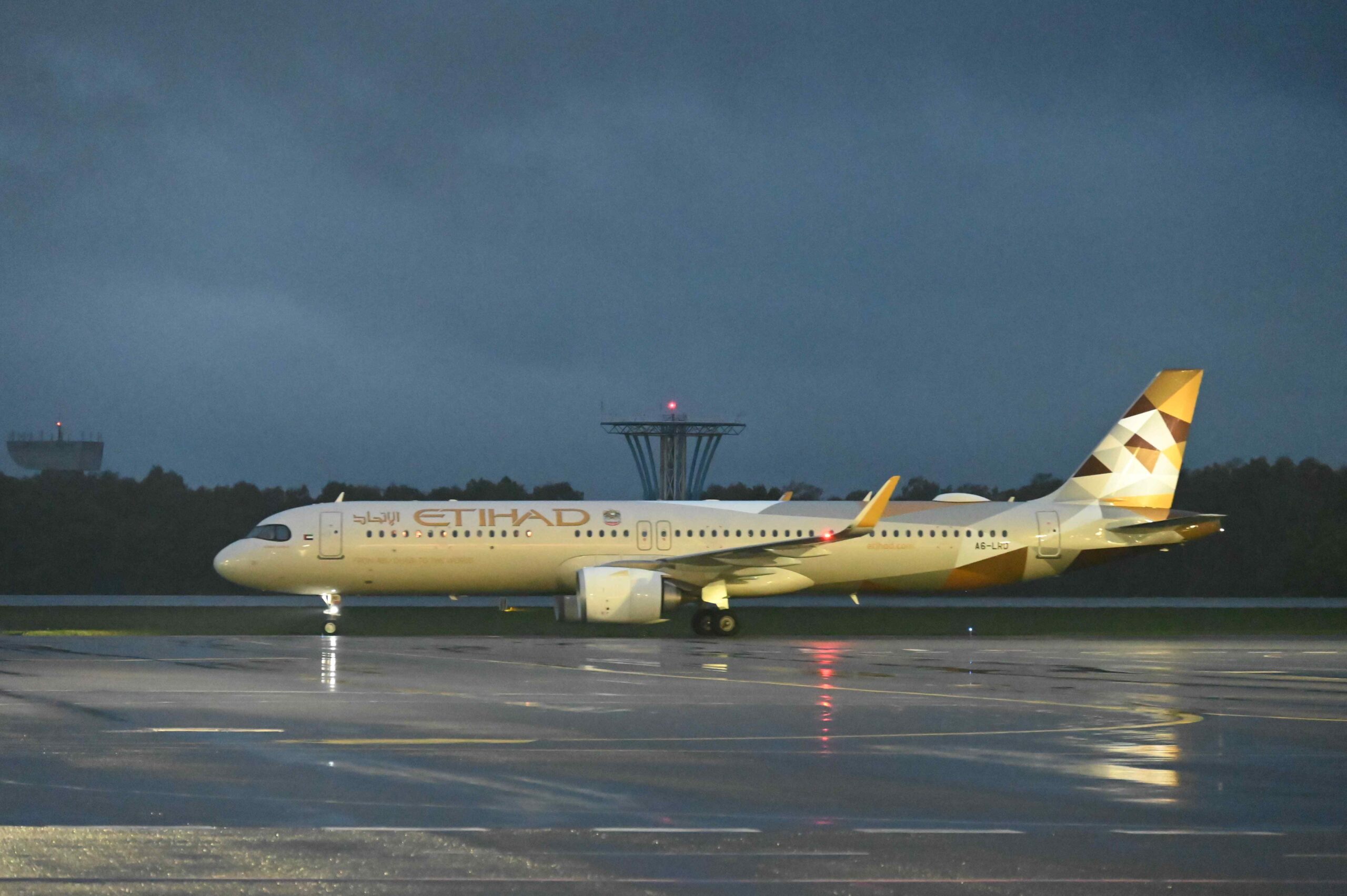
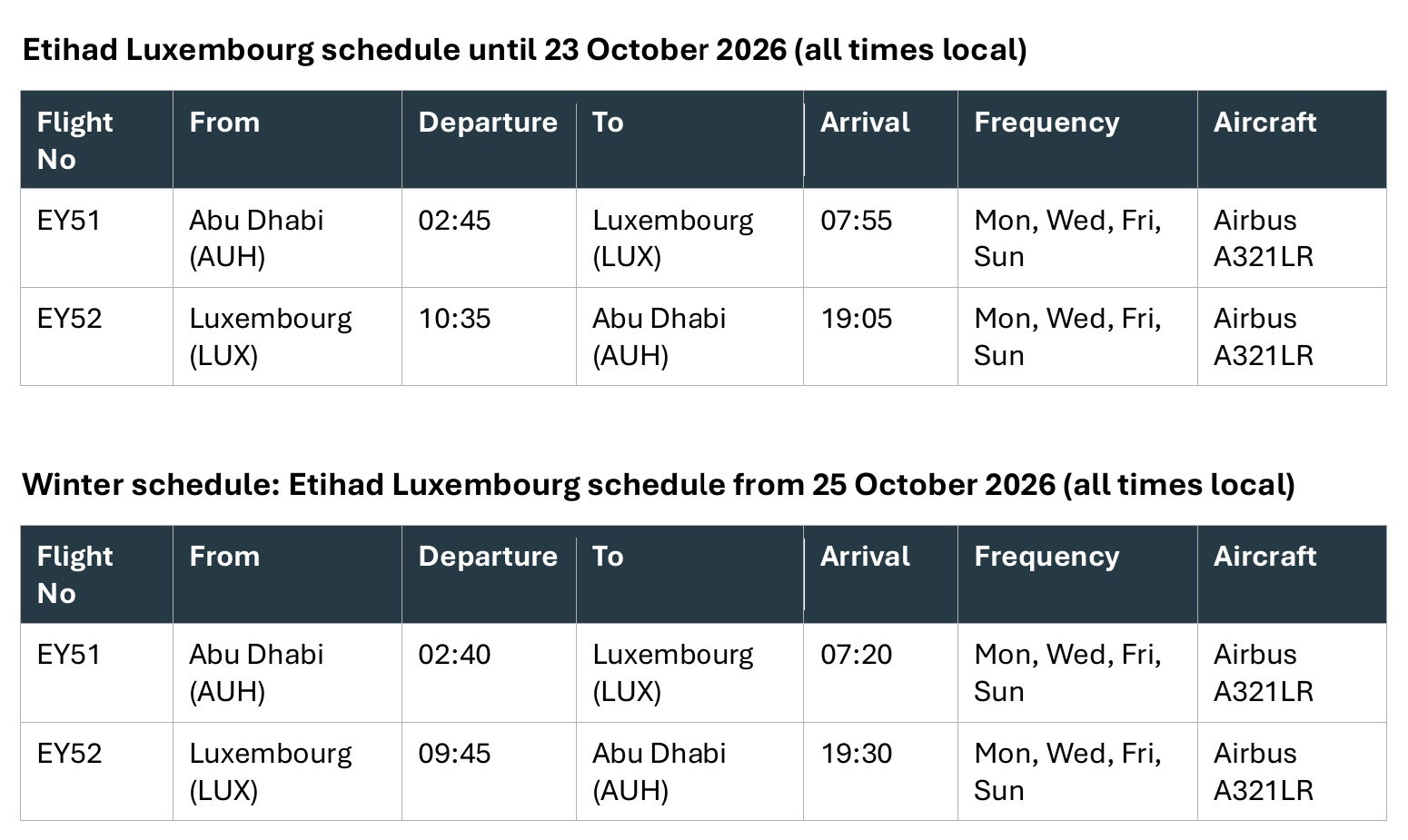
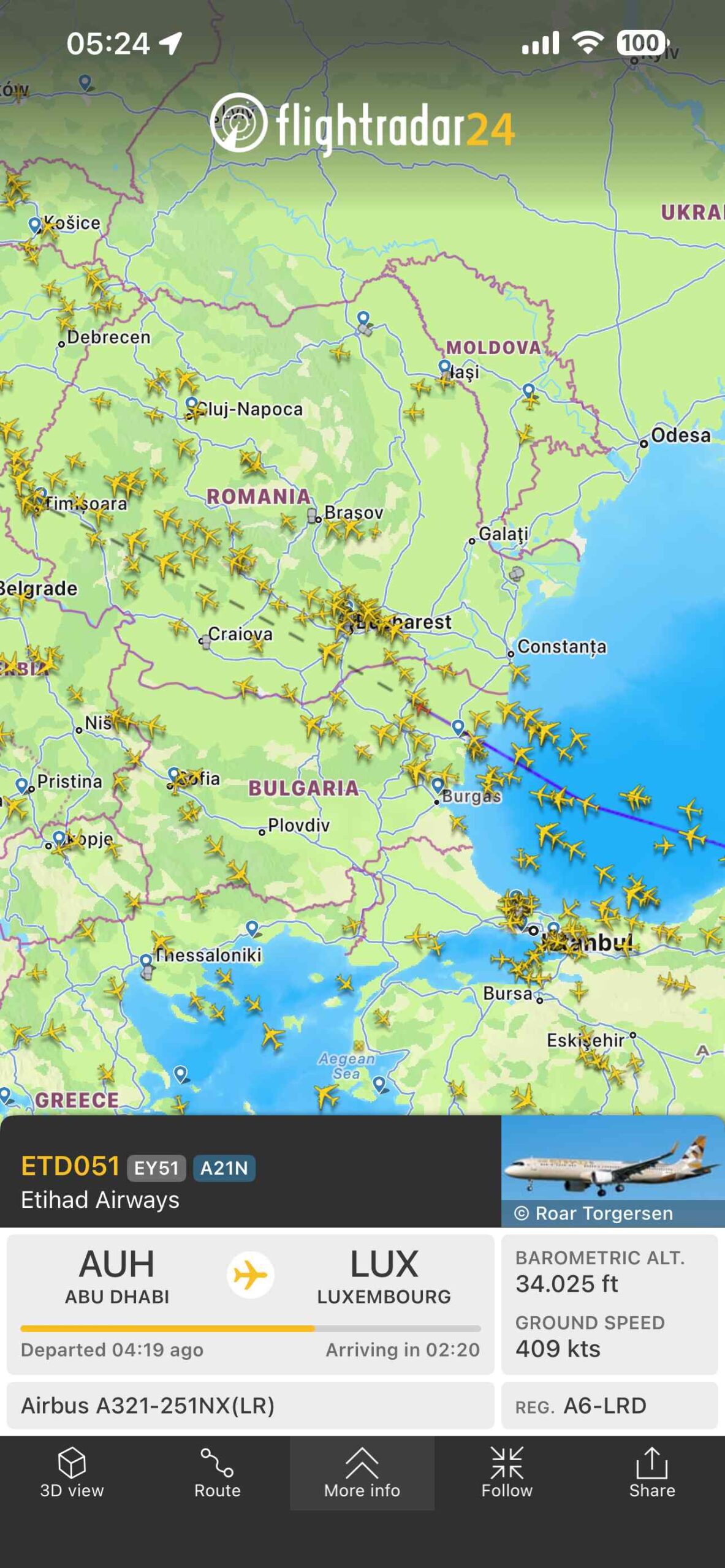
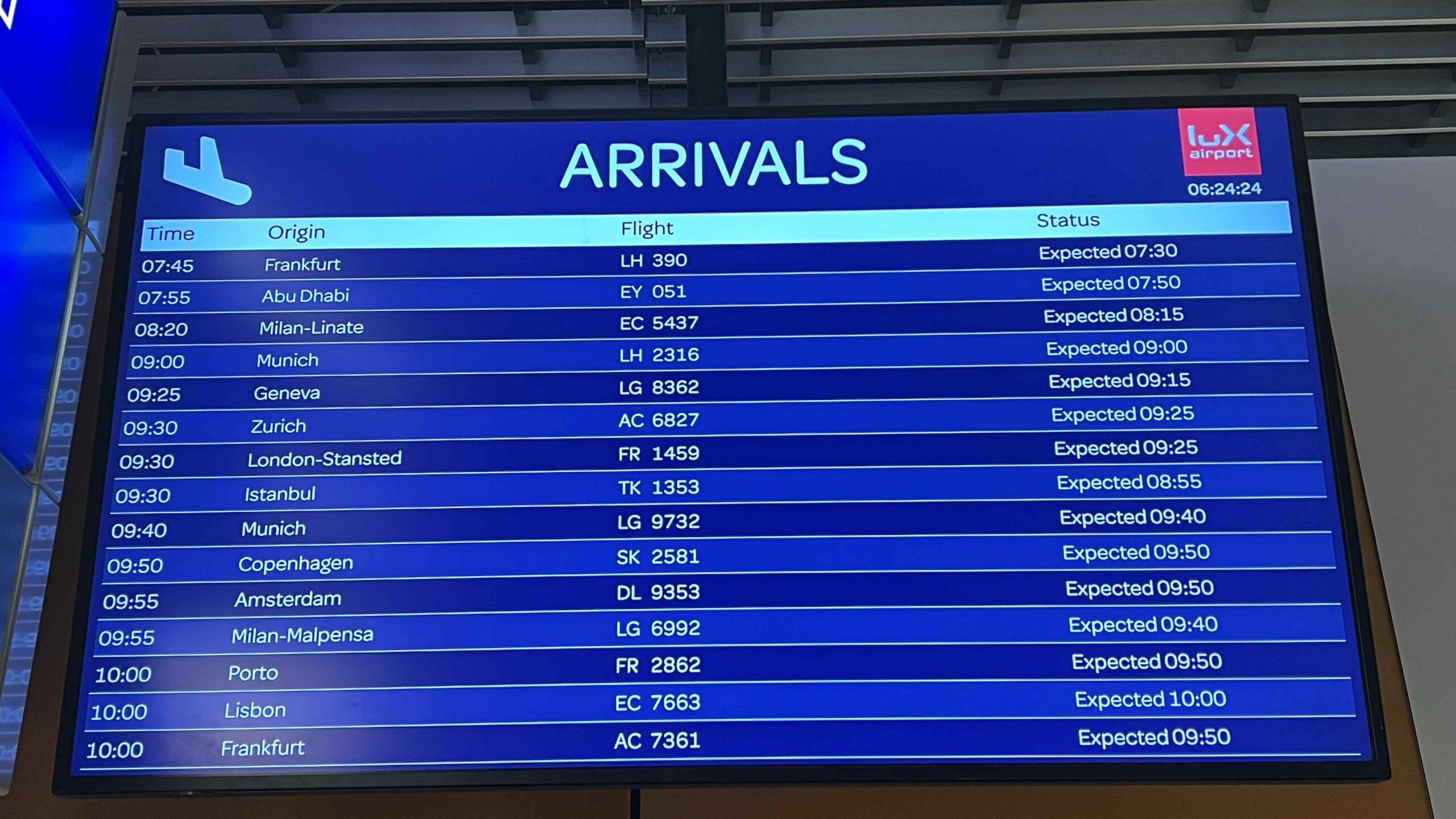
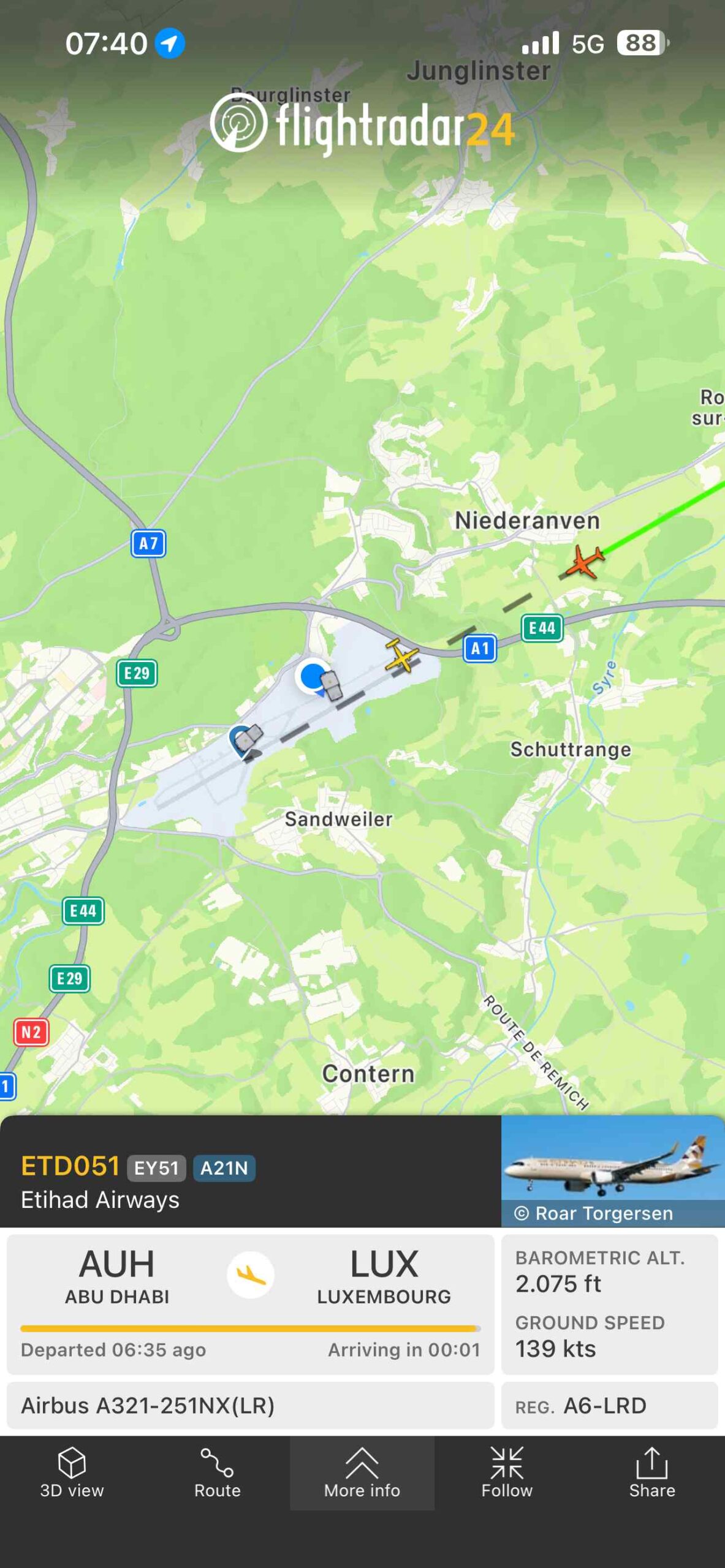
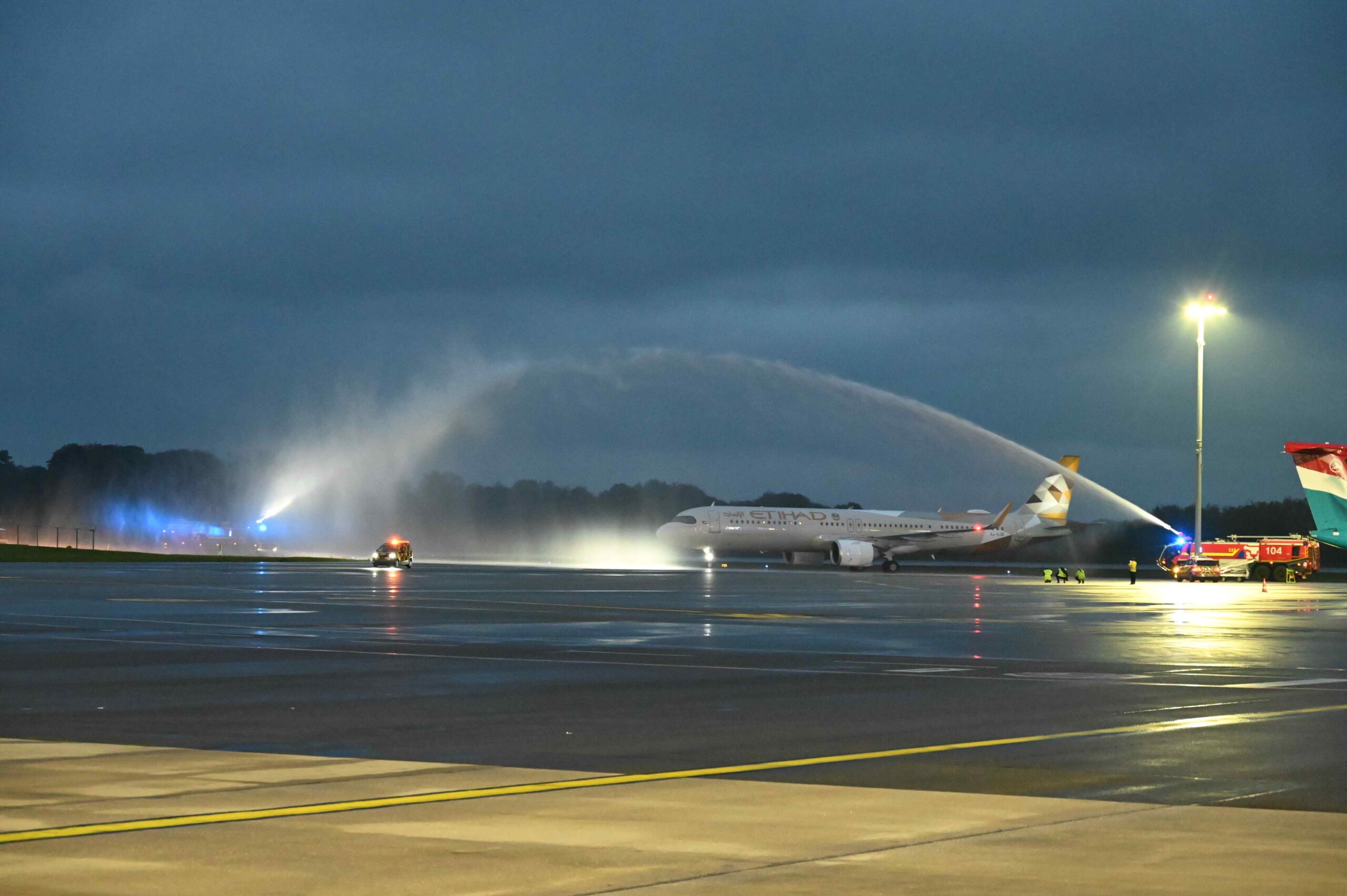
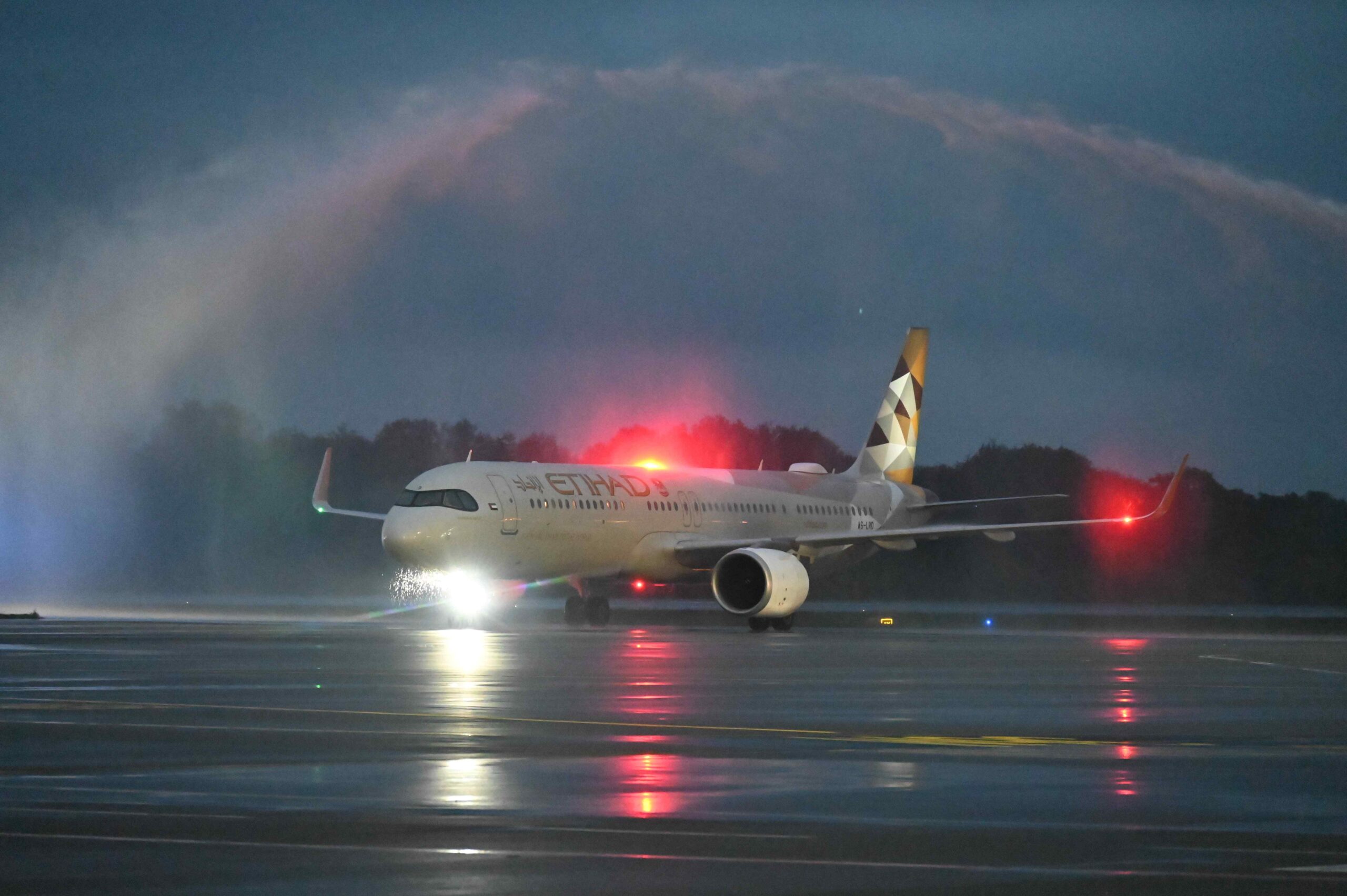
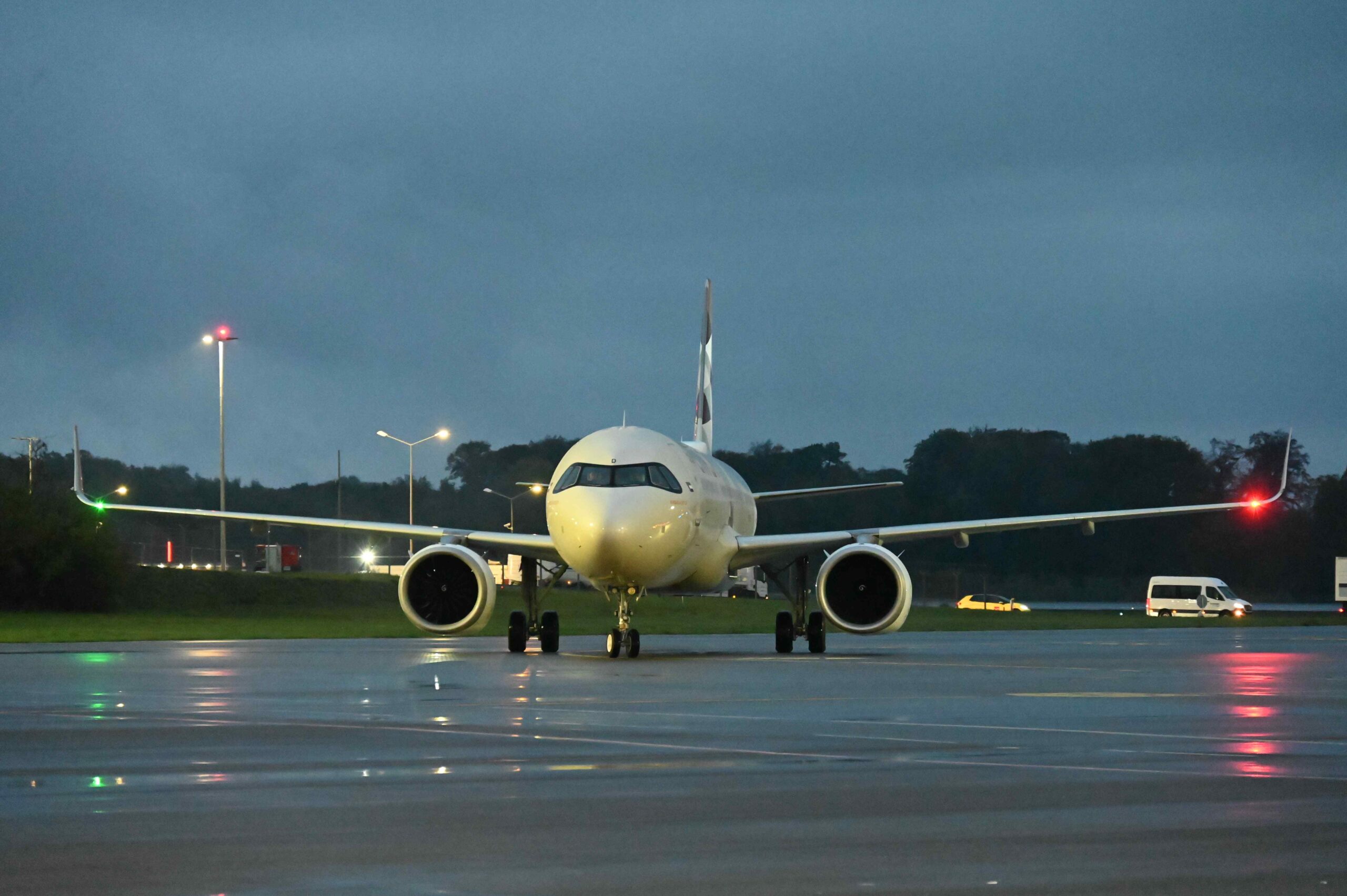
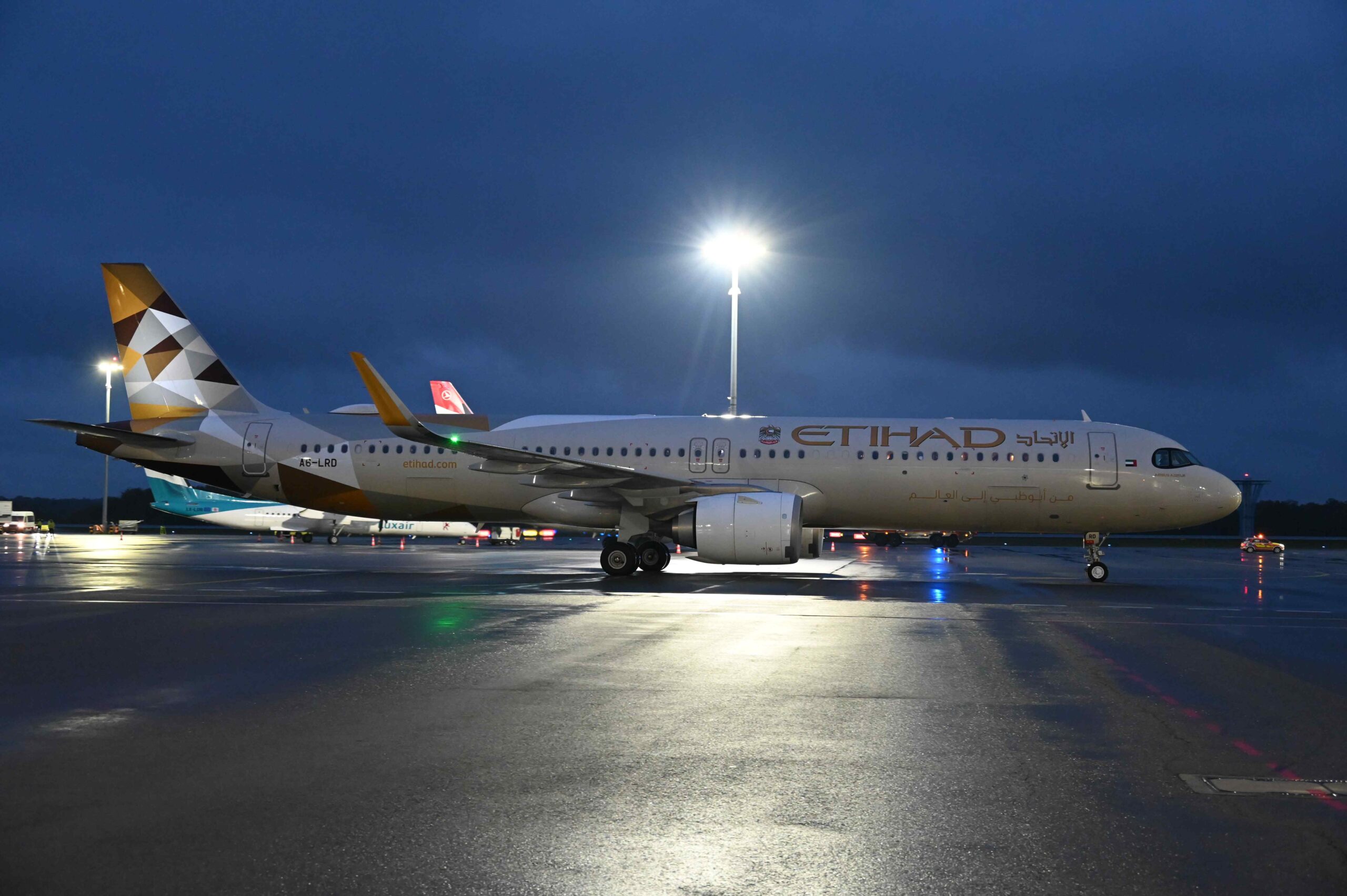
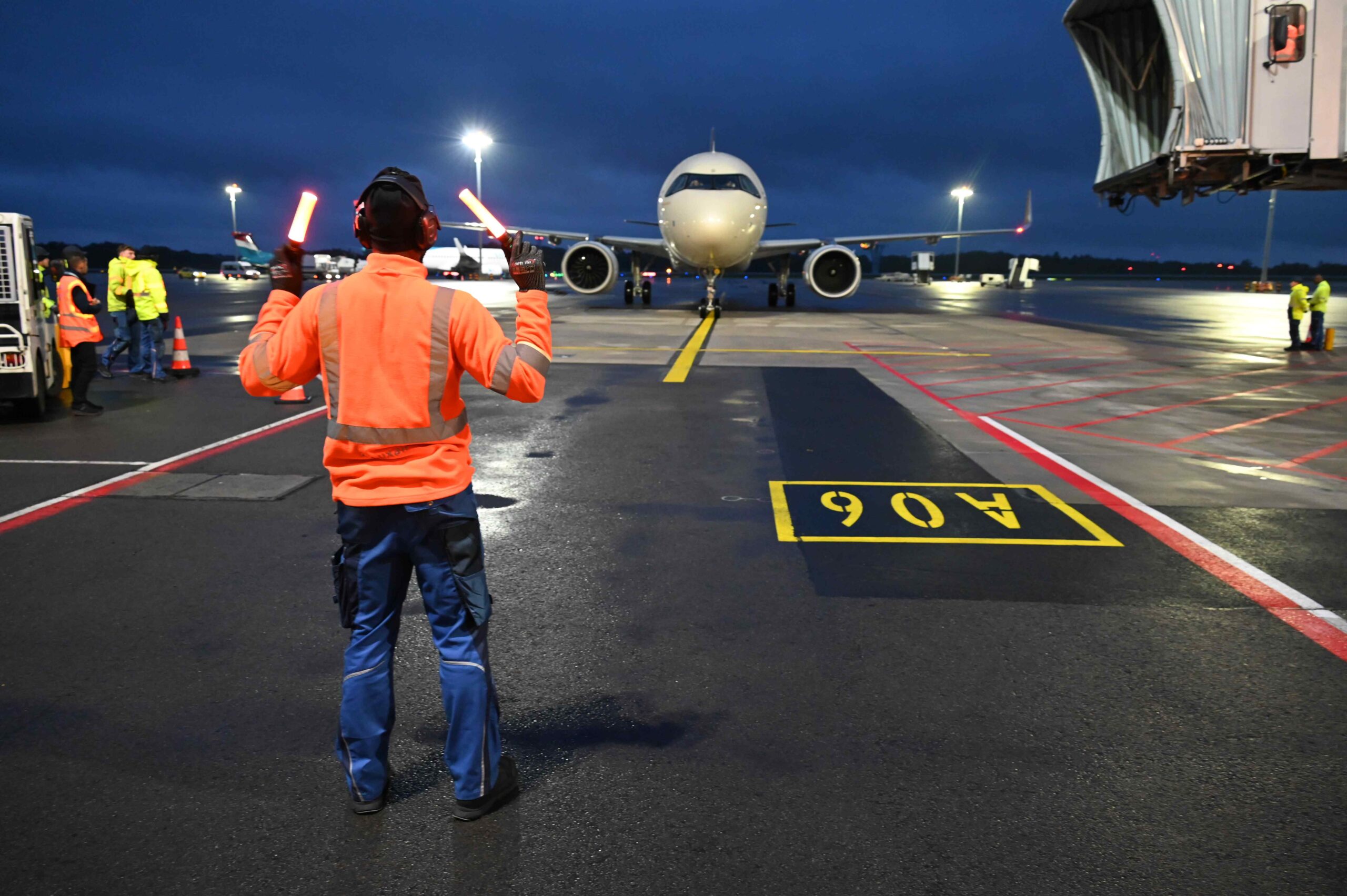
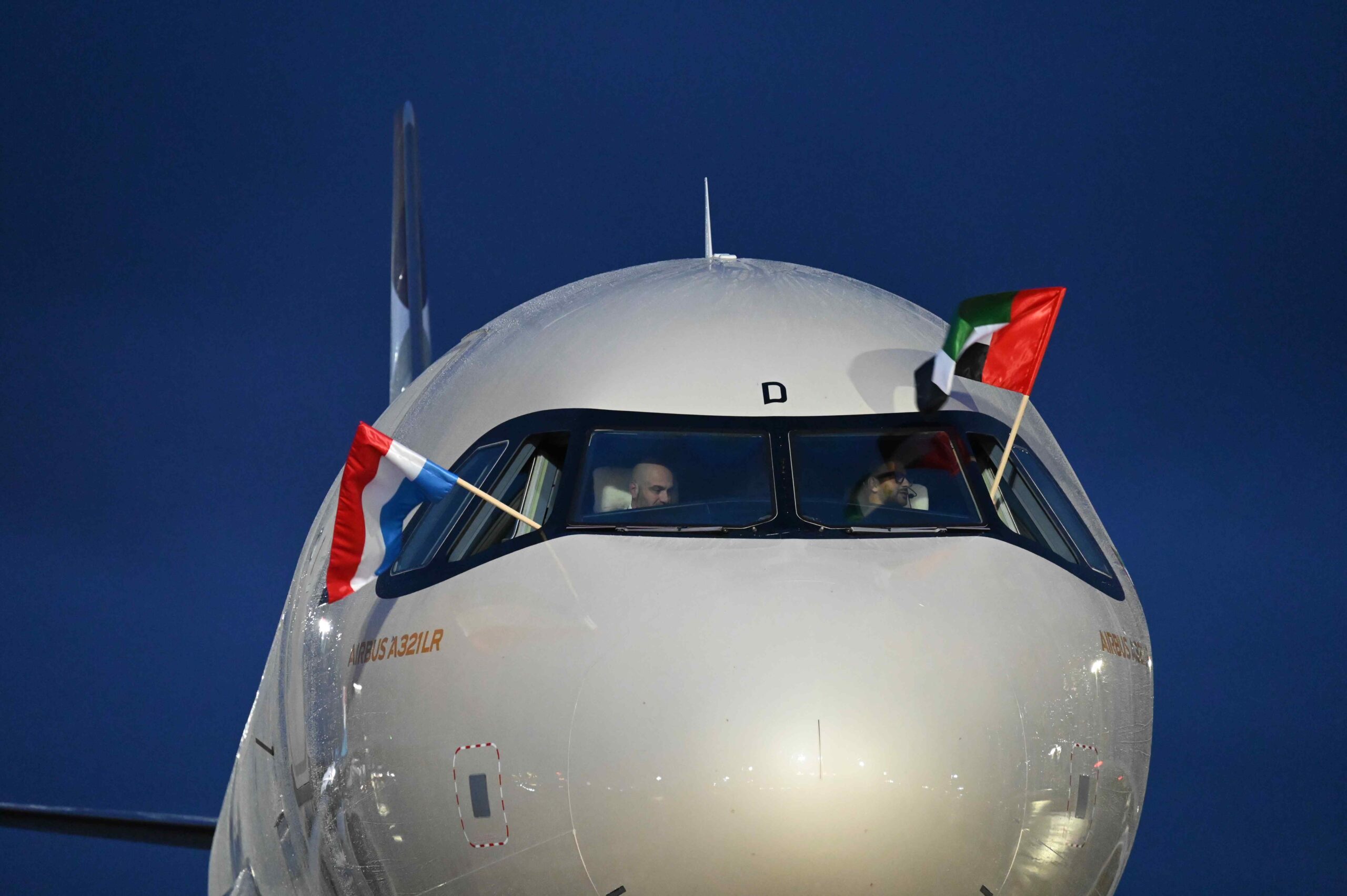
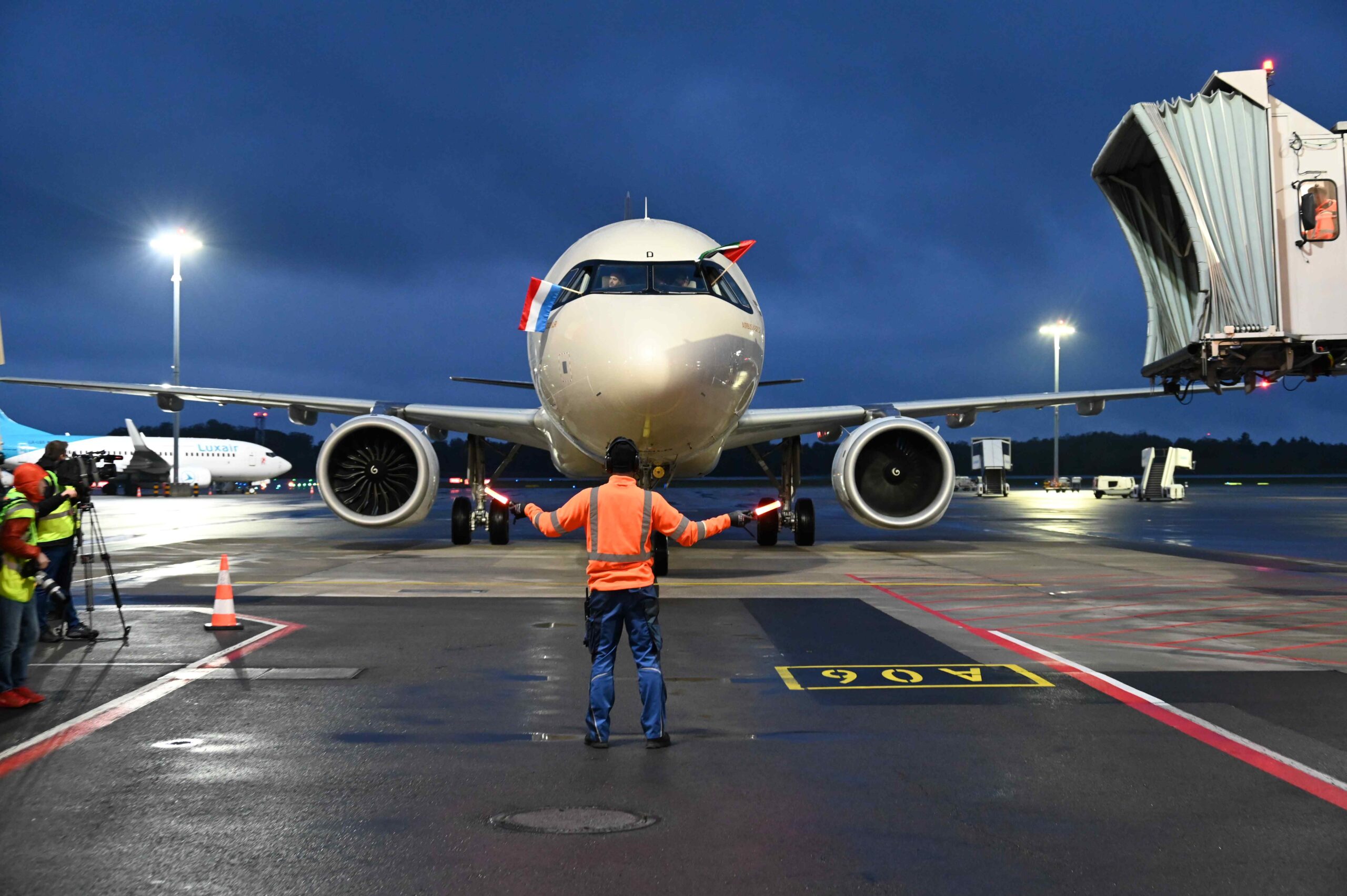
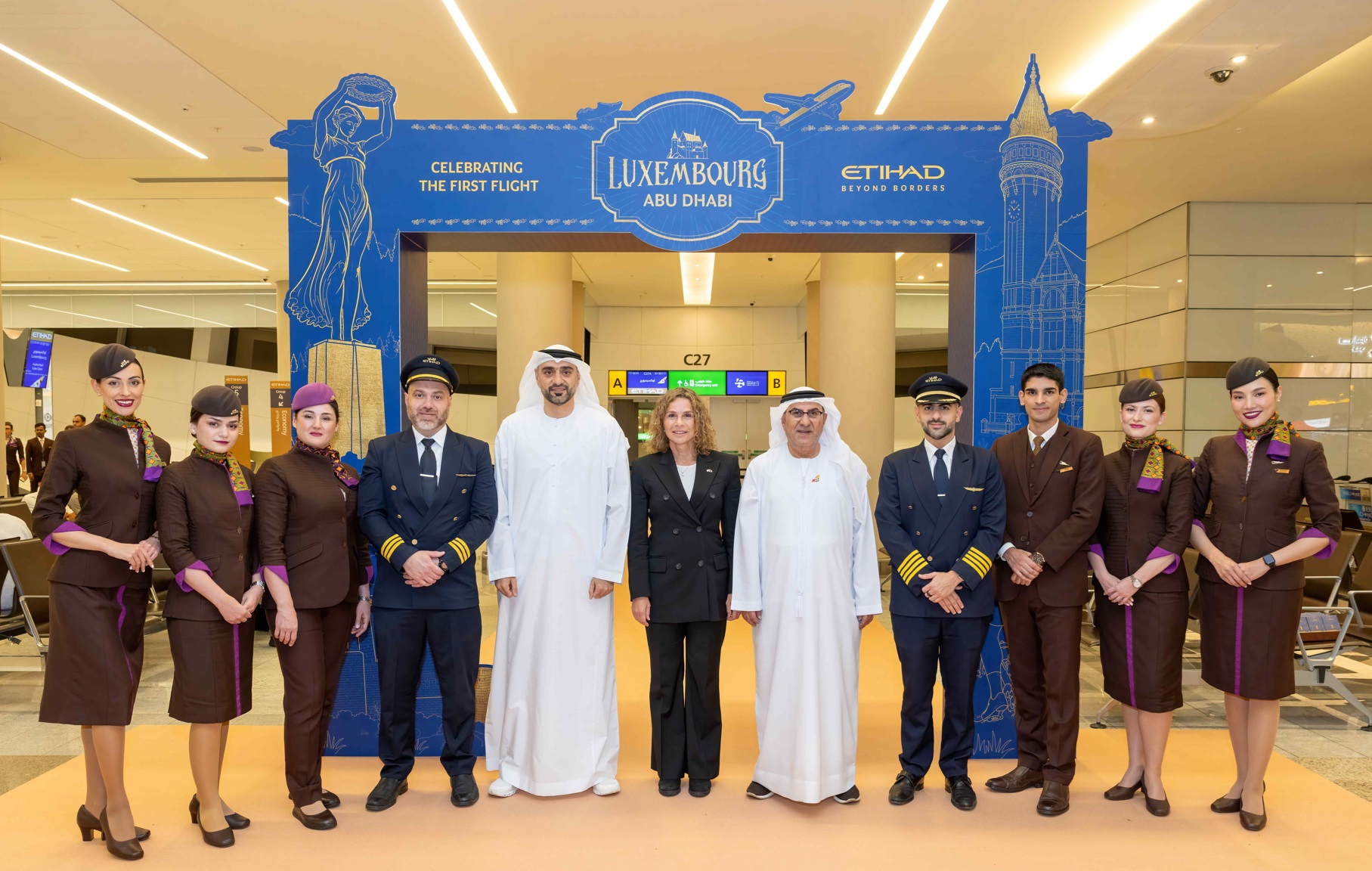
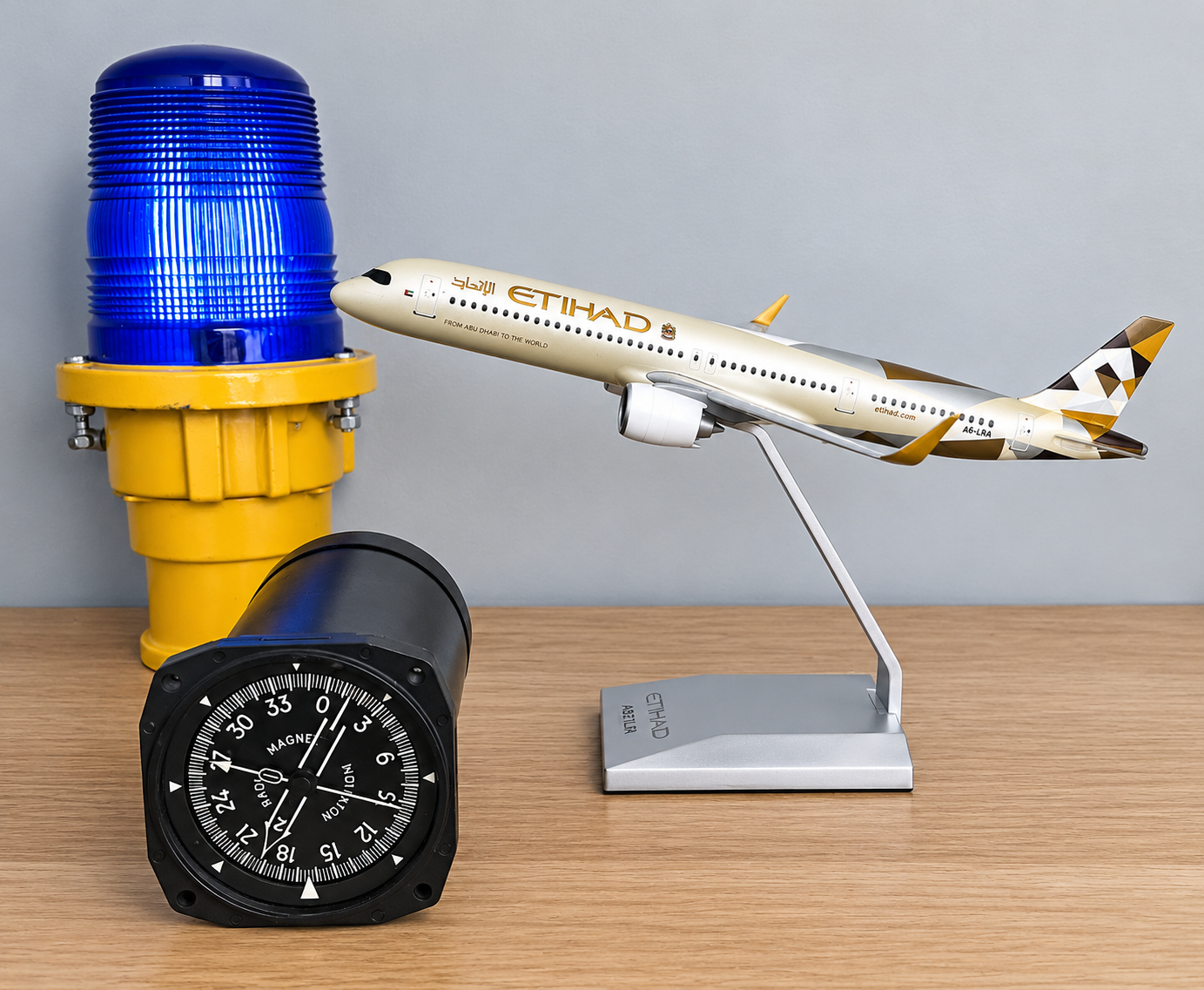
Etihad Airways has launched the only nonstop service between Luxembourg and Abu Dhabi, becoming the first Middle Eastern airline to serve the Grand Duchy. Initially, the route was planned to operate three times weekly with the (very recent) Airbus A321LR, ‘The Xtra Long-Range route opener’ (note : Etihad operates currently 12 A321LR), but with the following strong booking demand since January 2026, it has (already) been expanded to four times weekly.
In a cheerful mood, it is with great pride that the Airport authorities and Etihad Management welcome the grand opening of this new direct connection to Abu Dhabi Airport (OMAA).
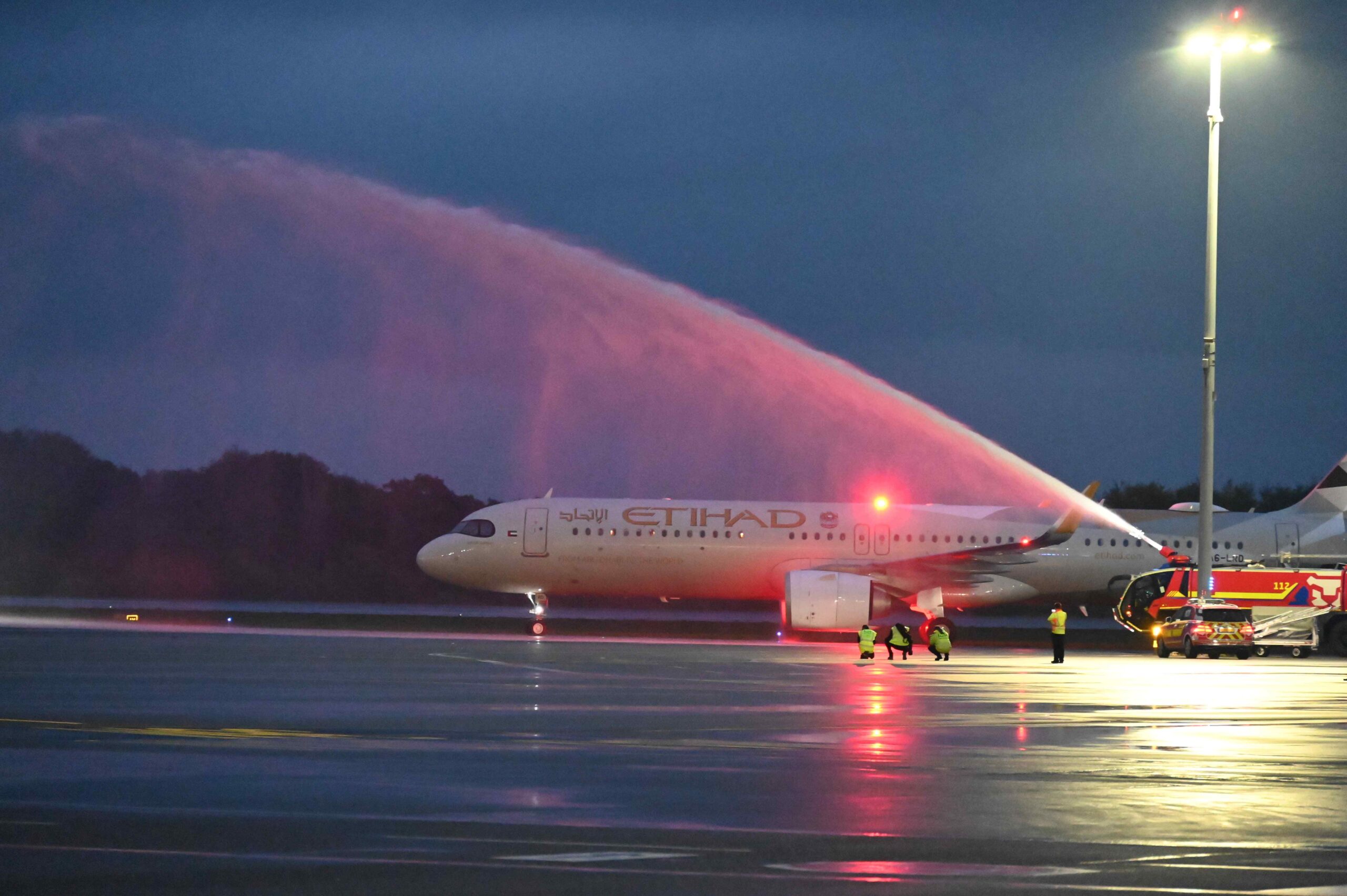
The arrival didn’t go unnoticed as the usual Fire Department greeted the plane with a water salute.
Antonoaldo Neves, Etihad Airways Chief Executive Officer, said: “2026 has been a year of strong network growth for Etihad, and Luxembourg is a special addition. We are proud to serve the Grand Duchy with our full three-cabin experience from the very first flight, and we look forward to welcoming guests from Luxembourg and the wider region on board, whether they are travelling to Abu Dhabi or onward across our network.”
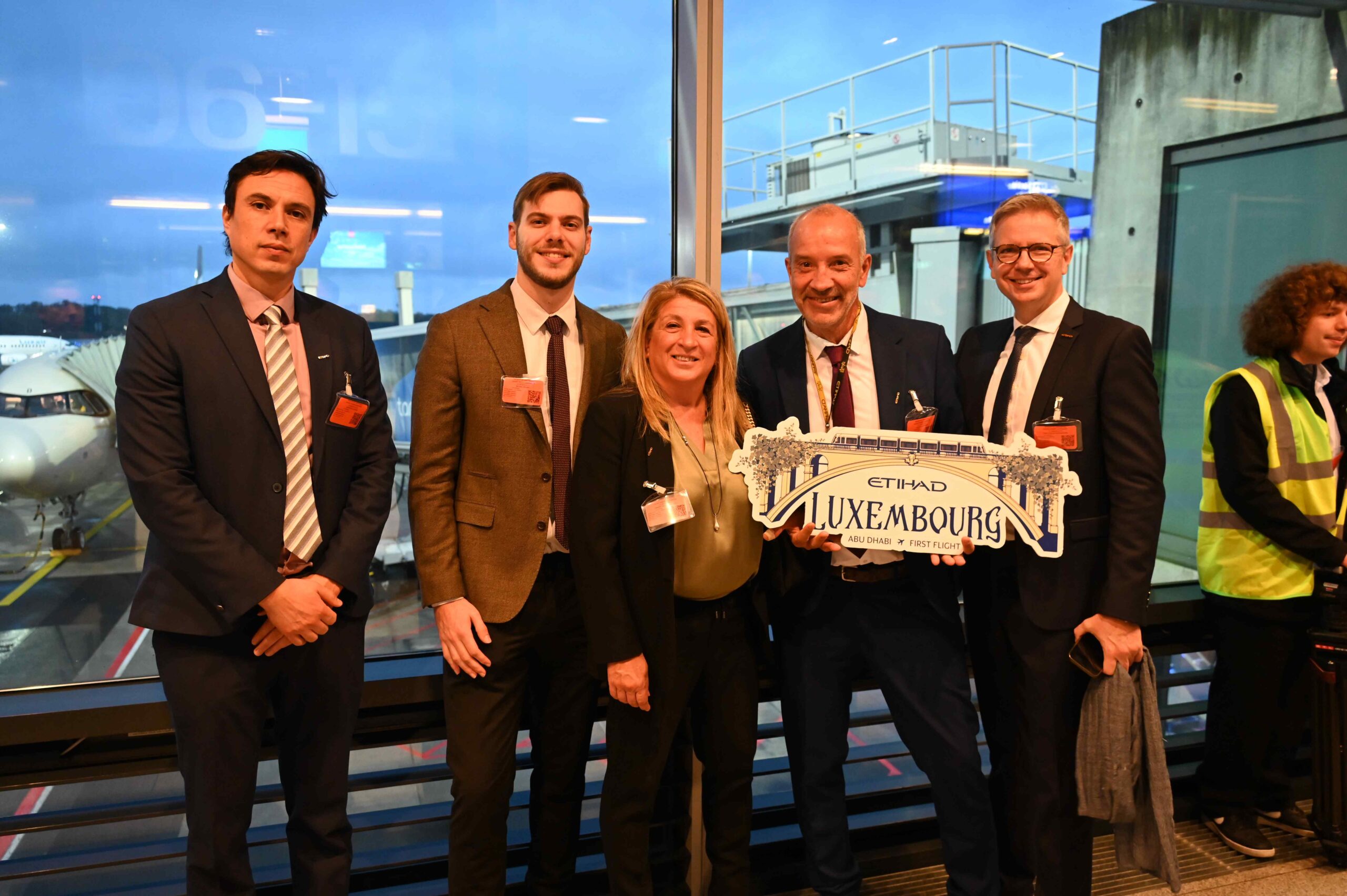
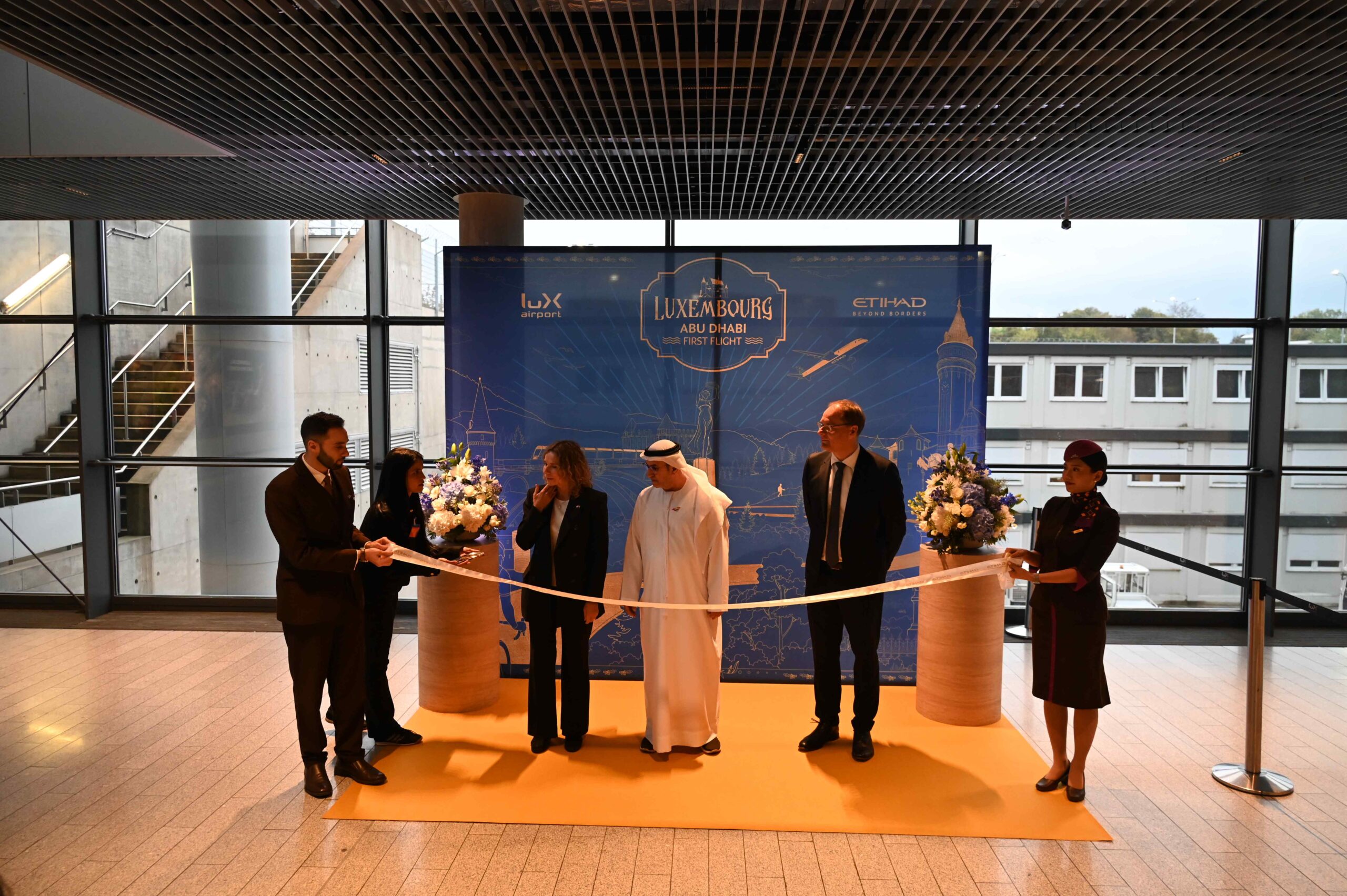
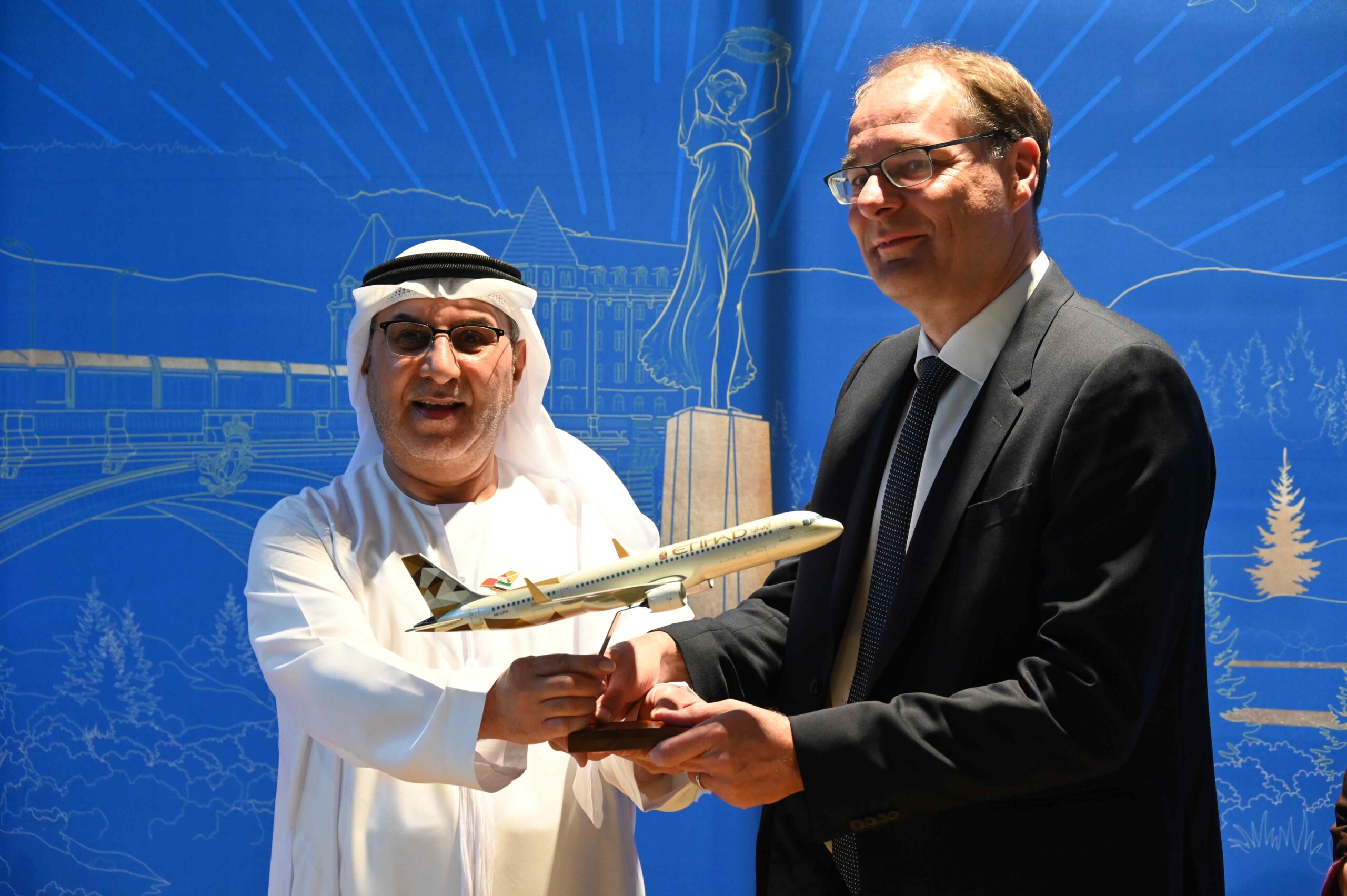
Following the aircraft’s arrival and a warm welcome at the gate, guests gathered for a formal inauguration ceremony celebrating the new connection. Traditional Luxembourgish dancing brought a lively local touch to the occasion, before official representatives marked the milestone with a ceremonial ribbon-cutting. The event continued with an exchange of gifts and commemorative photographs, capturing a memorable moment for both Etihad Airways and Luxembourg.
Alexander Flassak, CEO of lux-Airport, said: “We are delighted to welcome Etihad Airways as the first airline from the Middle East to serve Luxembourg Airport. Our passengers come from across the Grand Duchy and the Greater region, from Belgium, France and Germany, and this new service gives them a nonstop route to Abu Dhabi, with easy onward travel to Asia and beyond.”
Quite atypical for a narrow body aircraft, guests flying between Luxembourg and Abu Dhabi on the Etihad A321LR can choose from two First Suites, 14 seats in Business and 144 in Economy. The First Suites and Business seats turn into fully flat beds with direct aisle access, and Economy has 4K touchscreens with hundreds of hours of films, television and music. High-speed Wi-Fi is available in all cabins. A321LR: Luxury Refined : “Take a 3D Tour”.
For travellers from Luxembourg and neighboring Belgium, France and Germany, Etihad’s new service offers a direct gateway to Abu Dhabi.
Beyond its more than decent weather, Abu Dhabi has plenty to offer, from the architectural splendour of Sheikh Zayed Grand Mosque, the Abu Dhabi Guggenheim, the high-speed thrills of Yas Marina Circuit, home of the Formula 1 Abu Dhabi Grand Prix to the Saadiyat Beach or the YAS island. Add world-class vibrant culinary scene and the UAE capital makes for a destination well worth exploring for the whole family.
For travellers from the Middle East, Luxembourg offers a charming gateway to Europe, with its historic old town, fairytale castles, lush valleys and cosmopolitan atmosphere. Beyond the Grand Duchy, the wider European region beckons with world-famous cities, cultural landmarks, scenic countryside and diverse culinary experiences. As interest in European travel continues to grow among visitors from the Gulf, Luxembourg’s central location makes it an ideal starting point for exploring neighbouring France, Germany and Belgium, as well as destinations further afield.
During the day, Etihad showcased their 2027 version of First and Business class at the upscale, lifestyle-oriented commercial destination “GRIDx” located in Wickrange. Throughout the day, the grand public was able to see up close the cabin mockup and enjoy the Etihad hospitality with thea and dates.
(*) Etihad, The national airline of the UAE, was formed in 2003 and quickly went on to become one of the world’s leading airlines. From its home in Abu Dhabi, Etihad flies to passenger and cargo destinations in the Middle East, Africa, Europe, Asia, Australia, and North America. Together with Etihad’s codeshare partners, Etihad’s network offers access to hundreds of international destinations. In recent years, Etihad has received numerous awards for its superior service and products, cargo offering, loyalty programme and more.
An American Airlines Boeing 787-8 registered N806AA arriving from Barcelona suffered a tyre failure after landing at Chicago O’Hare on Tuesday, 20 October. All 234 passengers and 11 crew members were uninjured.
The Federal Aviation Administration said the crew of flight AA41 reported a brake issue followed by a blown tyre after landing safely. In air traffic control recordings, a pilot reported that a right brake might be dragging. The crew declared an emergency and stopped on the runway.
Passengers disembarked using stairs and were taken by bus to the terminal.
American Airlines said the aircraft had been withdrawn from service for inspection by its maintenance team. The FAA is investigating the incident.
Norwegian will launch four European routes in 2027, connecting Oslo and Copenhagen with Seville, Copenhagen with Santiago de Compostela, and Billund with Manchester.
The Seville services will operate twice weekly in spring and autumn, with a break during the peak summer period. Copenhagen–Santiago de Compostela will run during the summer, while Billund–Manchester will operate from April to October.
Route
Operating periods in 2027
Frequency
Oslo–Seville
20 March–16 June; 18 August–30 October
Wednesdays and Saturdays
Copenhagen–Seville
24 March–16 June; 18 August–30 October
Wednesdays and Saturdays
Copenhagen–Santiago de Compostela
19 June–18 August
Wednesdays and Saturdays
Billund–Manchester
1 April–28 October
Thursdays and Sundays
Norwegian said the additions form part of its continuing network development, with further new destinations to be announced later.