
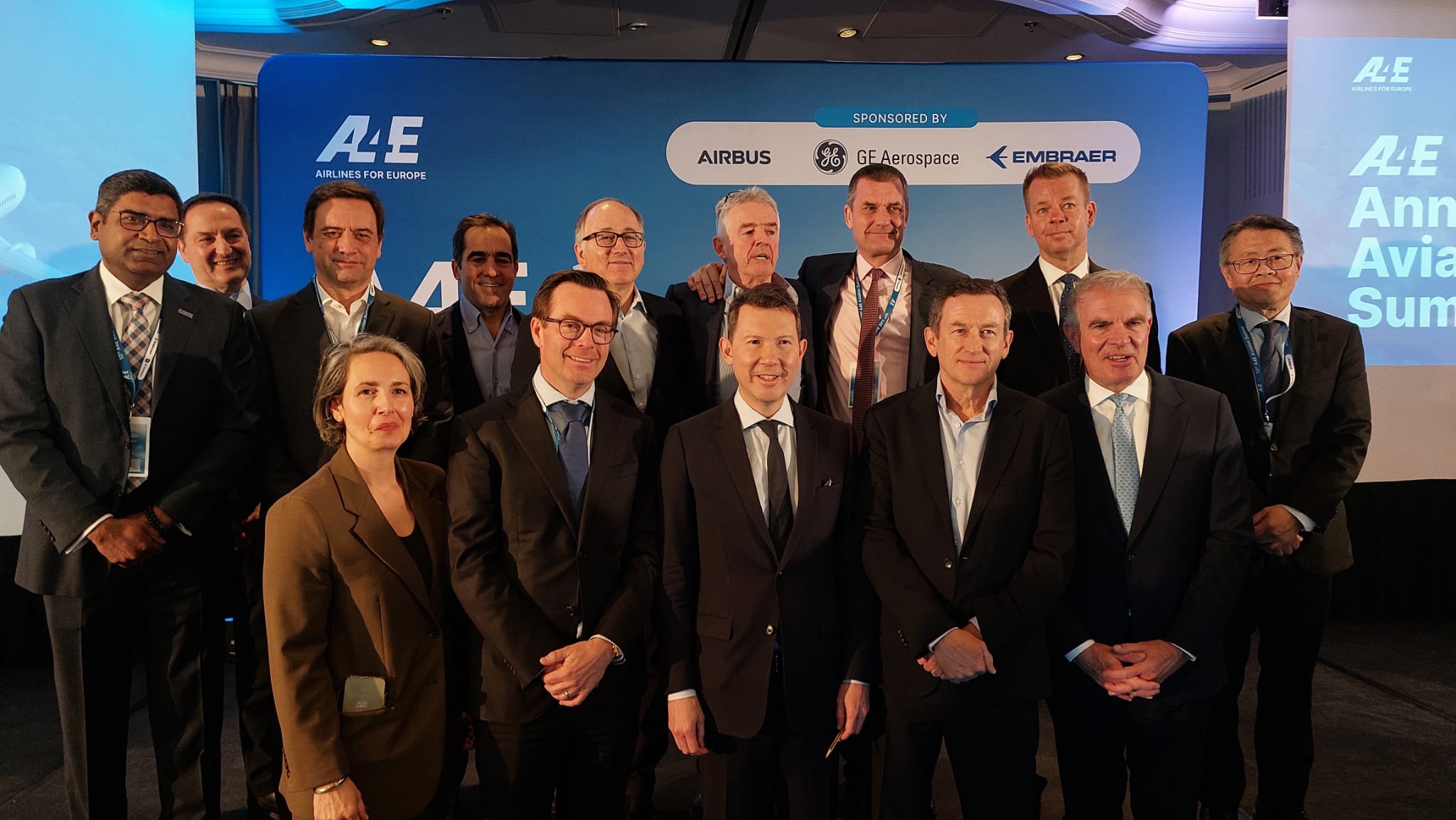
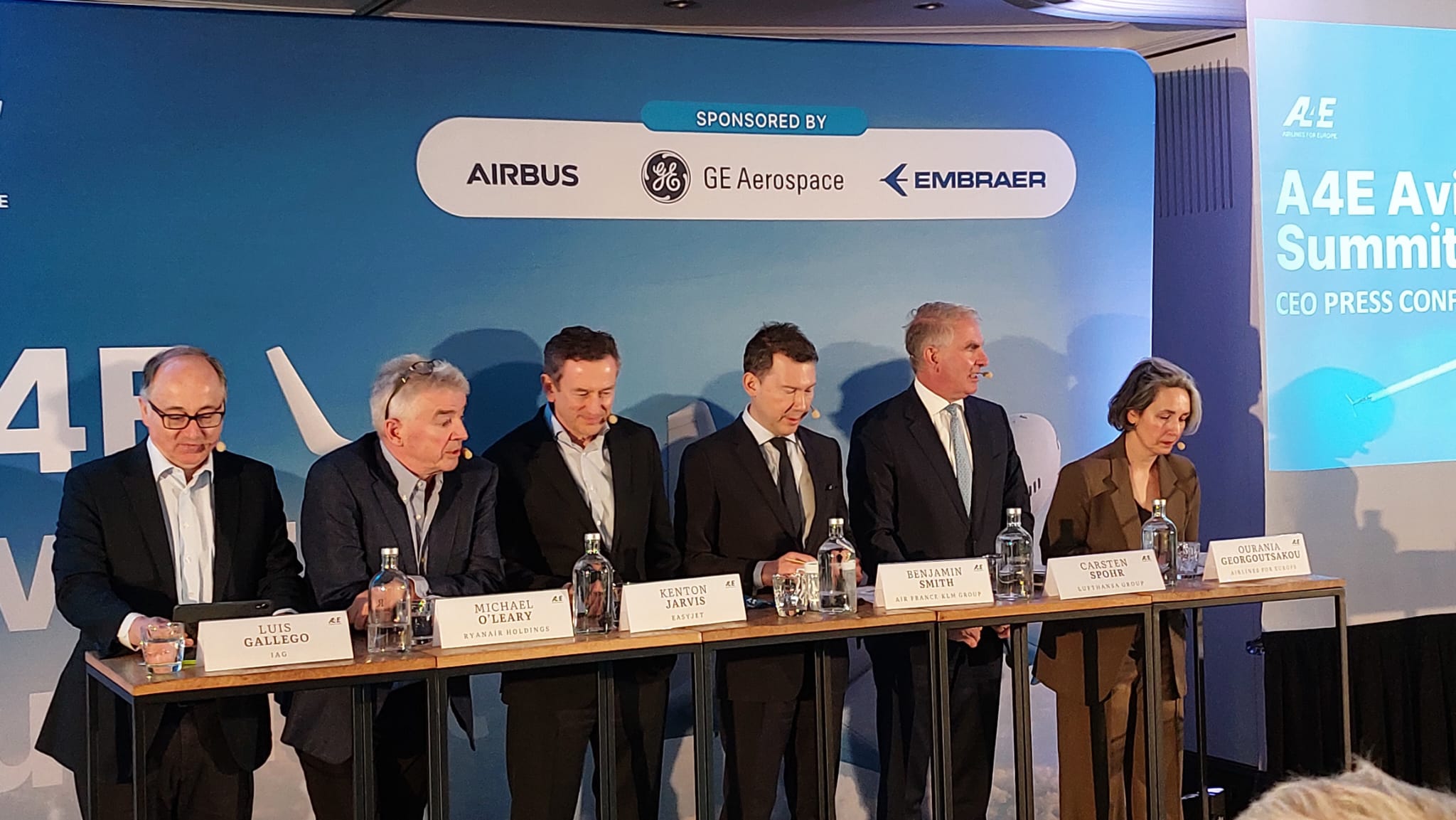
Airlines across Europe have issued a stark warning to policymakers, calling for urgent action to safeguard the competitiveness of the continent’s aviation sector. The appeal comes as European leaders gather in Brussels, with industry group Airlines for Europe (A4E) presenting a wide-ranging declaration on the future of aviation.
According to A4E, Europe’s airline industry is approaching a “critical turning point,” where increasing regulatory and cost pressures risk undermining connectivity, driving up ticket prices, and pushing traffic towards non-European competitors.
Costs rising, competitiveness falling
The airline association, which represents carriers transporting nearly 800 million passengers annually, warns that regulatory costs have tripled since 2014 to €15.5 billion per year. These costs are projected to rise further to €27.6 billion by 2030.
Airlines argue that European operators are at a disadvantage compared to non-EU competitors, particularly due to environmental and regulatory obligations that are not equally applied elsewhere.
“European travellers are already paying more simply for flying within the EU,” A4E said, cautioning that this trend could make Europe less attractive as a destination while reducing route networks and overall connectivity.
Pressure on climate policies
A central concern is the EU’s emissions framework, particularly the EU Emissions Trading System (ETS). Airlines are urging policymakers to align ETS with the global CORSIA scheme, arguing that the current system disproportionately impacts intra-European travel.
A4E highlights that a family of four flying from Belgium to Greece could pay around €80 more due to ETS costs compared to a similar trip to Turkey.
The industry is also raising alarms over the availability and cost of sustainable aviation fuels (SAF). While reaffirming support for decarbonisation targets, airlines warn that current production levels—especially for synthetic e-fuels—are far below what will be required by 2030.
EU261 reform and airspace disruptions under fire
Airlines also criticised ongoing discussions around the reform of the EU261 Regulation, warning that stricter compensation rules could significantly increase costs. According to A4E, a more stringent framework could double annual EU261-related costs to €15 billion, ultimately impacting ticket prices and regional connectivity.
In parallel, the industry renewed calls to address inefficiencies in Europe’s fragmented air traffic management system. Frequent strikes by air traffic controllers in individual countries continue to disrupt operations across the continent, forcing costly reroutings and delays.
Call for a “pro-competitive” aviation strategy
A4E is urging the European Union to adopt a new “Aviation Strategy 2.0” focused on growth, competitiveness, and global alignment. Key demands include reducing regulatory burdens, reforming airport charges, and ensuring fair competition with non-EU airlines.
“Europe has a choice,” the association said. “Maintain connectivity and a competitive aviation sector, or risk higher fares and fewer routes.”
With demand for air travel expected to grow by around 3% in 2026, airlines stress that policy decisions taken now will determine whether Europe can keep pace in an increasingly competitive global market.