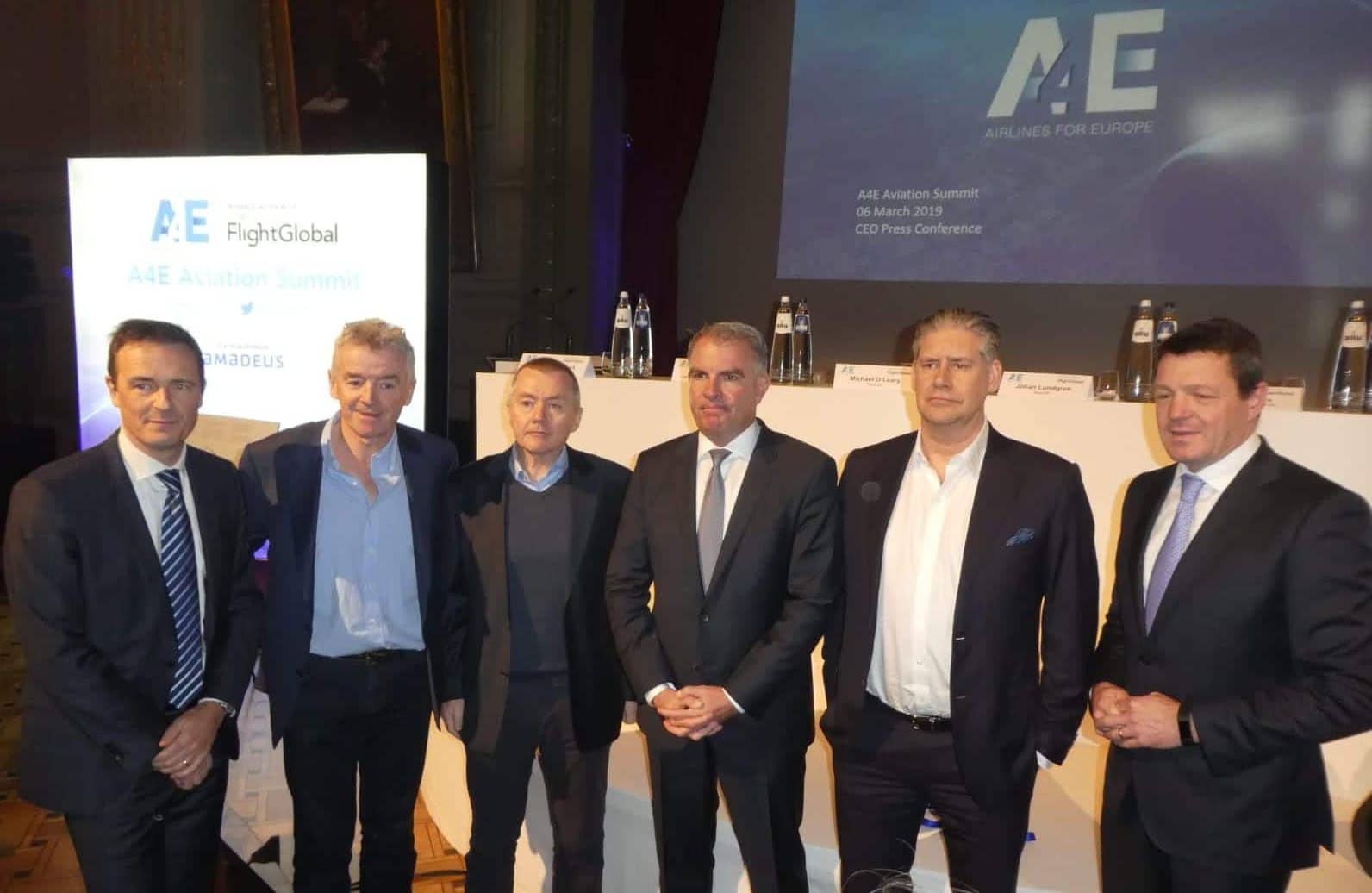
At their Annual General Meeting today, A4E airline CEOs agreed to identify sustainability targets which would help the EU meet its environmental goals. A4E, together with the wider EU aviation industry, will also lead in the development of a roadmap in order to define how a combination of measures and appropriate policies could help Europe’s aviation industry fulfil its sustainability commitments.
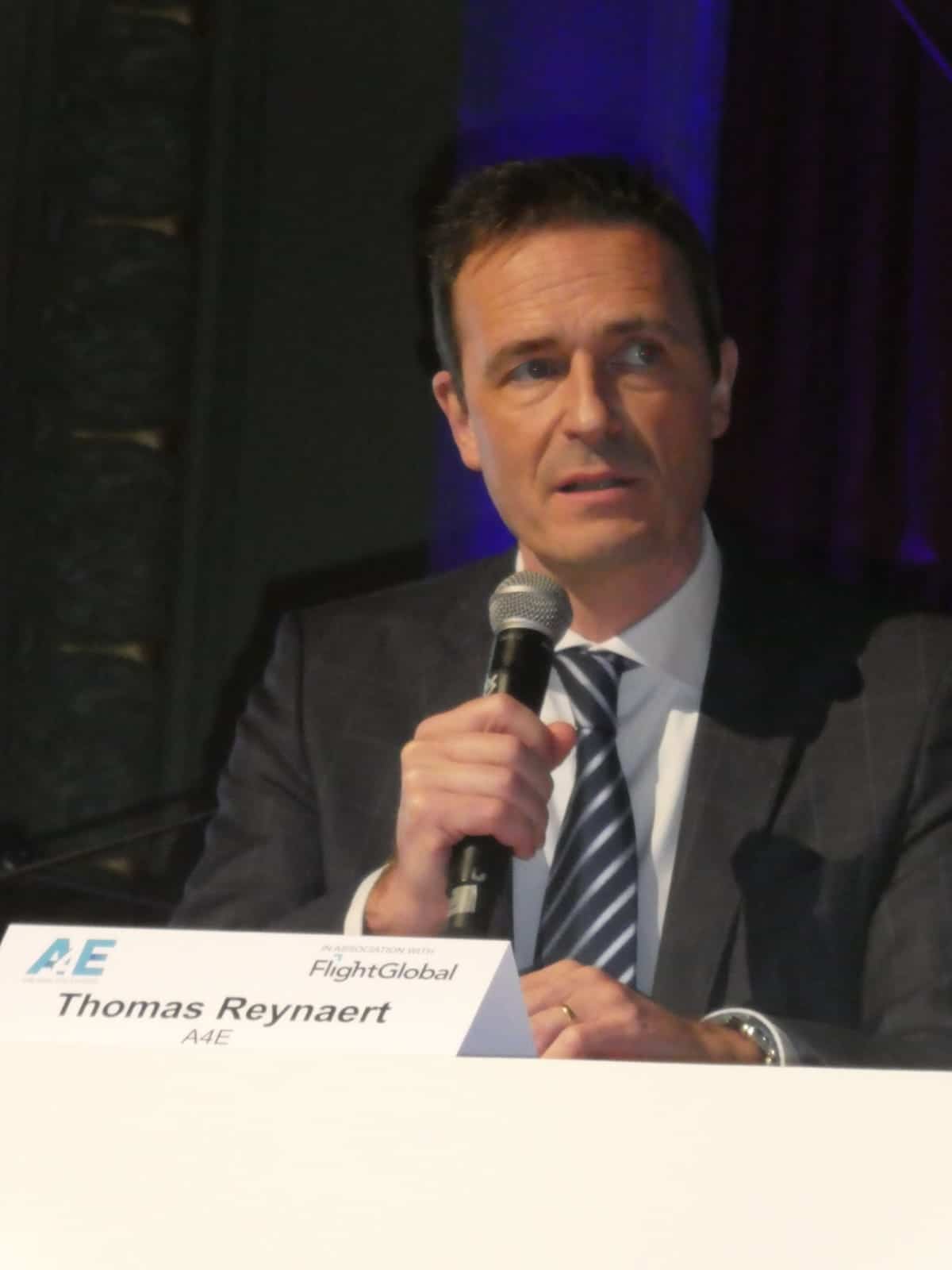
“While we remain committed to the industry’s self-imposed global targets, our members believe EU airlines – and Europe as a whole, can go further to lead the way in developing a roadmap towards sustainable aviation. Aircraft fuel efficiency levels have improved by 2% a year in Europe and this should be recognised. But further significant progress can be made if current research and development initiatives, such as electric and hybrid engine technologies, and sustainable alternative fuels, were better funded and if the right political decisions were taken to remove the hurdles in place”, said Thomas Reynaert, Managing Director, Airlines for Europe (A4E).
Since 2014, EU airlines’ own technical and operational measures have saved some 20 million tonnes of CO2 emissions, according to a new study. That is the equivalent to 1.6 million intra-EEA flights or 100 days of flying.
At the same time, inefficiencies often leave Europe’s airspace congested, preventing airlines from flying the most environmentally friendly routes. According to the study, ATC strikes, technical failures and related operational inefficiencies have led to one million tonnes of avoidable CO2 emissions since 2014 — on top of the additional emissions generated by not implementing the Single European Sky initiative. Improving Europe’s airspace architecture, e.g. through harmonised and more widespread implementation of Free Route Airspace (allowing airlines to fly their preferred trajectories) – and adapting airspace design to traffic flows would lead to at least a 10% decline in CO2, thereby contributing towards making air transport even more sustainable in the future.
“Simply put, these disruptions and inefficiencies undermine current efforts. They represent roadblocks to EU airlines’ future sustainability targets and must be urgently dealt with. Governments have a shared responsibility to act by allowing new, more efficient operational concepts to take hold. The industry needs more support for our efforts to reduce dependency on fossil fuels”, Reynaert added.
With a greater utilisation of sustainable fuels and further fleet modernisation, airlines already have promising solutions to reduce aviation’s climate impact over the next 10-15 years. To fully benefit from these solutions, current airspace inefficiencies must be urgently addressed, for example through greater digitalization of air navigation services and an overhaul of Europe’s airspace architecture. An effective combined effort from all operational stakeholders and decision makers is essential to properly address environmental challenges.
This post was published on 6 March 2019 13:08
Embraer has delivered the first E175 equipped with RECARO R2 passenger seats to American Airlines,…
LOT Polish Airlines has joined TSA PreCheck, allowing eligible passengers departing from participating US airports…
Munich Airport will offer 182 destinations in 67 countries during its winter 2026/27 timetable, with…
A Canadair Challenger 604 operated by Triton Aviation made an emergency landing at Abuja’s Nnamdi…
Antwerp Airport could see electric passenger aircraft enter service from 2030, with ASL Group and…
VINCI Airports handled 93.5 million passengers in the third quarter of 2026, down 0.6% year-on-year,…