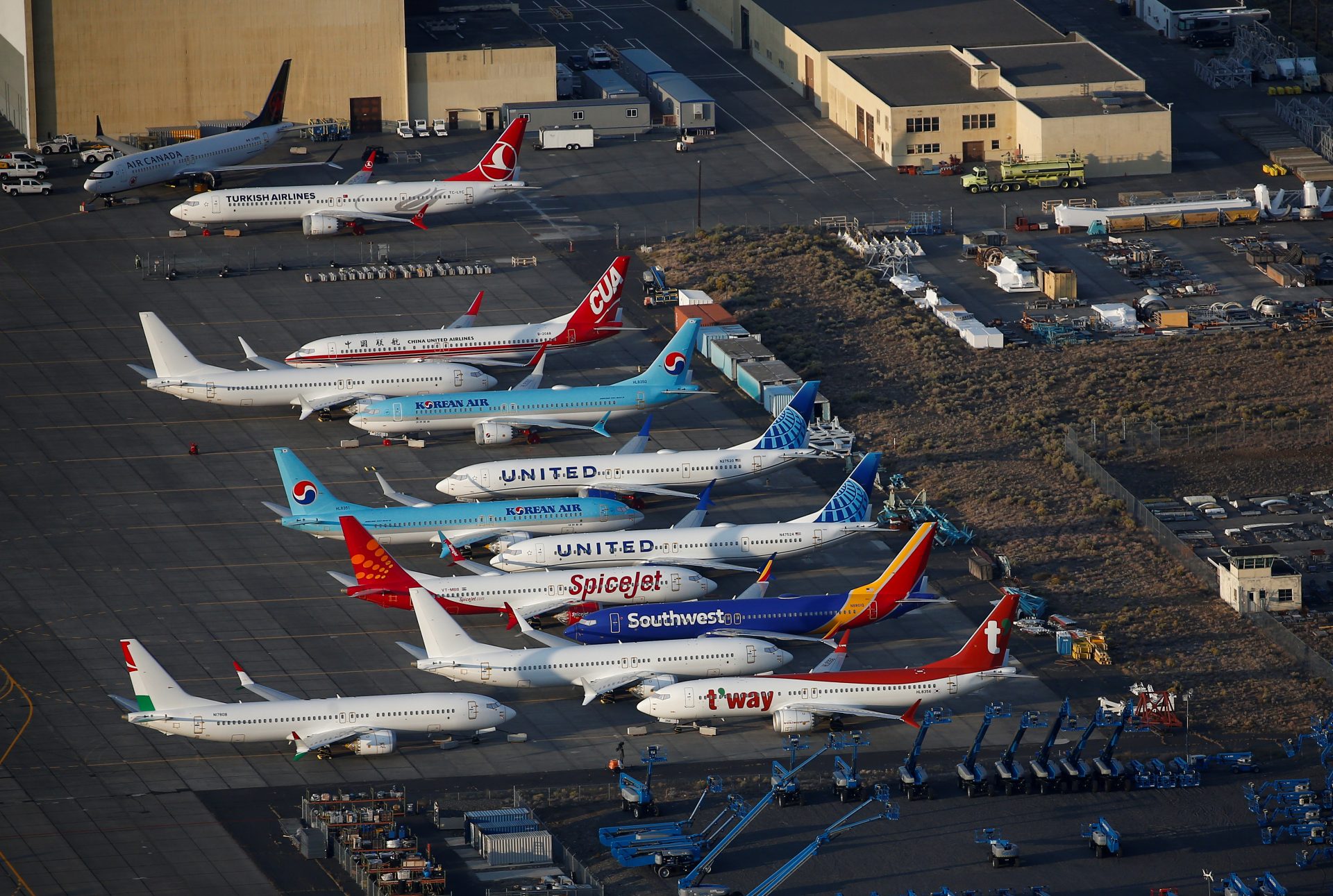
On Wednesday, the U.S. Federal Aviation Administration (FAA) approved the Boeing 737 MAX to operate commercial flights again (in the United States) after being grounded for 615 days.
The best-selling 737 jet was grounded in March 2019 after the FAA discovered new evidence of accident similarities between crashed Lion Air flight JT610 and Ethiopian Airlines flight ET302.
The FAA is requiring new pilot (simulator) training and software upgrades to deal with a stall-prevention system called MCAS, which in both crashes repeatedly and powerfully shoved down the jet’s nose as pilots struggled to regain control.
The process of approving the 737 MAX to operate commercial flights took longer than expected, almost one year longer. The fiasco cost Boeing more than $20 billion, many airlines and aircraft lessors cancelled orders.
The brand name “737 MAX” will have a negative connotation for a long time, Boeing considers changing that name in order to improve consumer (and passenger) confidence.
It’s now up to the other regulators to approve the airworthiness of the aircraft, European regulator EASA is hopeful that the aircraft will return into service in Europe by the end of this year.
The U.S. Federal Aviation Administration (FAA) today rescinded the order that halted commercial operations of Boeing 737-8s and 737-9s. The move will allow airlines that are under the FAA’s jurisdiction, including those in the U.S., to take the steps necessary to resume service and Boeing to begin making deliveries.
“We will never forget the lives lost in the two tragic accidents that led to the decision to suspend operations,” said David Calhoun, chief executive officer of The Boeing Company. “These events and the lessons we have learned as a result have reshaped our company and further focused our attention on our core values of safety, quality and integrity.”
Throughout the past 20 months, Boeing has worked closely with airlines, providing them with detailed recommendations regarding long-term storage and ensuring their input was part of the effort to safely return the aeroplanes to service.
An Airworthiness Directive issued by the FAA spells out the requirements that must be met before U.S. carriers can resume service, including installing software enhancements, completing wire separation modifications, conducting pilot training and accomplishing thorough de-preservation activities that will ensure the aeroplanes are ready for service.
“The FAA’s directive is an important milestone,” said Stan Deal, president and chief executive officer of Boeing Commercial Airplanes. “We will continue to work with regulators around the world and our customers to return the aeroplane back into service worldwide.”
In addition to changes made to the aeroplane and pilot training, Boeing has taken three important steps to strengthen its focus on safety and quality.
This post was published on 18 November 2020 13:44
Airbus expects the worldwide dedicated freighter fleet to grow from 2,360 aircraft in 2026 to…
American Airlines reported record third-quarter revenue of US$16.3 billion, up 19.3% year-on-year, but higher fuel…
Storm Austen disrupted air travel across Western Europe on Friday, 23 October, forcing cancellations in…
Romanian carrier seeks protection from creditors as total liabilities reach €25.4 million; flight operations face…
Jetstar and Qantas have banned an Australian social media personality from flying with their airlines…
The Flemish Government has invoked a conflict of interest against the proposed changes to flight…