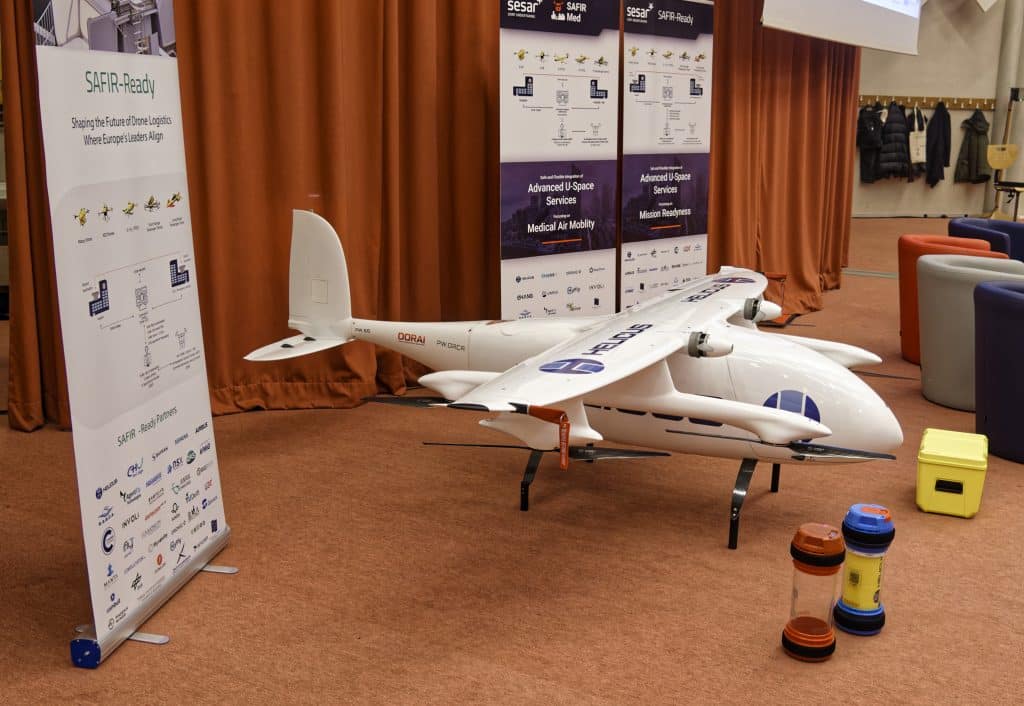
On Tuesday, March 31, the University Hospital of Liège (Centre Hospitalier Universitaire – CHU)https://www.chuliege.be/jcms/c_15605575/chu-de-liege hosted the conference for the European project SAFIR-Ready, a major program dedicated to the development of advanced aerial mobility and the management of drone air traffic in Europe.
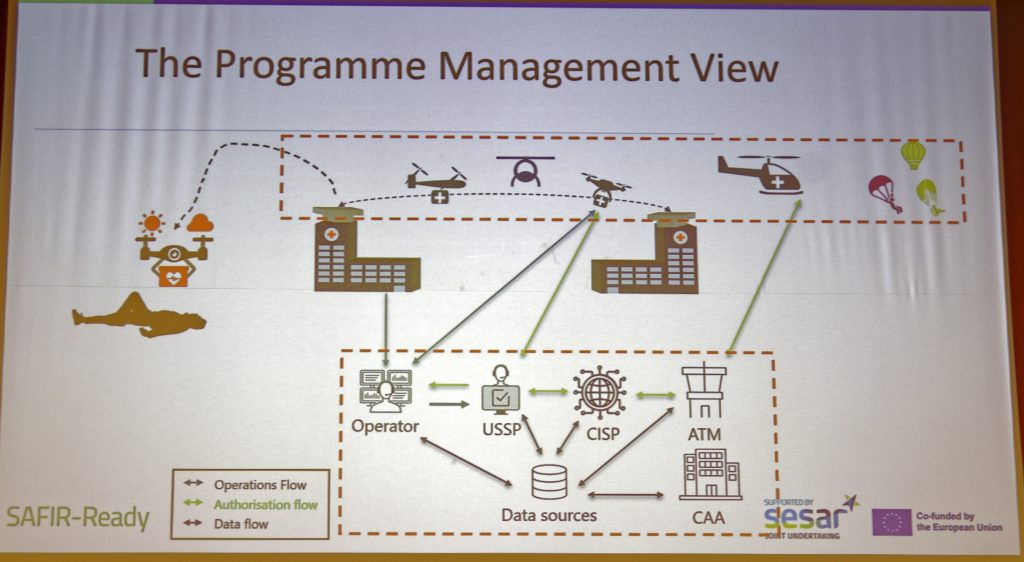
SAFIR-Ready brings together 37 partners across Europe and is positioned as the benchmark in the development of U-Space, the drone air traffic management ecosystem. Partners include Airbus, SABCA, Safran, and Helicus, to name just a few.
SAFIR-Ready is a major initiative funded by Horizon Europe, aiming to enable safe and integrated drone operations on a large scale. Coordinated by Helicus, this project unites institutions, academia, and industry across Europe. He is working on developing both the operational, regulatory, and technological frameworks necessary for the operation of Beyond Visual Line of Sight (BVLOS) drones.
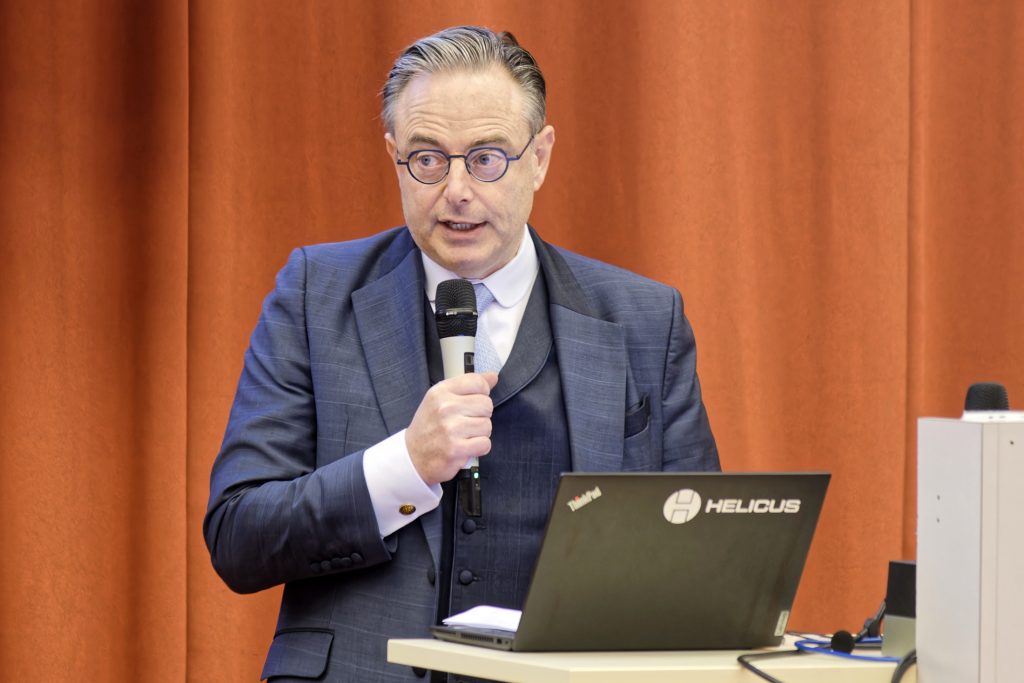
Prime Minister Bart De Wever was present in Liège: «It’s always a great pleasure to come to Liège. I’ve already held several conferences here. Drone logistics is at the heart of Europe’s priorities today. Sovereignty, as we’ve already discussed, technological progress, and resilience. Technological evolution is happening at a rapid pace. This evolution also has a dark side.
On the border in Ukraine and now in the Middle East, we see drones taking to the skies. But drones are not only about death and destruction. They can also give life. They can make our world a better place. Everyone in this room is helping to write a story about how this technology can be used to help people and save lives.
We have a logistical infrastructure, an ecosystem, and a very dense population that fosters cooperation between government, research, and industry.” Everyone who invests today in secure and socially beneficial applications is investing in the resilience of our systems, and SAFIR-Ready is a prime example. It represents cooperation across borders and sectors with a common goal. It is essential that the European Union delivers effective strategic and technological performance. Making the bold decisions we must make in the future is a major challenge. Because whoever controls technology controls the future.
Because innovation is the driving force behind progress and the economy. That is why it is all the more important to translate these developments into tangible successes, improved health, and greater mobility. Drones are a powerful tool for achieving this. We therefore have a responsibility to embed drone development within our society. By developing our own standards, harmonising regulations, and supporting innovation, we ensure that Europe is not dependent, but that our continent can, in one fell swoop, set its own course.
Governments, businesses, the medical sector, and institutions must work together to bring about standards. We combine innovation with the values of science. Today, we are working together for a resilient and responsible Europe. »
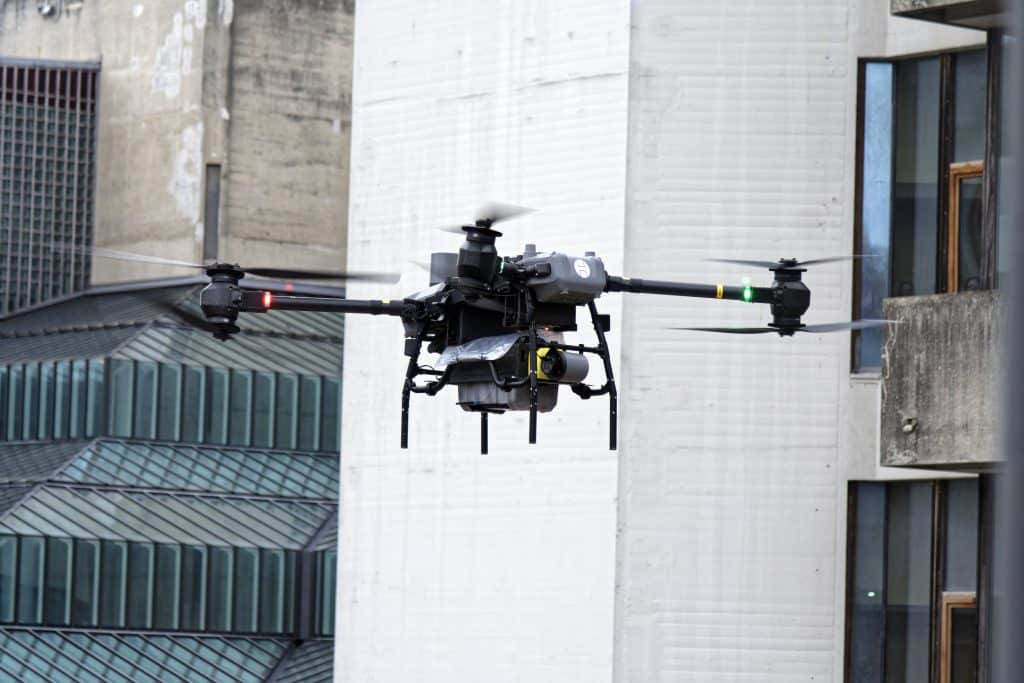
SAFIR-Ready aims to enable safe, reliable, and, above all, integrated BVLOS drone operations in the following areas:
– Healthcare
– Emergency response
– Crisis management
– Critical logistics
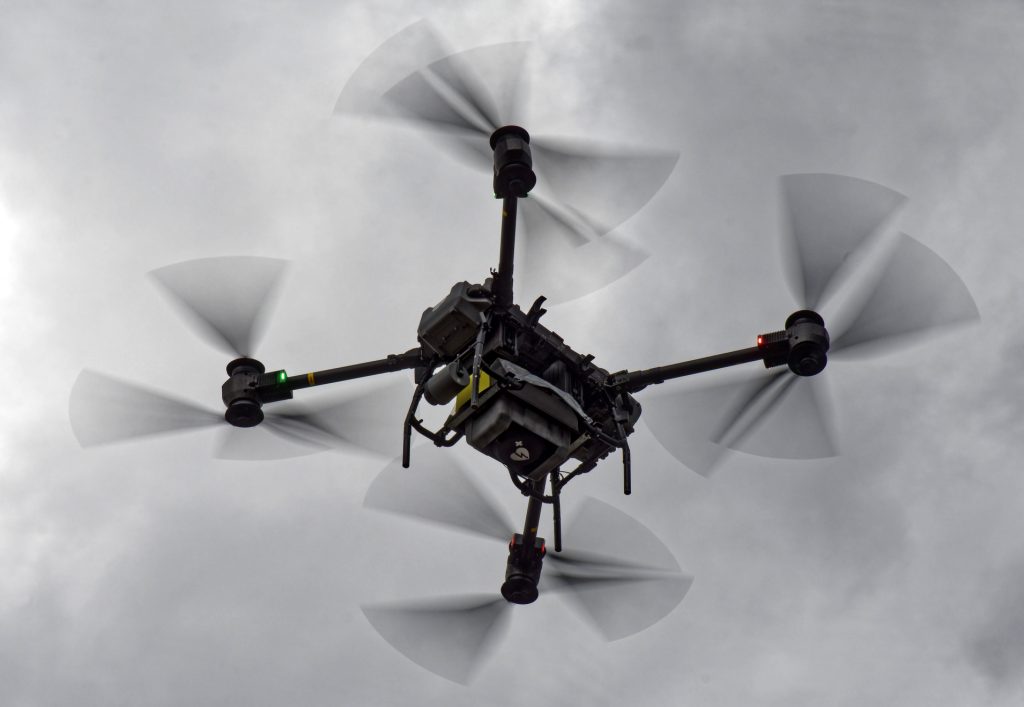
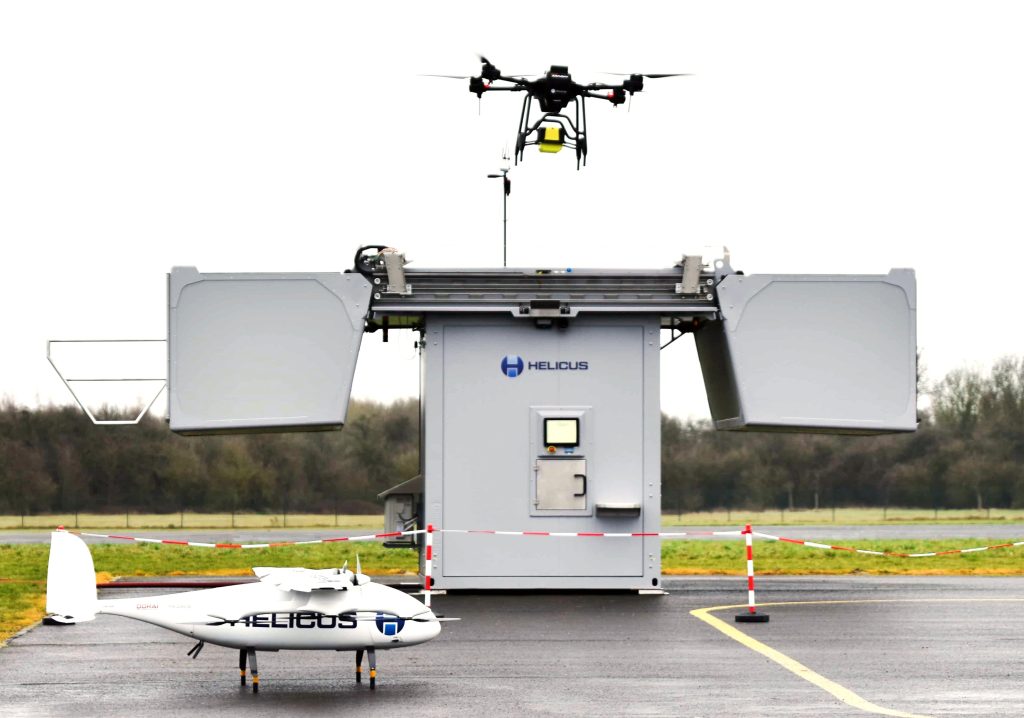
HELICUS https://helicus.com/is a European provider of drone logistics solutions and develops automated infrastructures aligned with the Drone Operator Requirements Aero Initiative (DORAI) standards. The company operates a fleet of 8 drones on inter-hospital and maritime routes in compliance with EASA requirements. These drones incorporate Detect & Avoid (DAA) technologies for safe operations. By hosting this leading conference, CHU Liège confirms its role as a major player in medical and technological innovation. Its participation in the SAFIR-Ready project demonstrates its commitment to testing innovative solutions in real-world operational conditions with the goal of improving patient outcomes. The project ultimately envisions the installation of a cargo drone on Tower 6 of the Liège University Hospital and its interconnection with existing hospital infrastructure and automated logistics operations.
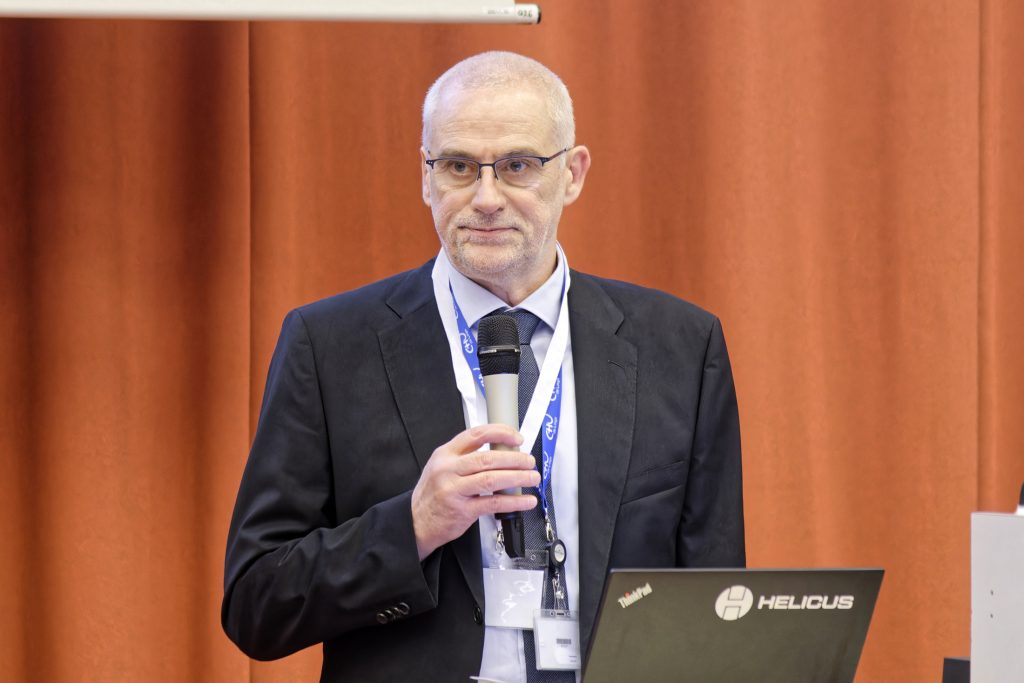
Mr. Marc de Paoli, CEO of the Liège University Hospital, stated: «When we talk about innovation in hospitals, we often think of cutting-edge technologies used in the operating room: advanced technical platforms, the digital revolution, sometimes enhanced by artificial intelligence, and direct patient care. However, the quality of care largely depends on a factor that is sometimes less visible, but absolutely crucial: logistics. In a hospital, there is no operation without sterilisation, no technical procedure without the transport and management of equipment.
A hospital is a very particular type of organisation. It faces all the management constraints of a business—organisational, strategic, financial, and human—with the added challenge of operating 24/7.” Providing all services across no fewer than 10 sites and continuously coordinating emergency activities is essential. The quality of its supply chain is crucial for maintaining optimal operations. In this context, sharing our technologies to develop innovative solutions offers numerous advantages. Reducing delays, mitigating mobility constraints, and optimising routes are achieved not by replacing existing systems, but by combining them so we can choose the most suitable option for each situation.
The hospital must meet transportation needs, whether planned or emergency, but in all cases, requiring secure and reliable unloading of biological samples, blood products, and automated external defibrillators. Therefore, with enthusiasm and the utmost vigilance regarding safety, regulation, and ethics, the University Hospital of Liège is preparing to integrate transportation technology into its operations. »
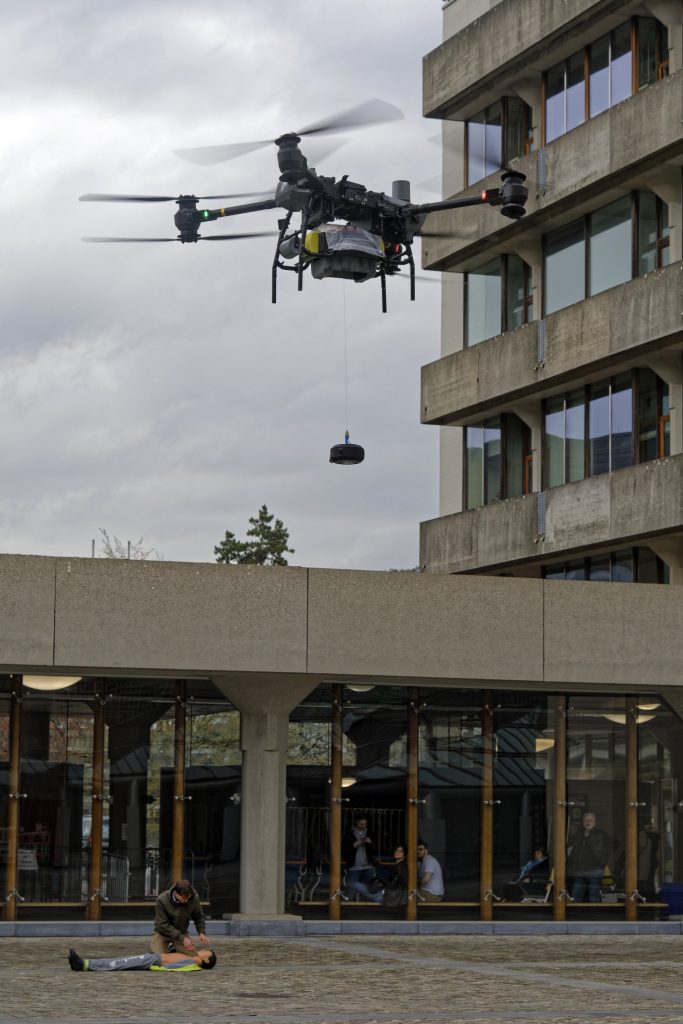
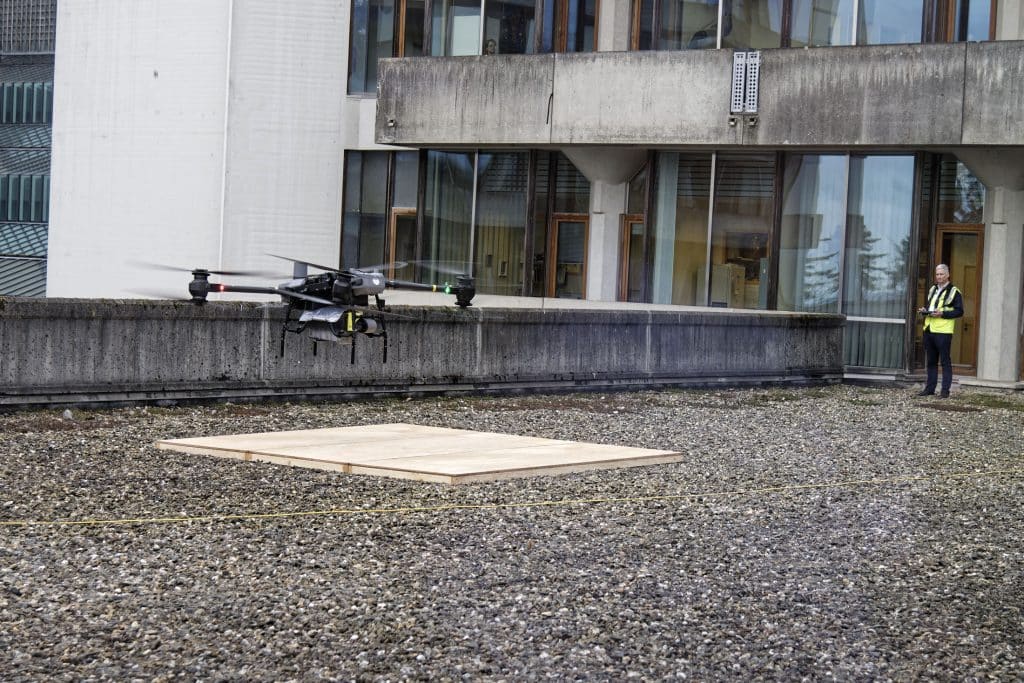
The conference at the University Hospital of Liège brought together numerous stakeholders for various presentations and discussions on this topic, which will undoubtedly play an increasingly important role in our societies. Demonstrations of drone flights delivering defibrillators to patients in distress impressed the audience and the hospital staff. However, many challenges remain, particularly with the integration of such systems into airspace that is already congested in certain areas.