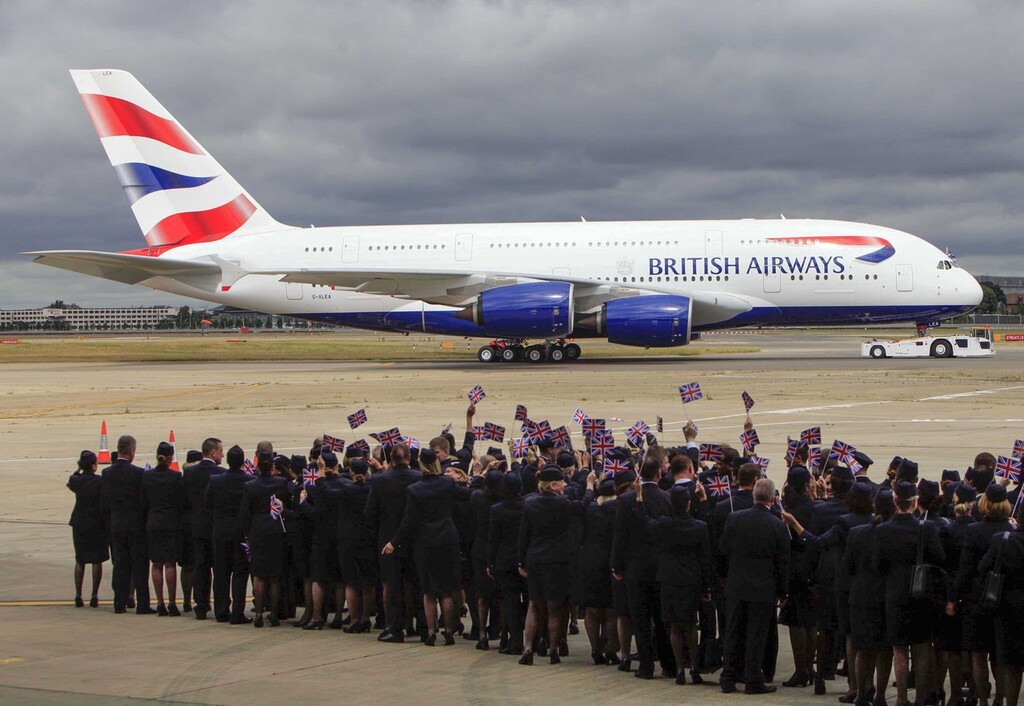


London Heathrow Airport is celebrating 80 years since its first passenger flight in 1946, charting a transformation from a basic post-war airfield into one of the world’s busiest international hubs.
Originally opened as “London Airport,” its early days featured makeshift tent terminals and just 63,000 annual passengers. Today, Heathrow handles over 80 million passengers a year and serves as a key gateway for global travel and trade.
Over the decades, the airport has witnessed historic moments—from Queen Elizabeth II’s return in 1952 and The Beatles’ fan-filled homecoming in 1964, to the arrival of landmark aircraft like the Boeing 747 and Concorde. It has also played a central role in national events, cultural milestones, and major infrastructure developments such as Terminal 5 and the Heathrow Express rail link.
More recently, Heathrow navigated the severe disruption of COVID-19 before rebounding to record passenger numbers, while current plans for a third runway highlight its future ambitions.
The anniversary underscores Heathrow’s evolution into a cornerstone of the UK economy and a critical global aviation hub, with a continued focus on growth and connectivity.