

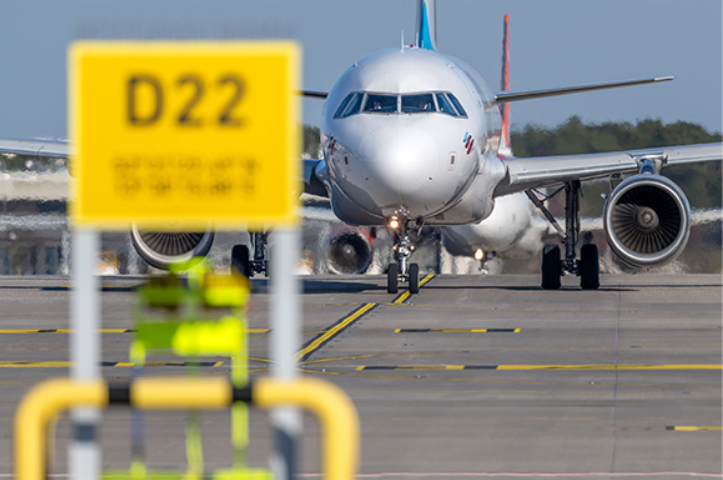
Berlin Brandenburg Airport (BER) will launch its 2025/2026 winter flight schedule on Sunday, 26 October, coinciding with the switch to wintertime. The new season features 70 airlines serving 130 destinations across 50 countries, offering a mix of city breaks, winter sports routes, and sun destinations. The top destinations remain Spain, the UK, Turkey, Italy, and Switzerland.
Key highlights and new routes
- Condor expands significantly, operating 35 weekly flights from BER, including three daily flights to Frankfurt (plus one extra midday service) and new daily flights to Dubai and Hurghada.
- Croatia Airlines introduces direct flights to Zagreb three times weekly (Tue, Fri, Sun) using the Airbus A220.
- easyJet adds Seville (Mon, Fri) and London Southend (from 7 Nov, Mon, Fri).
- Eurowings launches long-haul services to Abu Dhabi (3x weekly) and increases Dubai flights — daily to DXB and 4x weekly to DWC. New winter routes include Jeddah (Mon, Fri), Marsa Alam (Sun), and Kittilä, Finland (weekly from 31 Jan–21 Mar 2026).
- flynas resumes Jeddah (Tue, Thu, Sat).
- SKY express now flies Athens 4x weekly, offering extensive Greek domestic connections.
- Royal Jordanian increases Amman to 4x weekly with an added Sunday service.
- Transavia France adds Moroccan routes to Marrakech (Thu, Sun) and Agadir (Thu, Sat), while continuing flights to Nantes and Paris-Orly.
- Wizz Air launches Bucharest (up to 5x weekly) and boosts frequencies to Varna, Chisinau, and Tirana. Overall, Wizz will operate 33% more flights and offer 44% more seats with larger A321neo aircraft. Two new summer 2026 routes — Bratislava and Tuzla — have also been announced.
The expanded schedule strengthens BER’s role as a major European hub for both business and leisure travel, offering more connectivity and capacity than in previous winters.