

Antwerp Airport could see electric passenger aircraft enter service from 2030, with ASL Group and FlyingGroup outlining plans for two different types of battery-powered aircraft. The airport is also preparing charging infrastructure to support their introduction.
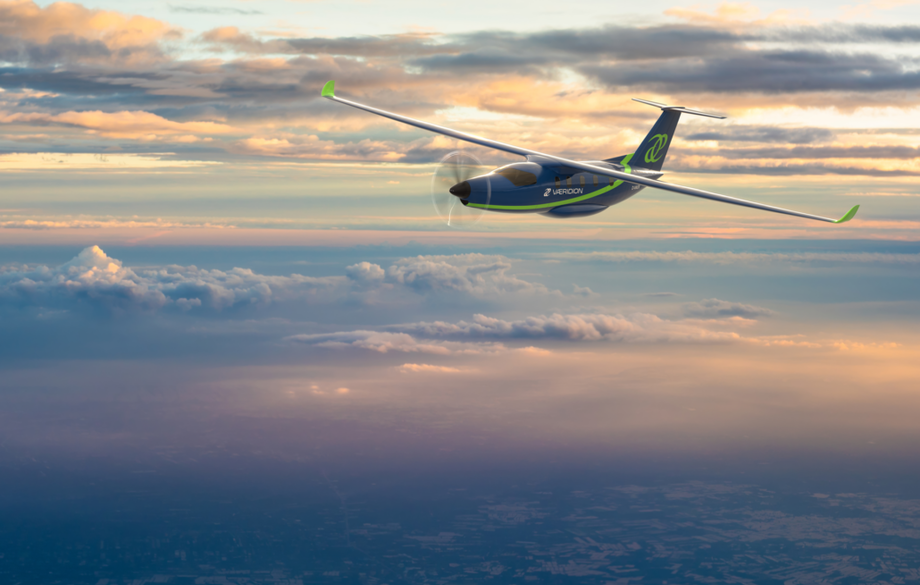
ASL Group chief executive Philippe Bodson said the company has ordered ten VÆRIDION Microliners, with the first delivery expected in 2030. The nine-passenger aircraft is being developed for regional flights, with a projected range of 400 kilometres at full passenger capacity, increasing to 550 kilometres with five passengers, according to the manufacturer.
Bodson identified London, Paris, Bremen and Groningen as potential destinations from Antwerp, although no routes have been announced. ASL initially intends to target business travellers and other customers seeking fast regional transport. Scheduled services could be considered, but would require further assessment.
The company already uses two small Pipistrel electric aircraft for pilot training in Antwerp. The Microliner would represent a move into passenger transport, subject to certification and successful development.
VÆRIDION commercial director Otto Verhoeff said regional airports in densely populated areas could benefit from quieter aircraft. The manufacturer projects a runway requirement of around 800 metres, within the capabilities of Antwerp’s approximately 1,500-metre runway. Its range, noise and operating-cost expectations remain development targets.
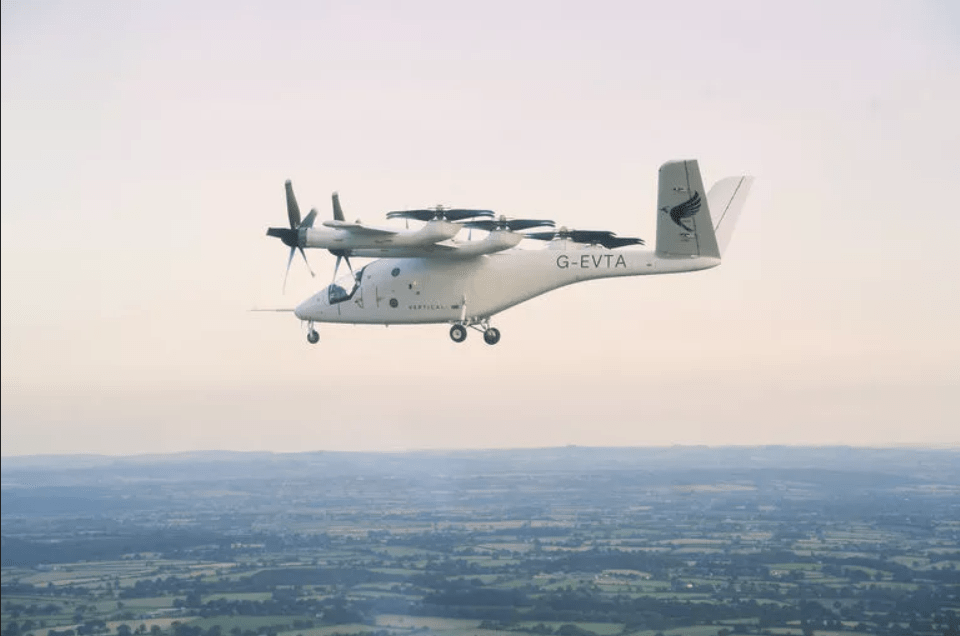
FlyingGroup, meanwhile, says it has ordered 25 aircraft from British manufacturer Vertical Aerospace and also anticipates operations from Antwerp from around 2030. These electric vertical take-off and landing aircraft would serve a different market, with a projected initial range of approximately 160 kilometres.
FlyingGroup chief executive Bernard Van Milders described their intended role as a quieter alternative to helicopters, including transporting business travellers to airports. He also pointed to the potential for longer-range hybrid aircraft at a later stage.
Antwerp Airport chief executive Nathan De Valck said the airport plans to install a solar farm and battery storage by 2030. Preparatory work during apron renovations over the next two years would include ducts for cables supplying aircraft charging points.
The plans would bring electric regional aircraft and vertical-lift services to the same airport, although entry into service depends on certification, deliveries and infrastructure readiness. Battery-electric flight would eliminate direct in-flight CO? emissions; its wider environmental impact would depend on electricity generation, battery production and other lifecycle factors.