

A scheduled Lisbon–Prague service (TP1240) operated by TAP Air Portugal came within seconds of a potential Controlled Flight Into Terrain (CFIT) event on 17 January, after descending well below its cleared altitude during approach to Prague.
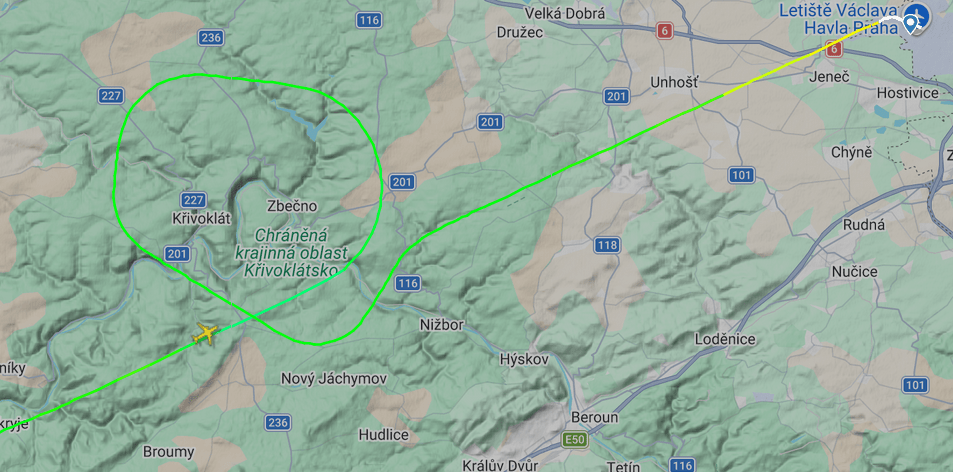
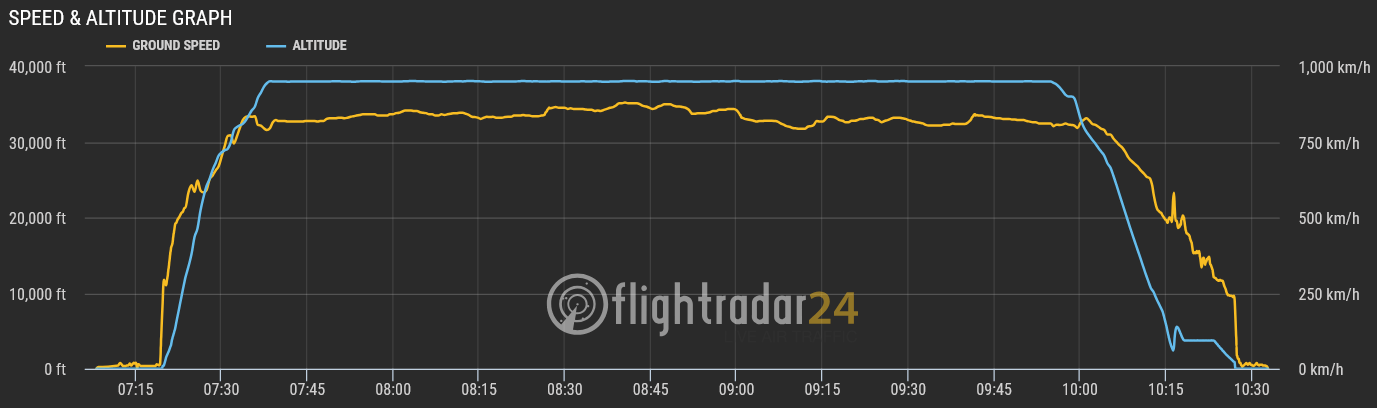
The Airbus A320neo with tail number CS-TVG was inbound to Václav Havel Airport Prague shortly before noon when Czech air navigation services detected a significant deviation from its assigned altitude of 4,000 feet (1,290 metres) above ground level.
Rapid Descent to 300 Metres AGL
According to Czech investigators, the aircraft was flying at approximately 590 km/h and had descended to around 300 metres (roughly 1,000 feet) above ground level near K?ivoklát Castle, about 30 kilometres west of Prague.
Flight inspector Josef Bejdák of the Czech Air Accidents Investigation Institute confirmed that radar systems detected the deviation and that the crew responded to air traffic control instructions. The event is being classified as a serious incident.
Weather conditions at the time were reported as poor, with dense fog and low cloud, increasing the operational risk during the approach phase.
GPWS Warning Averted Escalation
In the final moments of the descent, the aircraft’s Ground Proximity Warning System (GPWS) issued an alert, prompting the crew to initiate a steep climb. The A320neo subsequently turned near K?ivoklát, reduced speed and continued the approach safely into Prague.
Aviation experts cited by Czech media described the occurrence as one of the most serious approach deviations in the country in the past decade.
Pilot and university lecturer Ji?í Ho?ínka noted that descending below the minimum sector altitude of 3,600 feet (1,097 metres) constitutes a major procedural breach. He suggested possible contributory factors could include incorrect autopilot mode selection or interference from a false Instrument Landing System (ILS) signal.
However, he emphasised that standard operating procedures require crews to monitor vertical profile and ensure compliance with cleared altitudes, particularly in IMC conditions.
CFIT Profile Under Investigation
The event has been characterised as a classic CFIT scenario — where an airworthy aircraft, under pilot control, is inadvertently flown into proximity with terrain due to situational awareness breakdown.
Portuguese authorities have provided flight data and cockpit voice recorder information to Czech investigators. The data are currently being analysed and cross-referenced with ATC records to determine the precise chain of events.
Until the investigation is complete, the root cause — whether automation mismanagement, navigation signal anomaly, or crew monitoring lapse — remains undetermined.
The incident underscores the continuing importance of terrain awareness systems, disciplined vertical path management and strict adherence to minimum sector altitudes during non-visual approaches in degraded weather environments.