
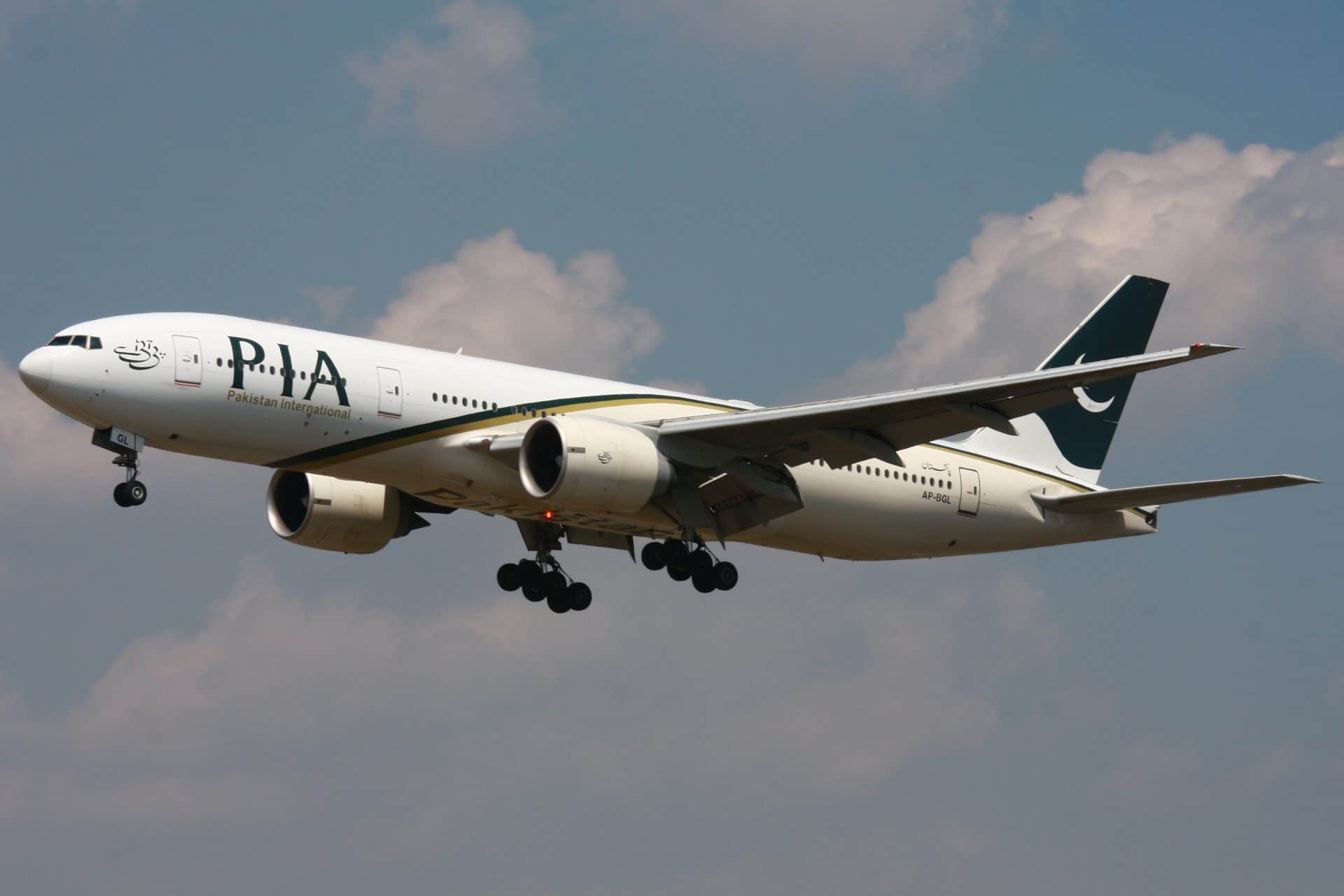
Pakistan’s government sold a 75% stake in Pakistan International Airlines (PIA) for $482 million to a private consortium led by financier Arif Habib to halt mounting losses and meet conditions tied to a $7 billion IMF bailout.
Once a flagship national carrier, PIA had become a heavily indebted state-owned enterprise, burdened with more than $2.3 billion in long-term liabilities, a shrinking market share, an ageing fleet, and years of operational mismanagement. Repeated privatisation efforts had failed until the government restructured the airline by carving out its debts, offering tax relief and policy guarantees, and staging a transparent, live-broadcast auction to attract credible investors.
The winning consortium committed to reinvesting about 92.5% of the purchase price back into PIA to revive operations, while the government retained a 25% stake. Officials argue this approach was aimed less at maximising sale proceeds than at stopping further fiscal drain and restoring the airline’s viability under private management.
The controversy stems from both the structure of the deal and the participants involved. Opposition parties claim the airline was effectively sold too cheaply, arguing that only a small portion of the bid flows directly to the state, while most funds benefit the airline now controlled by private owners. More sensitive still is the post-auction entry of Fauji Fertilizer Company, a military-linked conglomerate, into the consortium. Critics see this as extending the military’s economic influence and question whether PIA has truly moved out of state control or merely shifted from civilian to military-associated ownership. Supporters counter that the military-linked partner offers stability and investor confidence in Pakistan’s volatile policy environment.