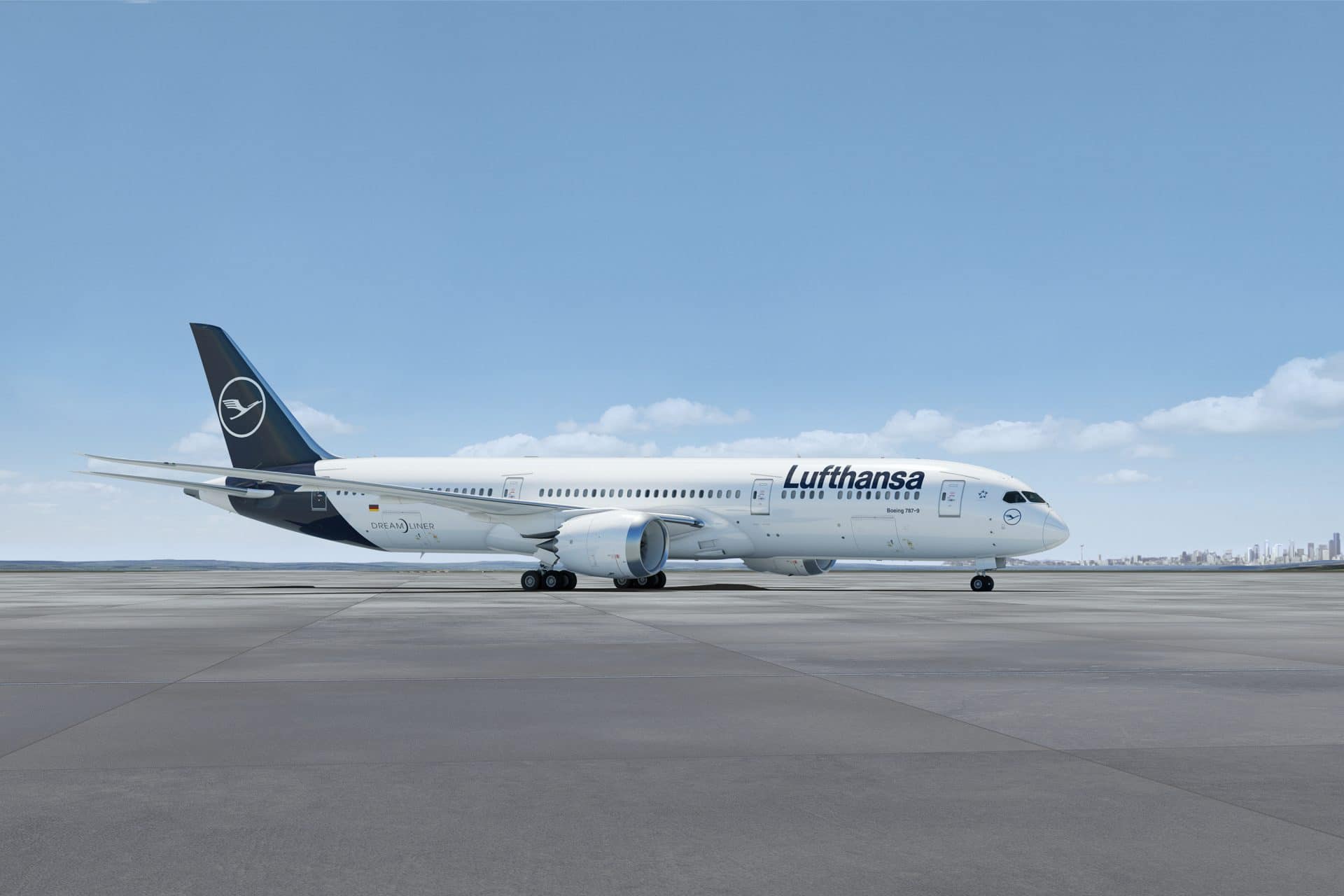
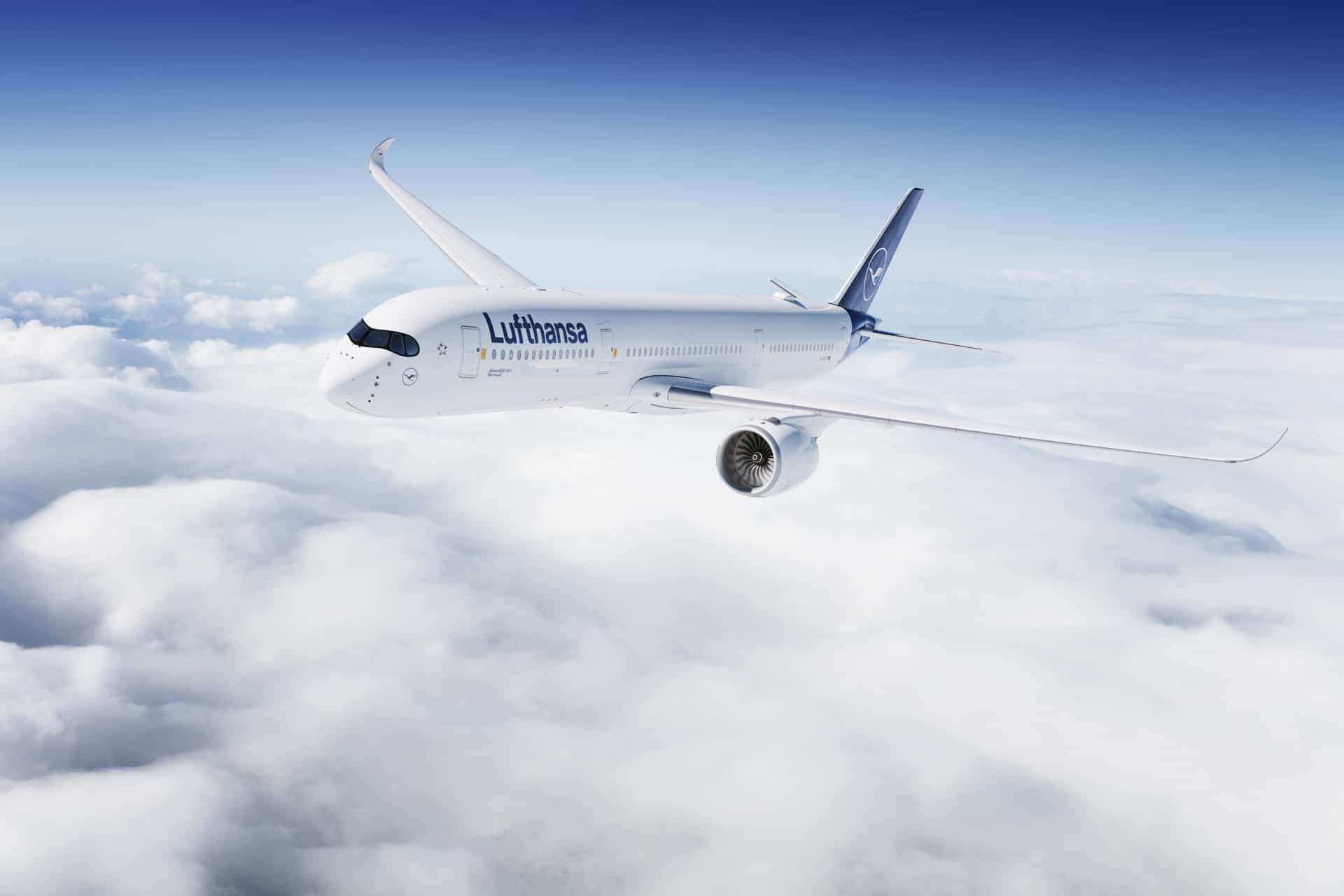
Lufthansa Group is consistently forging ahead with the modernisation of its long-haul fleet. In today’s meeting, based on the recommendation of the Executive Board, the Supervisory Board approved the purchase of a total of 40 state-of-the-art aircraft for the group’s airlines. The 20 Boeing 787-9 and 20 additional Airbus A350-900 planes (bringing the total to 45) will primarily be replacing four-engine aircraft. The new planes will be delivered between late 2022 and 2027.
The order has a list-price investment volume of 12 billion USD. As is usual with such orders, Lufthansa Group has negotiated a significant price reduction. The parties have agreed not to disclose the actual purchase price.
“By replacing four-engine planes with new models, we are laying a sustainable foundation for our future in the long run. In addition to the cost-effectiveness of the A350 and B787, the significantly lower CO2 emissions of this new generation of long-haul aircraft was also a decisive factor in our investment decision. Our responsibility for the environment is becoming more and more important as a criterion for our decisions,” says Carsten Spohr, CEO and Chairman of Lufthansa Group.
The decision regarding which airline will deploy the aircraft at which hub will be made at a later date.
The investment in new technology, efficiency and passenger comfort is a continuation of the ongoing fleet modernisation of the group’s airlines. The airlines of the Lufthansa Group currently operate a long-haul fleet of 199 aircraft (as of December 2018), including twelve state-of-the-art Airbus A350-900 aircraft. Beginning in 2020, Lufthansa will be introducing the new Boeing 777-9.
Investment in modern, fuel-efficient and low-noise aircraft
With the Airbus A350-900, the Boeing 777-9 and the Boeing 787-9, Lufthansa Group will own the most fuel-efficient long-haul aircraft of their class in terms of kerosene consumption per passenger and 100 kilometres flown. This order highlights the company’s desire to invest in cutting-edge technology in the interest of the environment. On average, the new aircraft will only consume around 2.9 litres of kerosene per passenger and 100 kilometres flown. That is 25% below what is used by predecessor aircraft, which will likewise have a positive impact on the CO2 footprint.
The Boeing 787-9 and Airbus A350-900 aircraft that have been ordered will primarily be replacing four-engine aircraft. By the middle of the next decade, the entire long-haul fleet will have been modernised. The possible fuel savings alone add up to 500,000 metric tons per year. This is equivalent to a CO2 reduction of 1.5 million metric tons.
A consistent focus on cost
With the new, more economical aircraft, the operating cost compared to the earlier models will sink by around 20 percent. In addition to this, Lufthansa Group will be significantly reducing the diversification and complexity of its fleet over the next few years and taking seven aircraft types out of service, which will reduce cost and complexity for maintenance and the supply of replacement parts, among other things.
After the long-haul aircraft rollover, the company will be offering its customers one of the world’s most modern fleets. This will also involve a significant increase in comfort and reliability.
Sale of six Airbus A380 aircraft
In today’s session, the Lufthansa Group Executive Board also informed the Supervisory Board of the sale of six of its 14 Airbus A380 planes to Airbus. The aircraft will be leaving Lufthansa in 2022 and 2023. The parties have agreed not to disclose the purchasing price. The transaction will not affect the group’s earnings performance.
Lufthansa continuously monitors the profitability of its worldwide route network. As a consequence, the group is reducing the size of its Airbus A380 fleet from 14 aircraft to eight for economic reasons. The structure of the network and the long-haul fleet, fundamentally optimised according to strategic aspects, will give the company more flexibility and at the same time increase its efficiency and competitiveness. This will of course also benefit Lufthansa’s customers.
This post was published on 13 March 2019 14:03
Qantas cancelled its Rome–Perth service on Saturday after passengers on the preceding flight from Perth…
Boeing delivered 161 commercial aircraft in the third quarter of 2026, bringing its January–September total…
Frankfurt Airport handled 6.1 million passengers in September 2026, up 1.6% year on year, supported…
Cirium forecasts around 43,000 commercial passenger and freighter aircraft deliveries between 2026 and 2045, worth…
ICAO has joined the Supporting Alliance for CORSIA EEU Supply, strengthening efforts to increase the…
Nuremberg Airport temporarily suspended operations on Tuesday, 13 October, after an emergency alert involving a…