

easyJet has announced a major cabin upgrade, introducing next-generation lightweight seats that will improve both operational efficiency and passenger comfort across its future fleet.
Next-Generation Seating Innovation
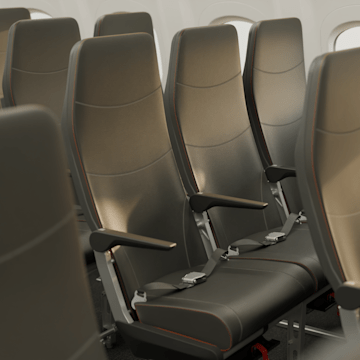
- New Kestrel seats from Mirus Aircraft Seating
- Over 20% lighter than current seats
- Up to 2 inches additional legroom without reducing seat density
- Pre-reclined ergonomic design for improved comfort
These seats will be installed on new deliveries of Airbus A320neo and Airbus A321neo aircraft starting in 2028, covering a total of 237 aircraft on order.
Efficiency and Environmental Impact
- Weight reduction of up to 500 kg per aircraft
- Annual savings of ~12,900 tonnes of fuel
- Equivalent to over 40,000 tonnes of CO? reduction per year
- Seats are ~98% recyclable with low maintenance requirements
This initiative is part of easyJet’s broader strategy to reduce emissions through incremental engineering improvements.
Broader Efficiency Strategy
Beyond seating, easyJet is pursuing multiple measures to lower its environmental footprint:
- Accelerated transition to the NEO fleet (?13% more efficient, 50% quieter)
- Sharklet wingtip upgrades to reduce drag
- Lighter aircraft paint and digitised flight manuals
- Single-engine taxiing and optimised fuel loading
- Reduced use of onboard auxiliary power units (APU)
- Advanced navigation tech like FANS-C for more efficient routing
Bottom Line
easyJet’s new seat program reflects a “marginal gains” strategy—combining small technical improvements to achieve significant cost savings and emissions reductions—while simultaneously enhancing the onboard passenger experience.